Traffic Owl
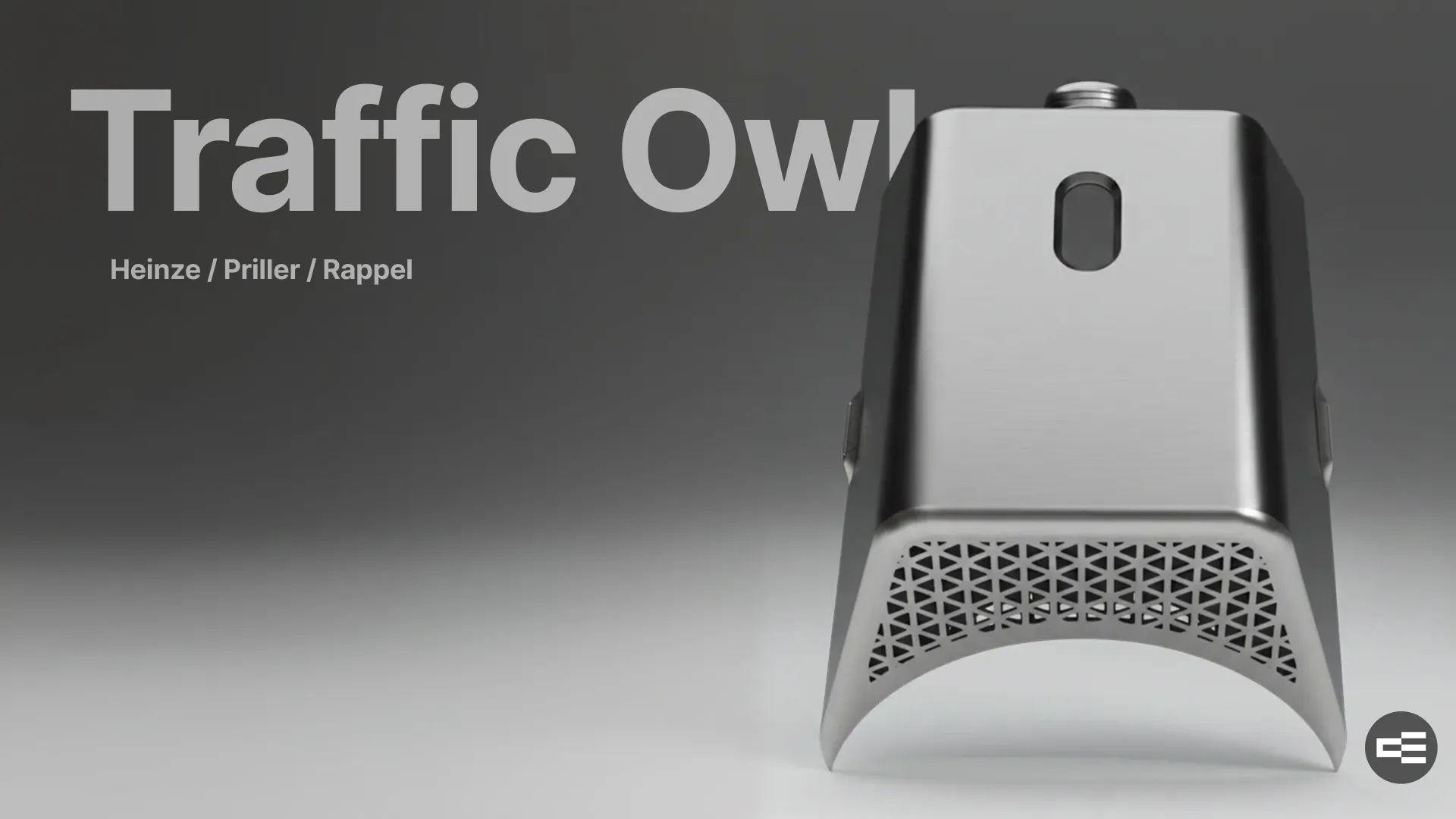
AI-supported traffic light system for pedestrian crossings
Overview
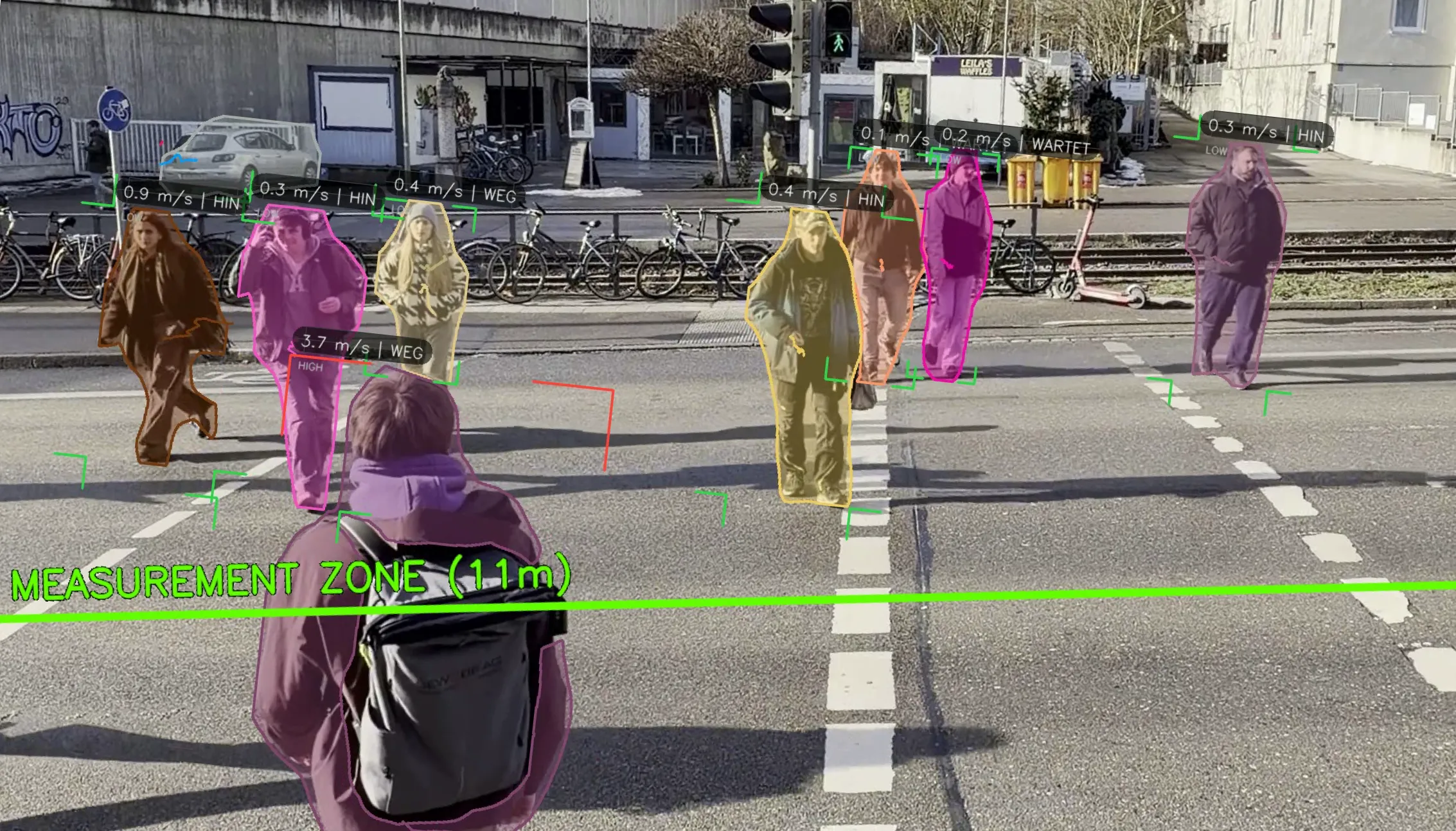
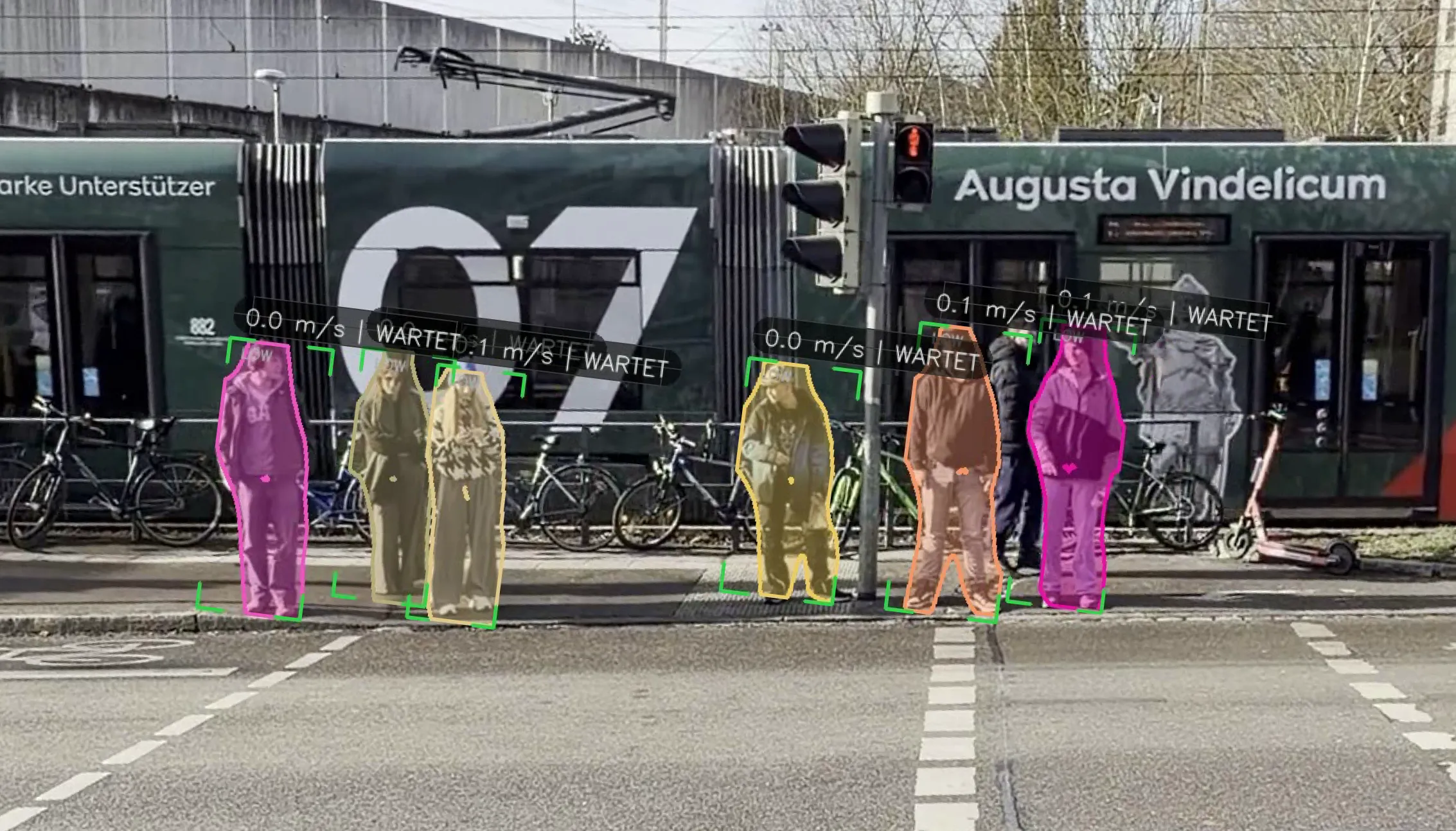
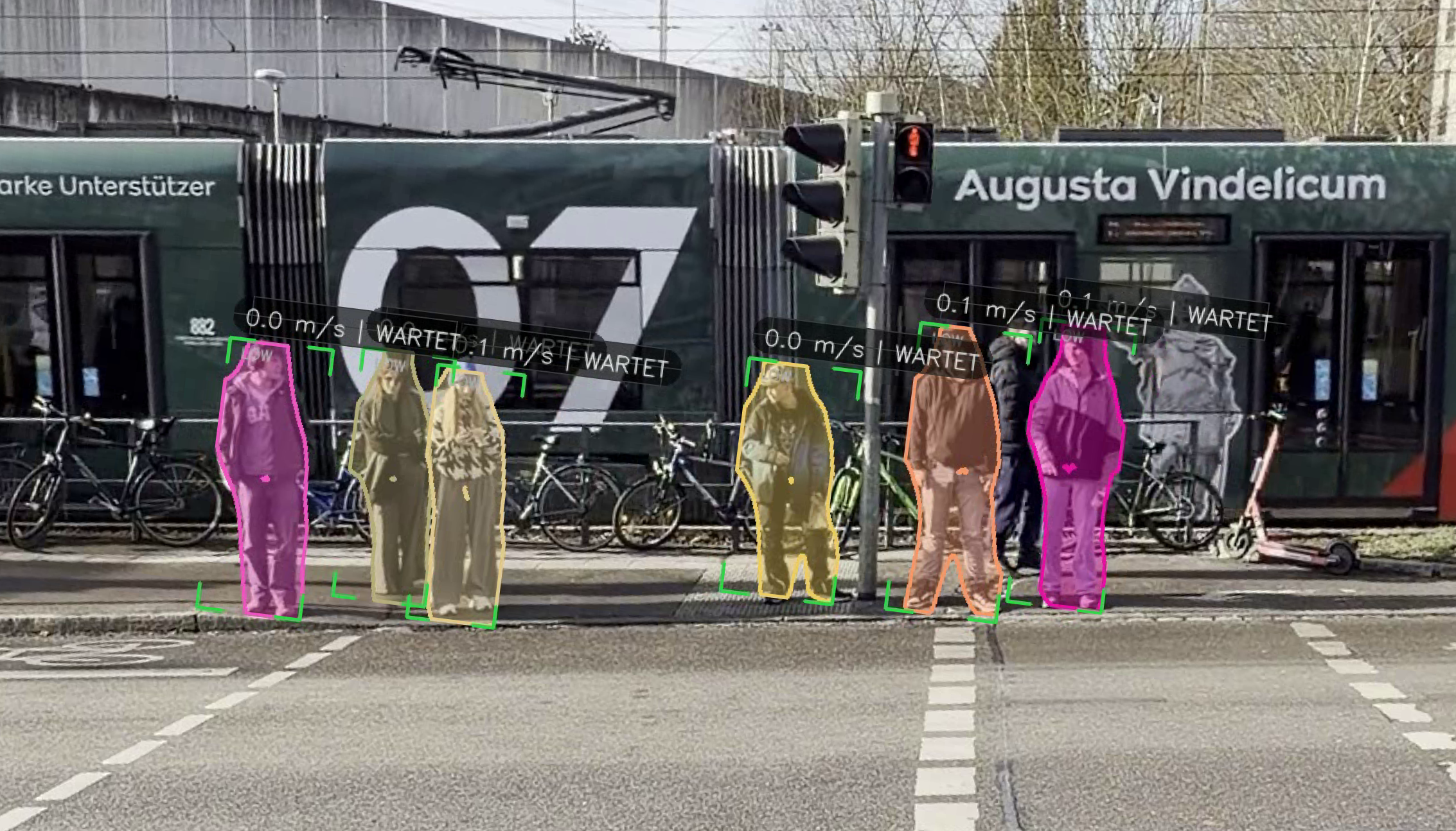
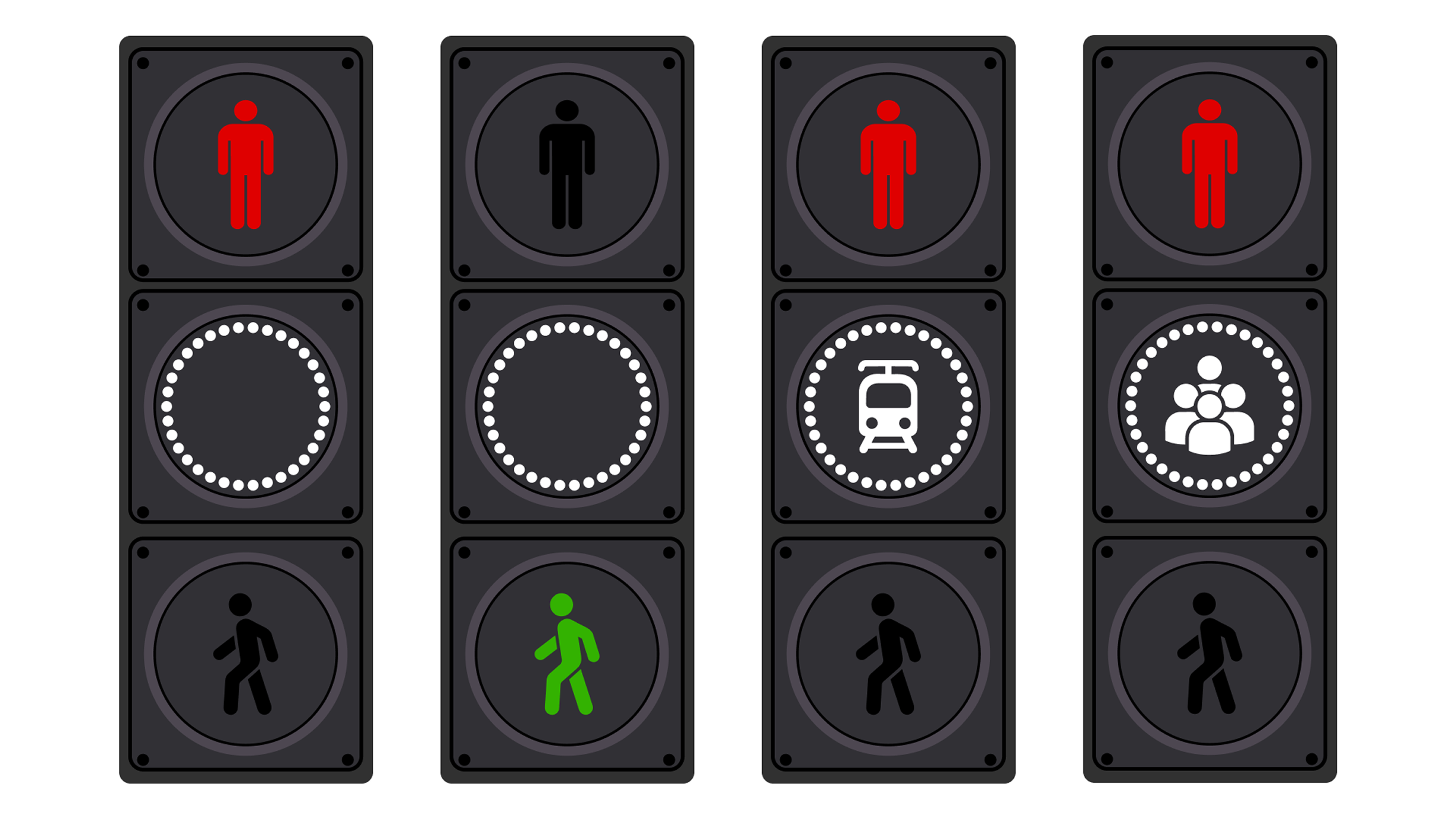
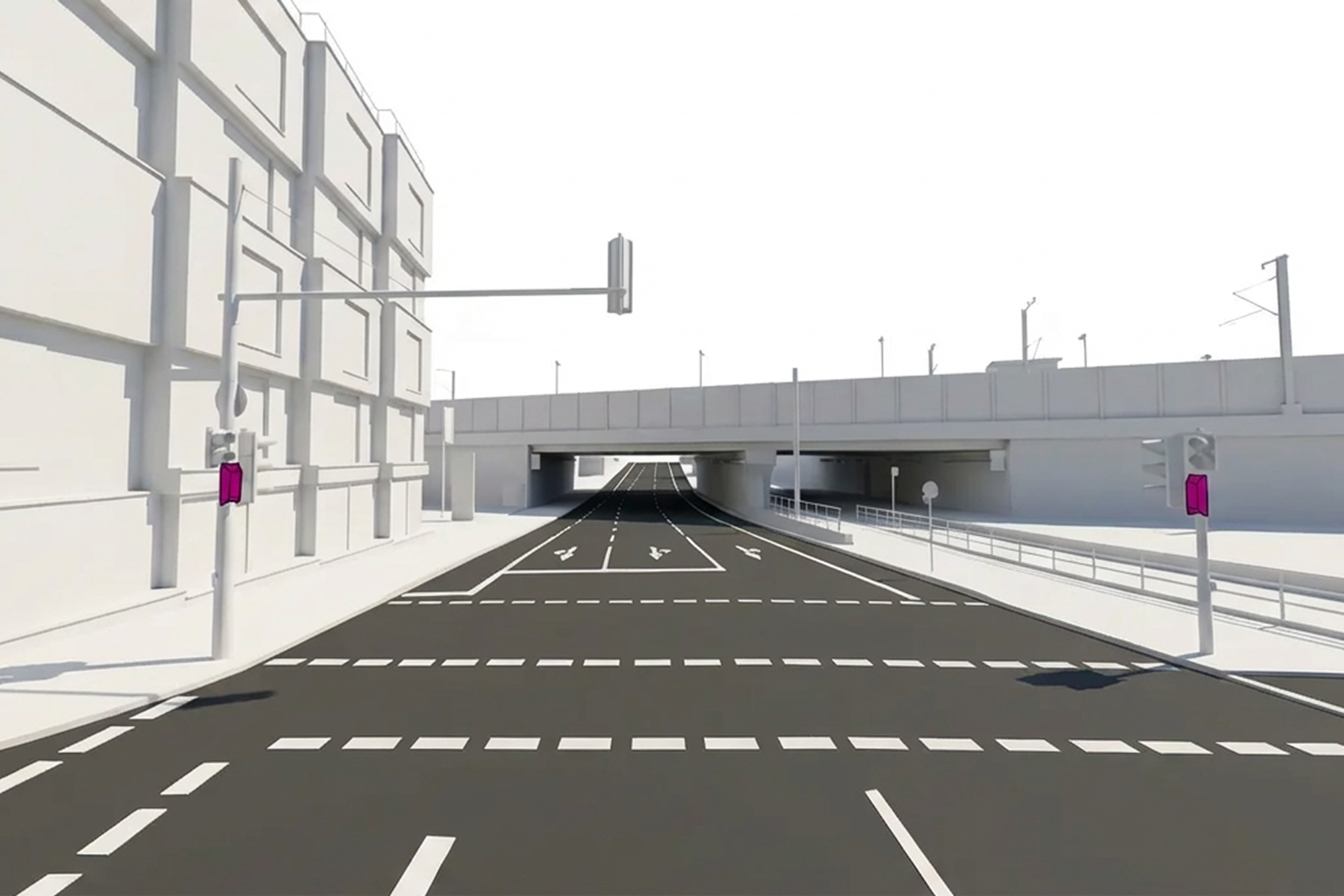
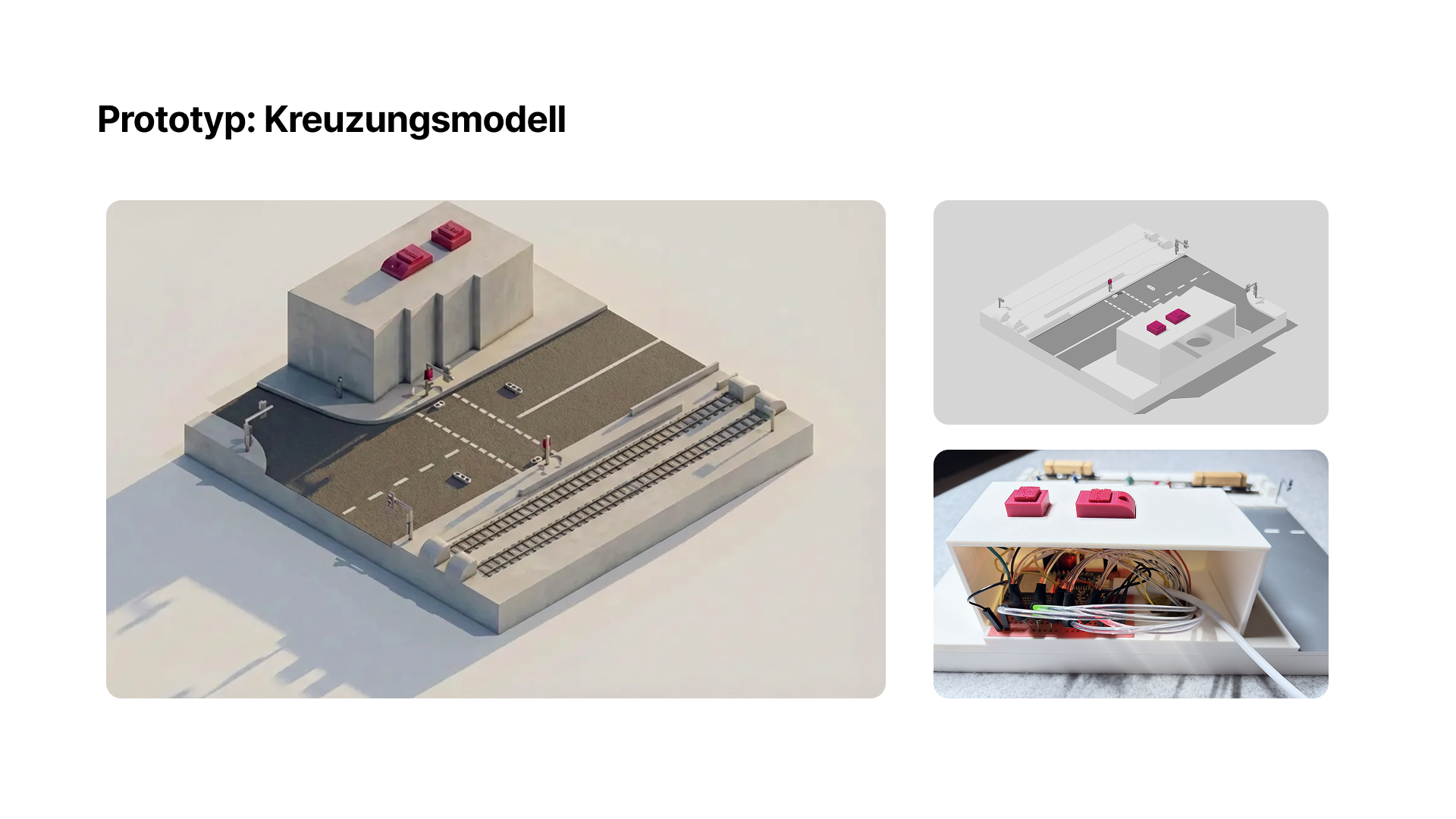
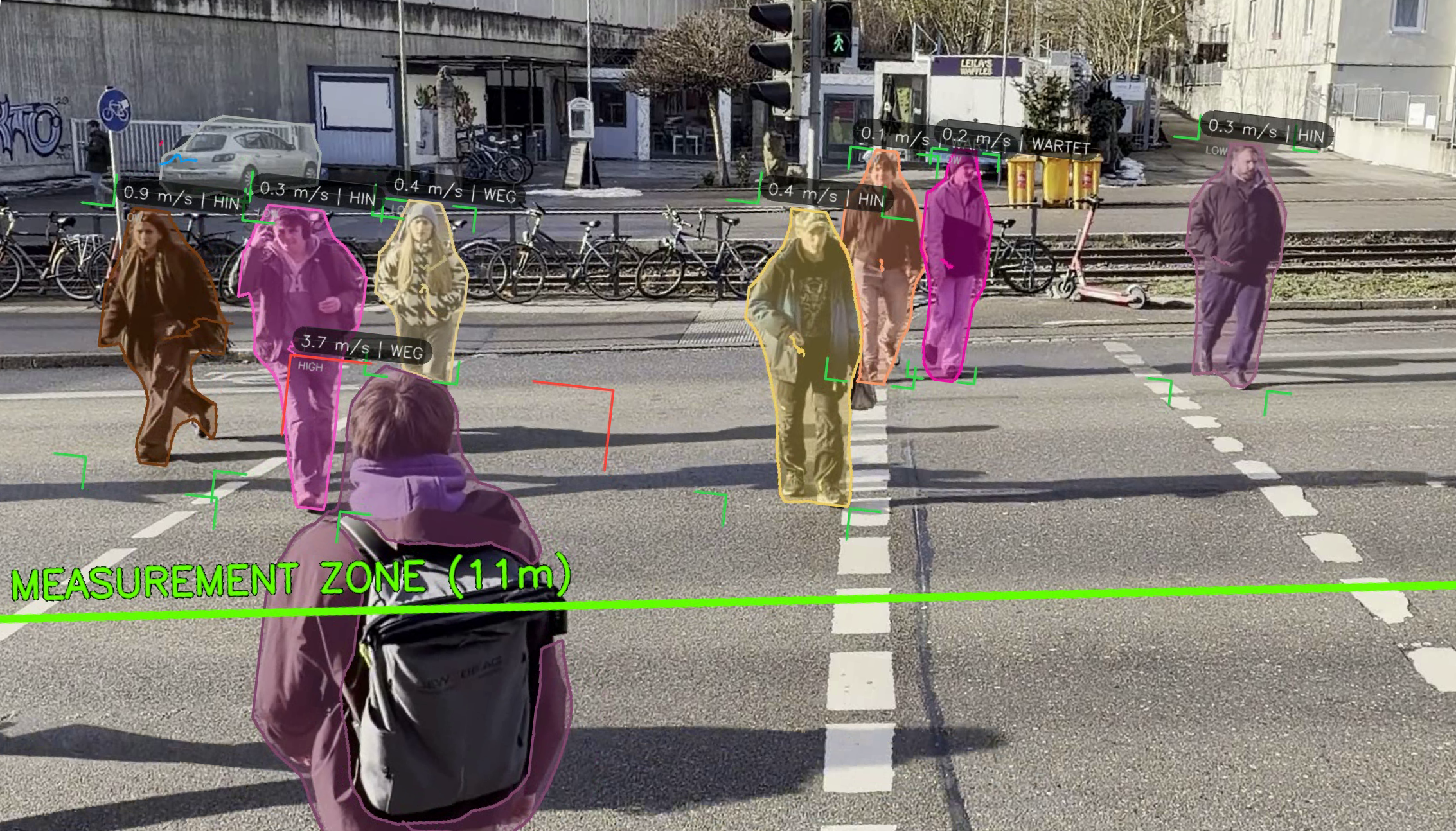
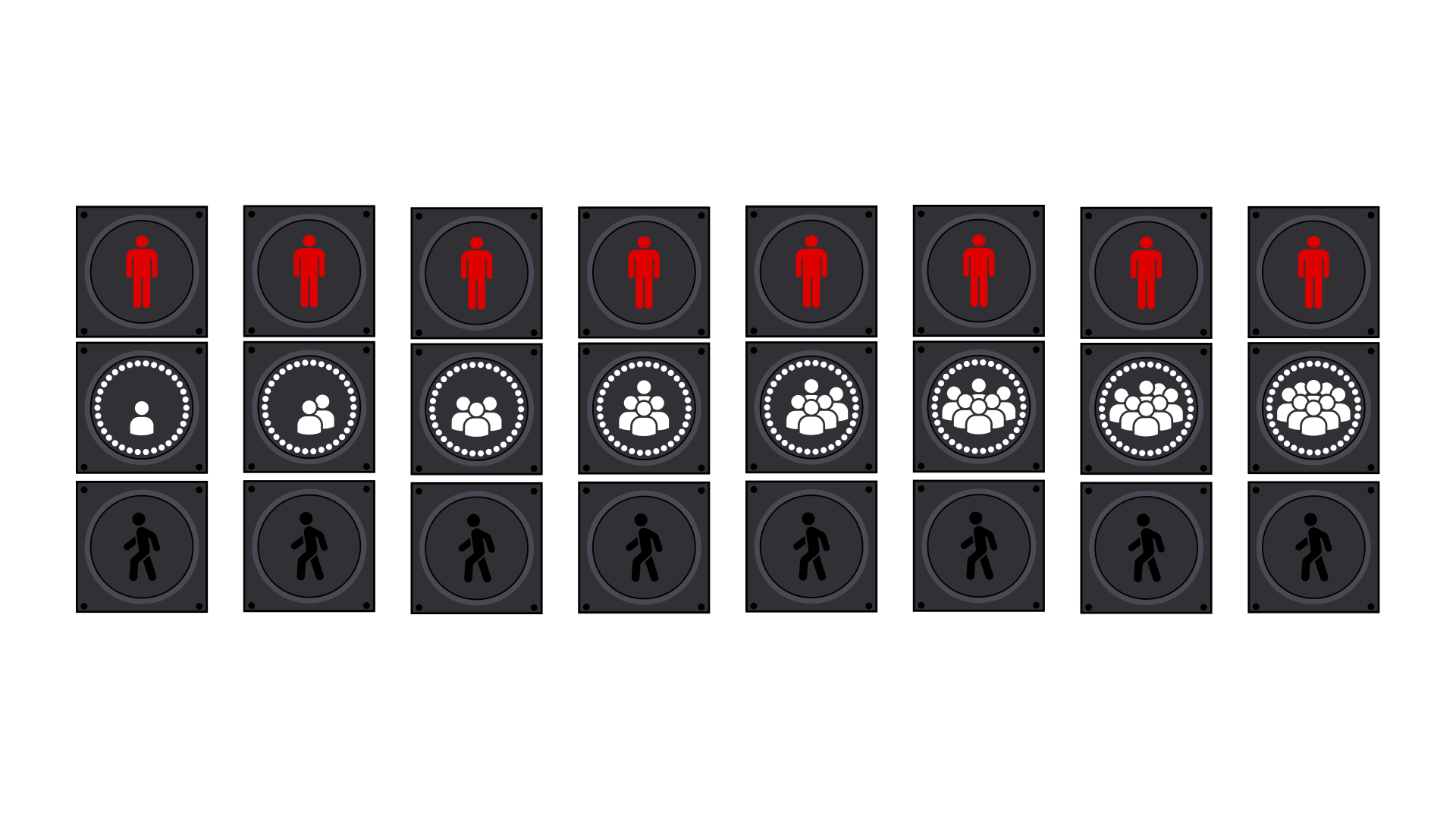
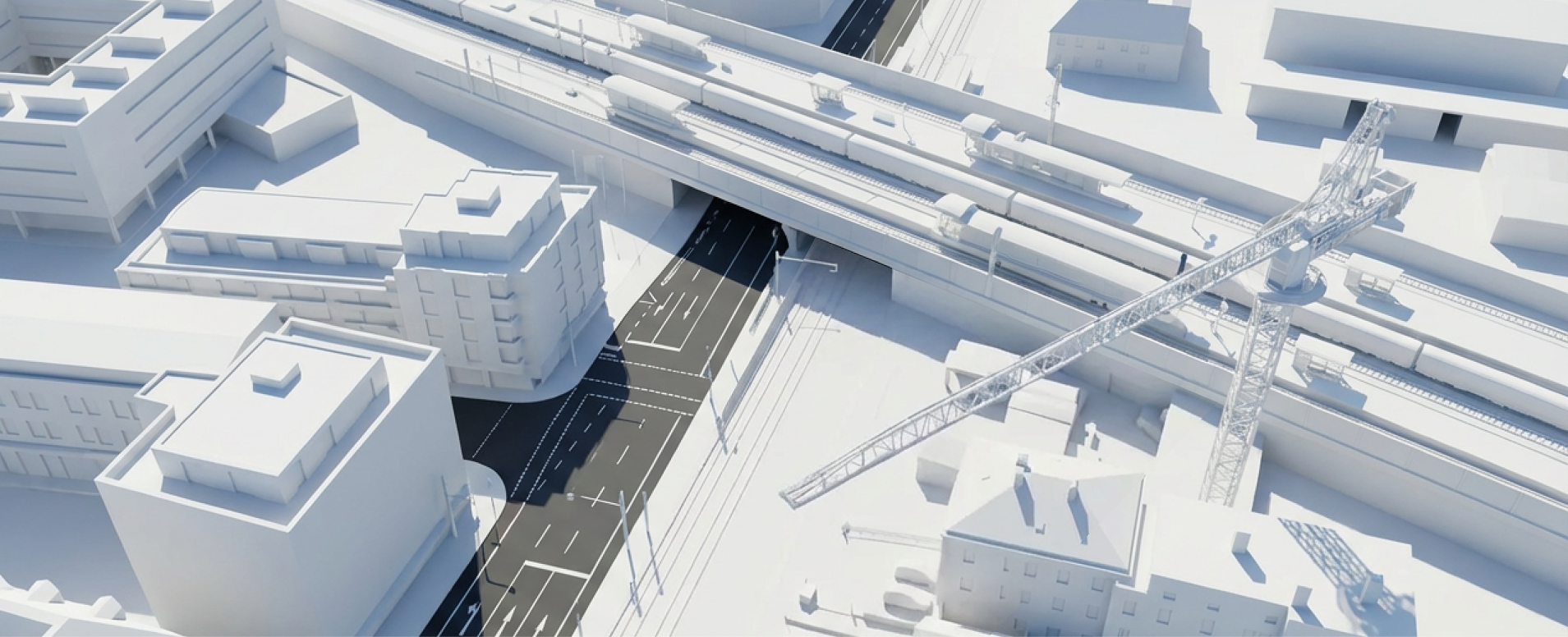
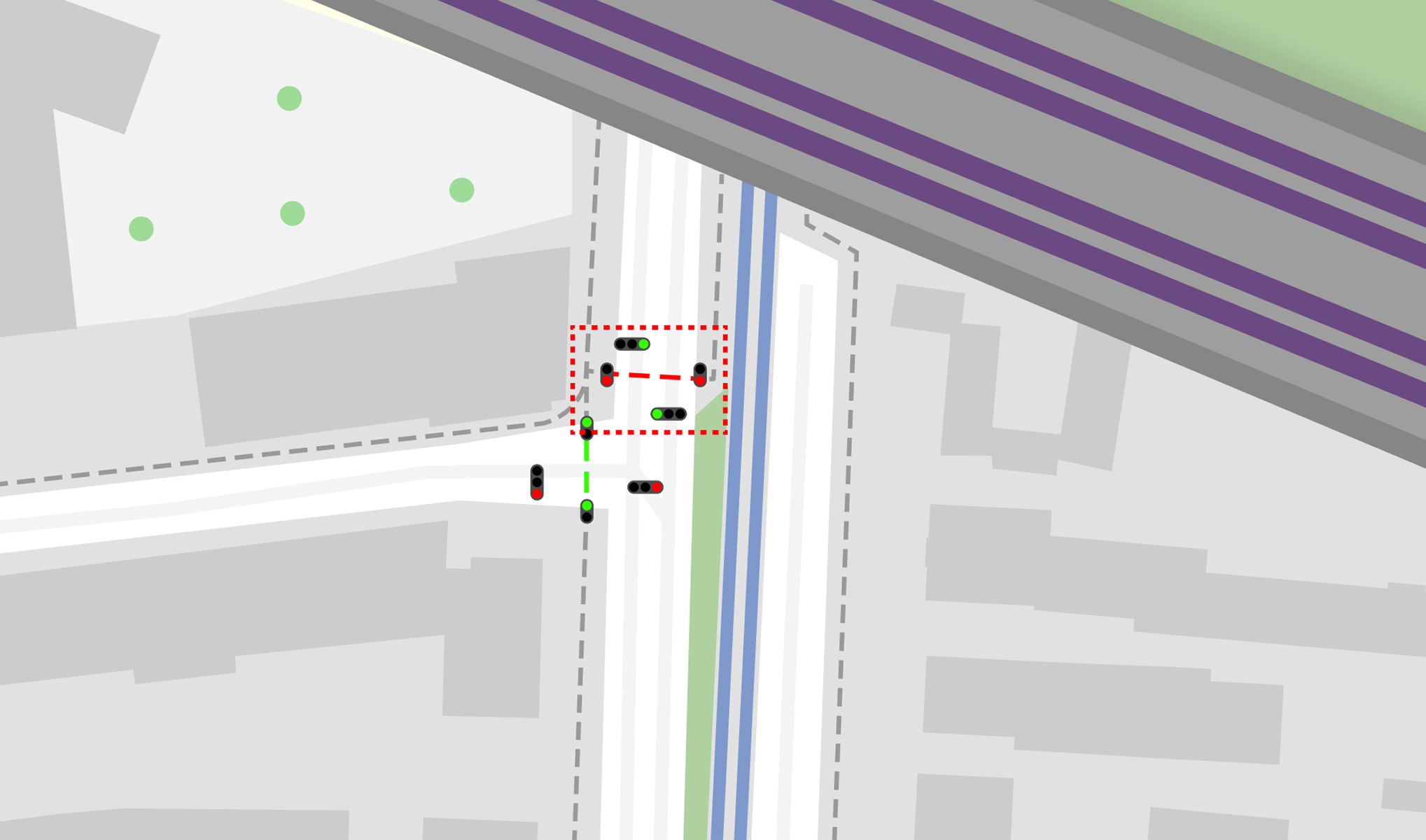
Traffic Owl is a camera-based, adaptive traffic control system that responds to real-time road events using object detection and segmentation. Developed in collaboration with Yunex Traffic as part of a student program, the project aims to reduce waiting times and dynamically coordinate pedestrian, car, and tram traffic..
Challenge
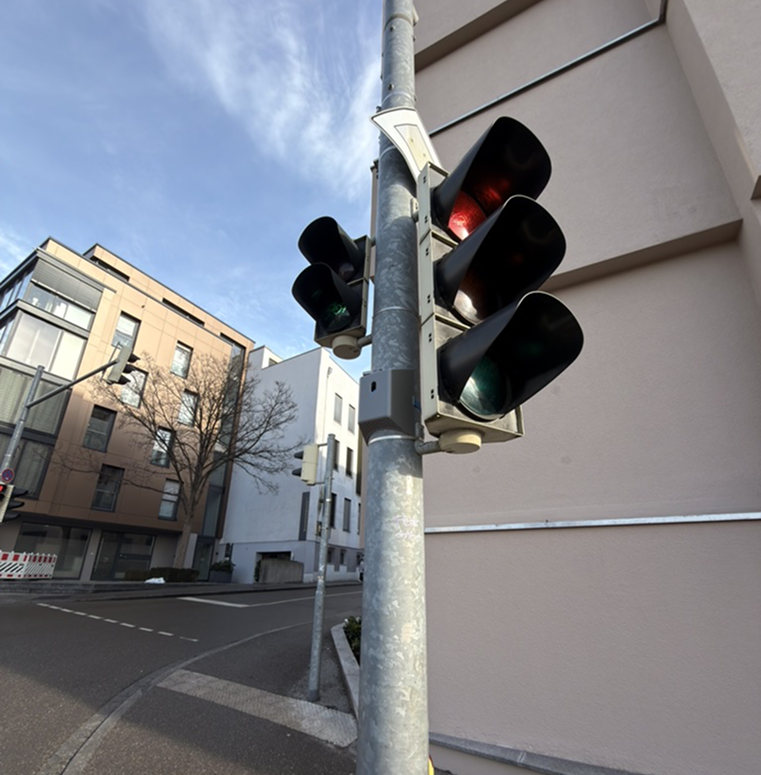
Fixed traffic light cycles often conflict with real-world dynamics: large groups of pedestrians arrive simultaneously, waiting times become unnecessarily long, and unsafe crossing behavior can occur — especially at tram interchanges.
Concept & Implementation
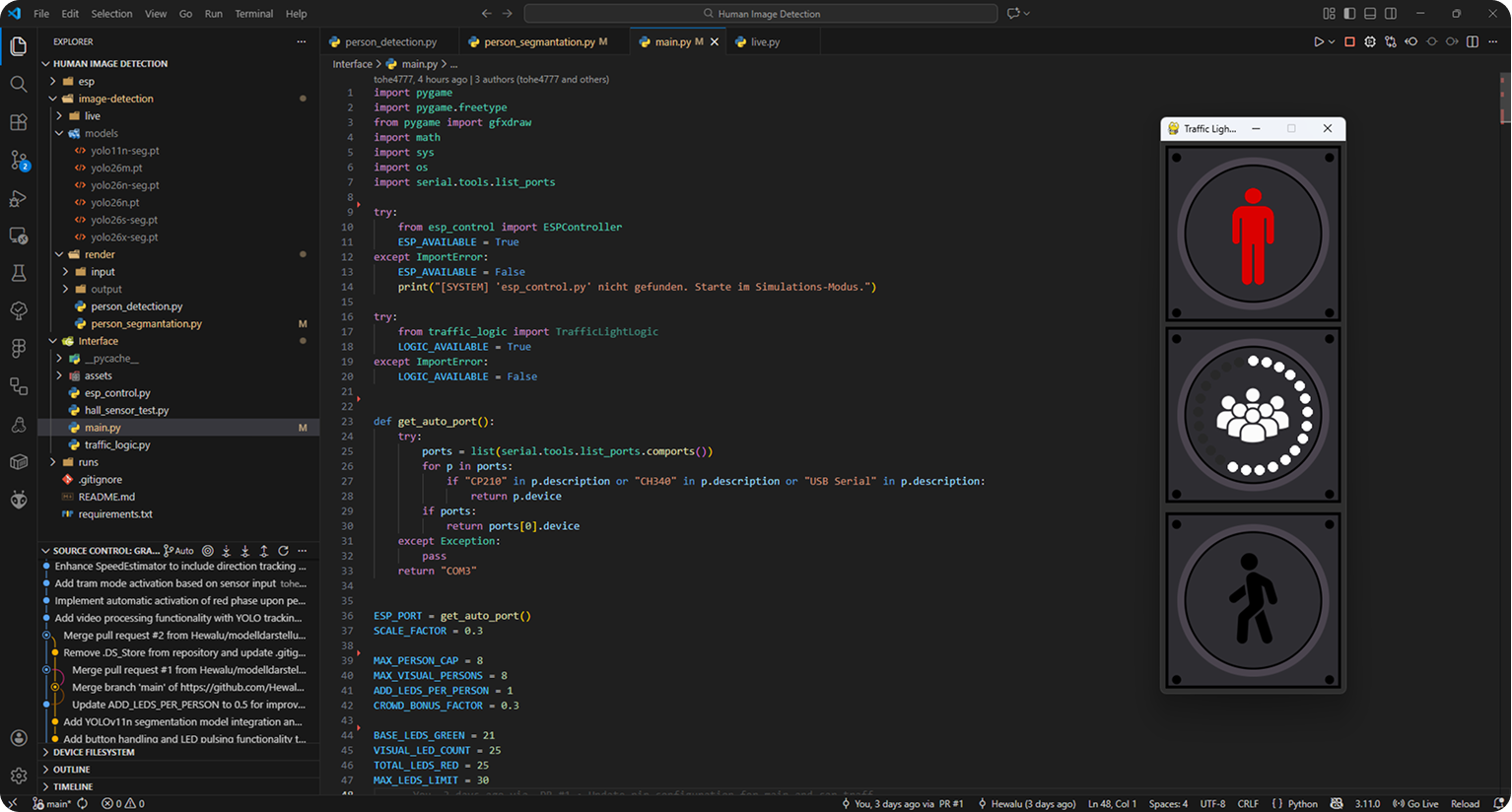
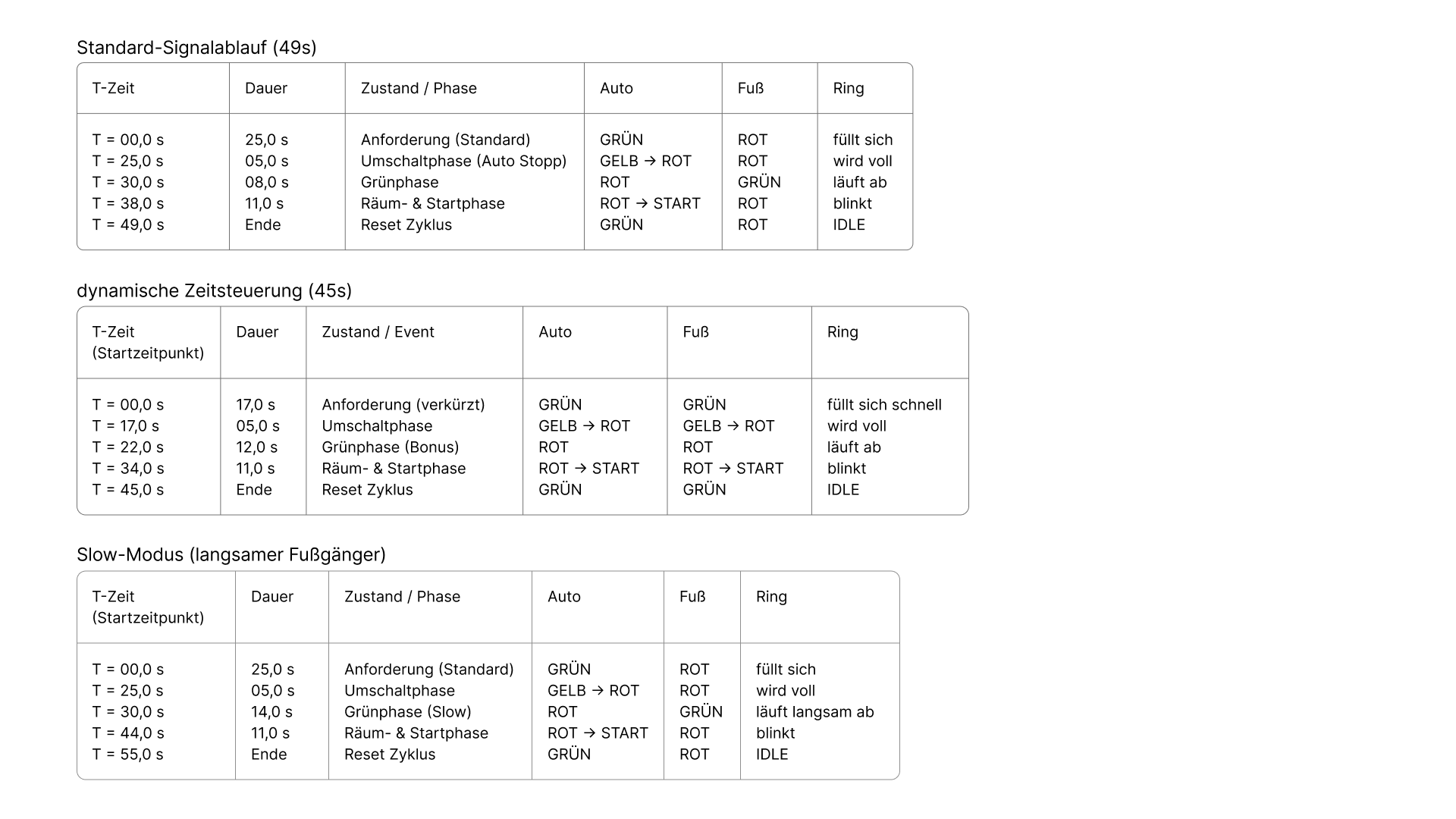
The system uses AI-based detection to identify pedestrians and analyze their behavior in real time. Based on this data, traffic light phases are dynamically adjusted. The prototype processes live traffic flows, adaptively controls signal timing, and provides visual feedback to make its decisions transparent — resulting in reduced waiting times and smoother traffic flow.
Showroom
E-Pen
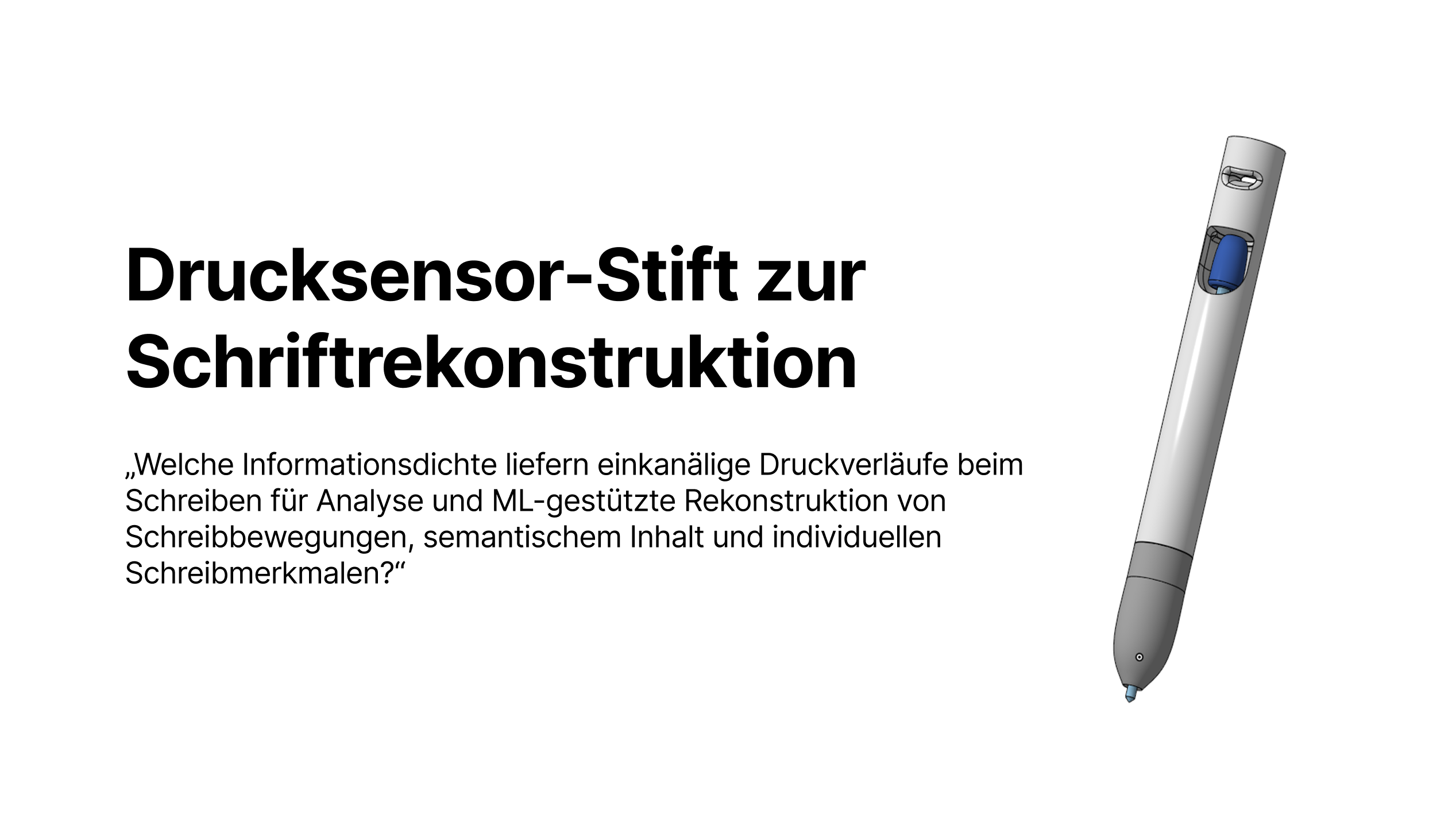
Handwriting reconstruction using ML Time Series Classification
Overview
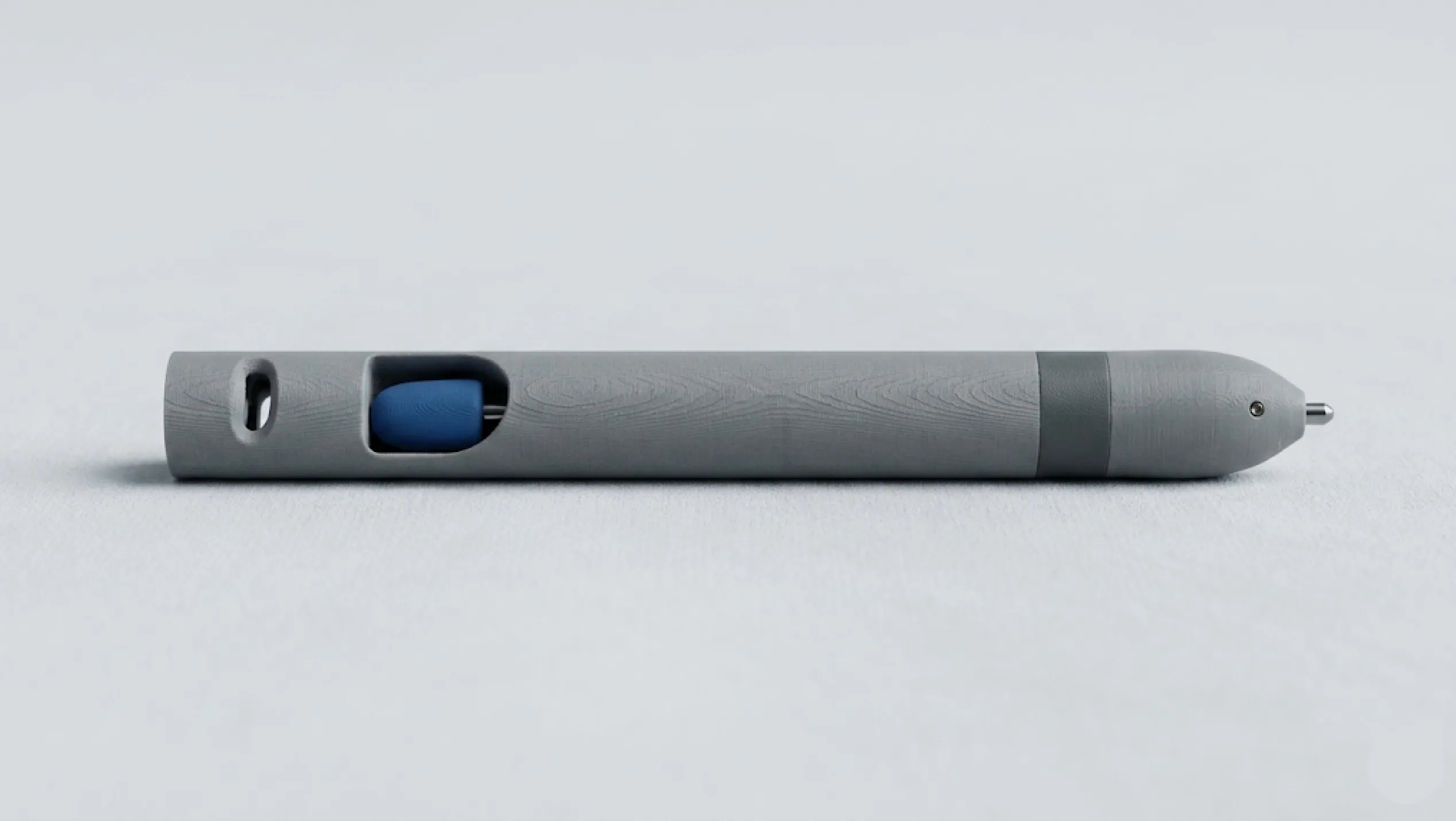
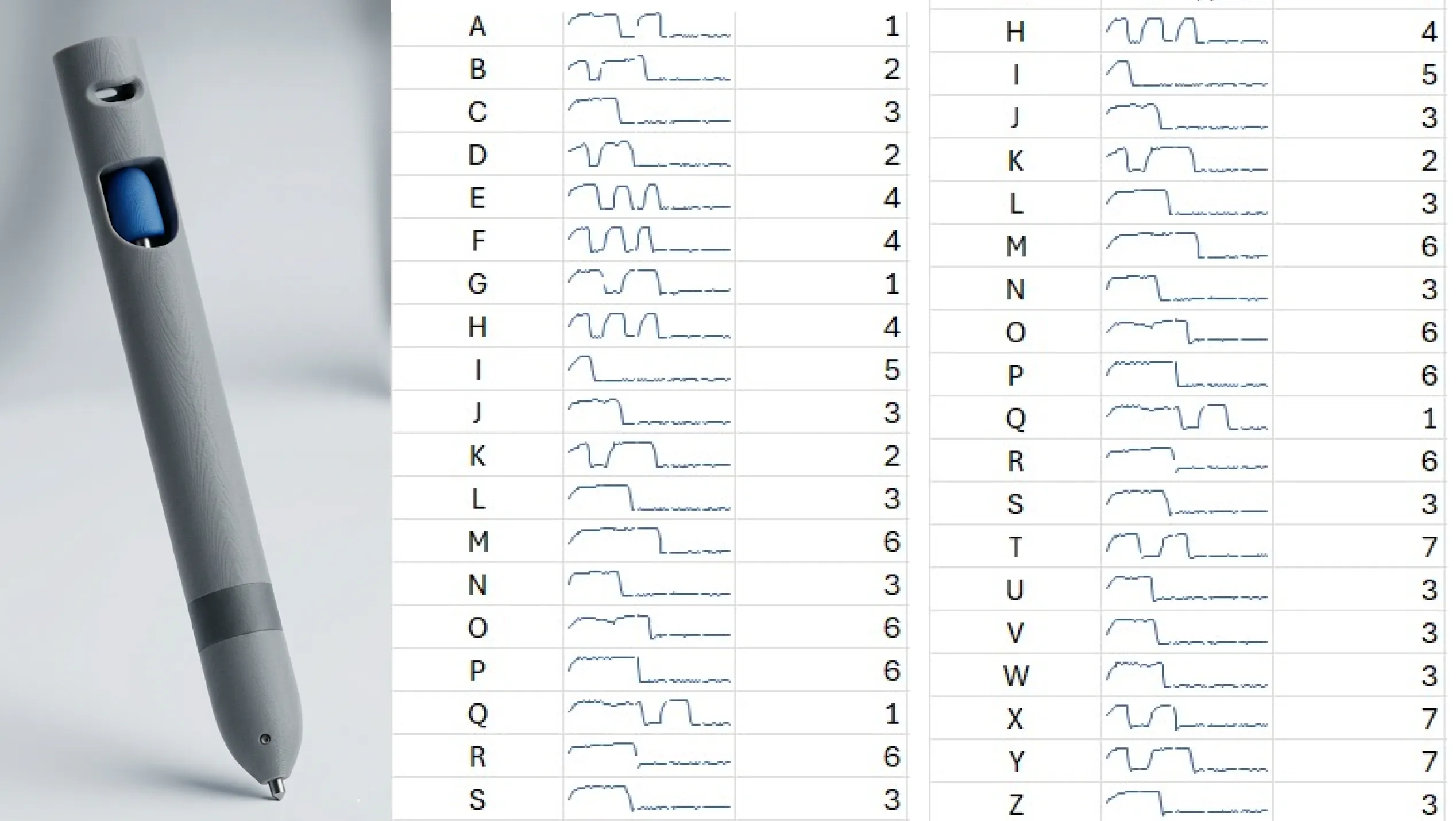
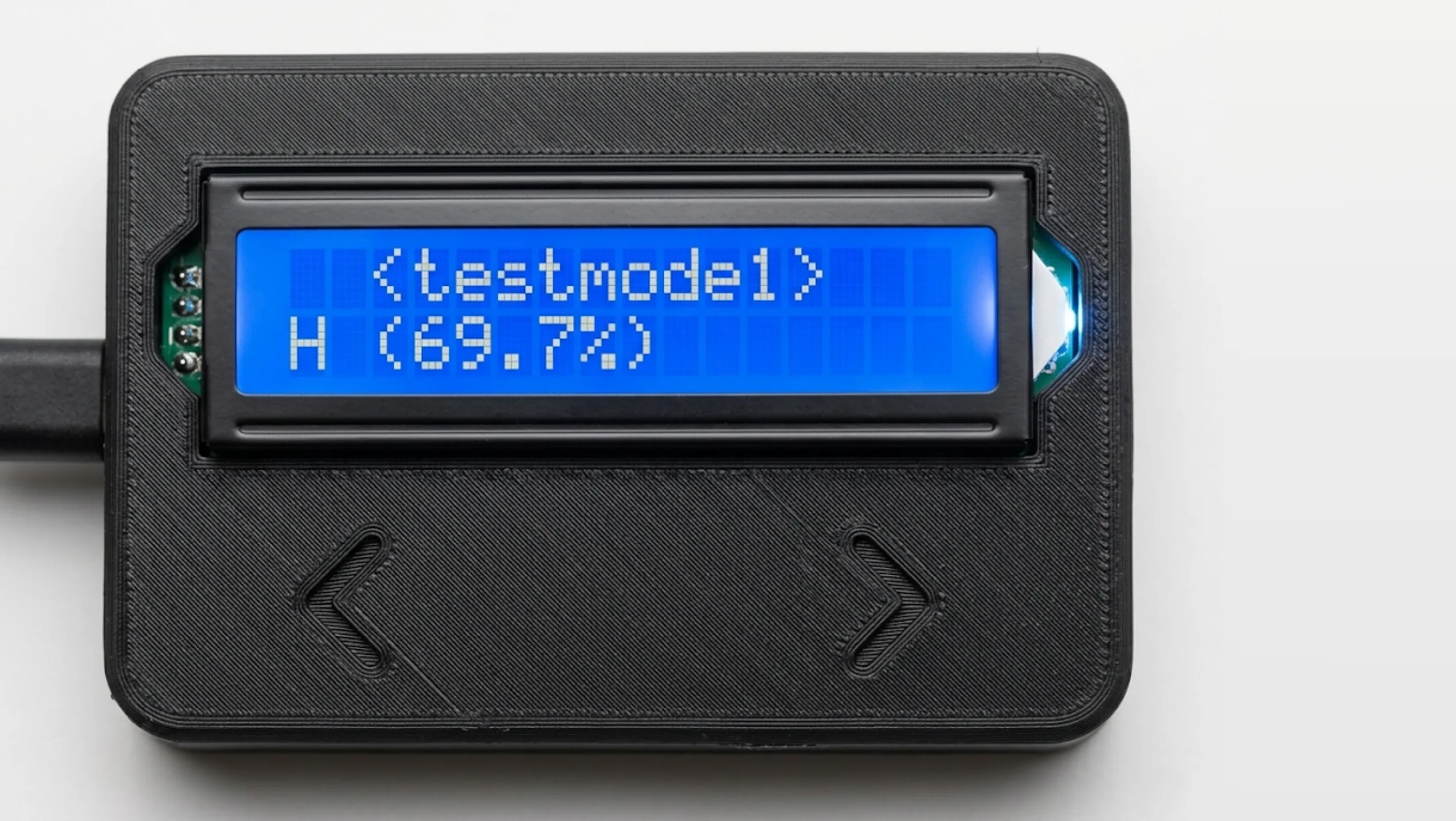
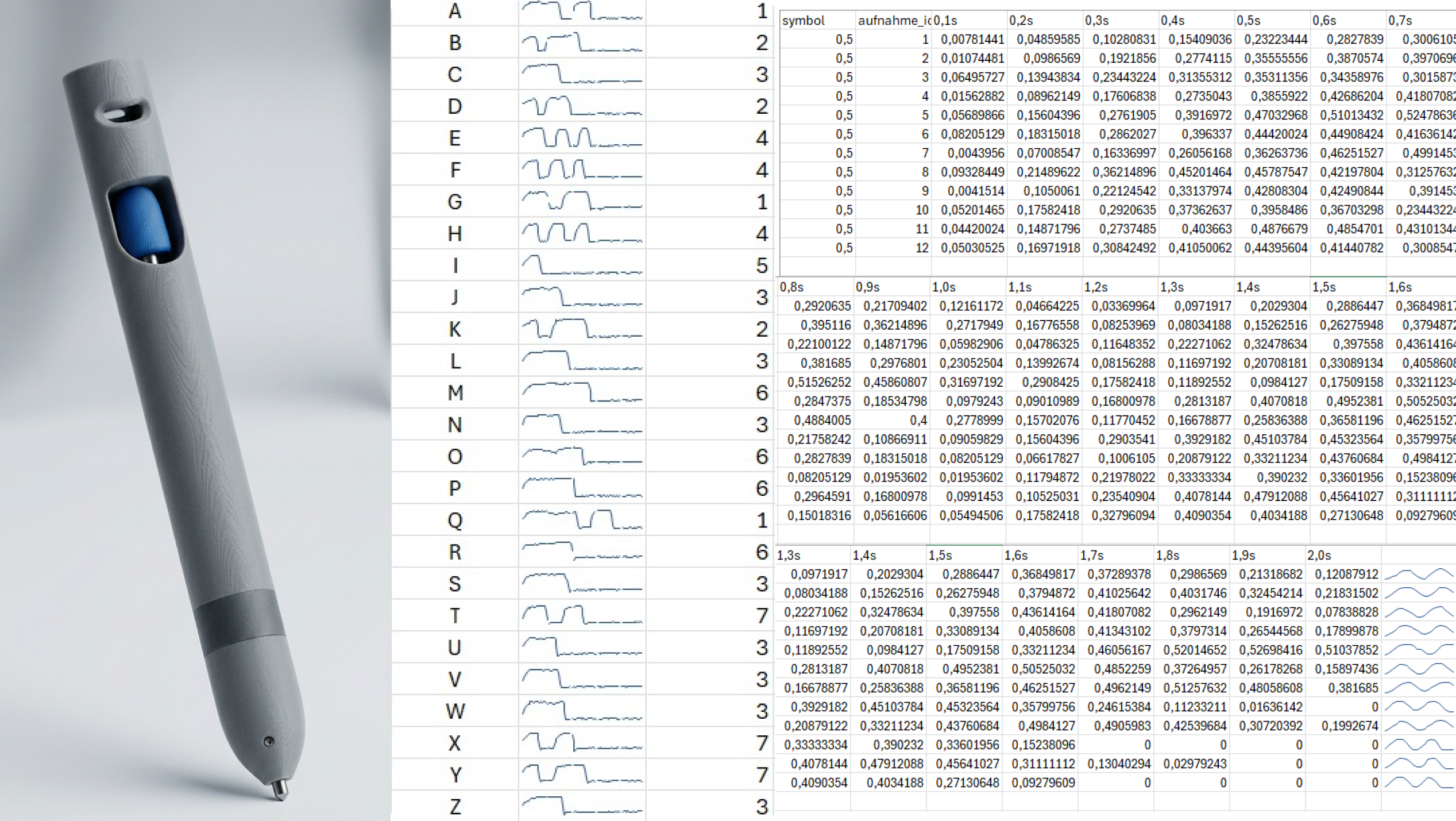
E-PEN is an experimental input system that captures handwriting through a one-dimensional pressure signal and reconstructs it into text using machine learning techniques. The project explores how much information density is actually required, with the result that surprisingly robust reconstructions are possible even with minimal data.
Challenge
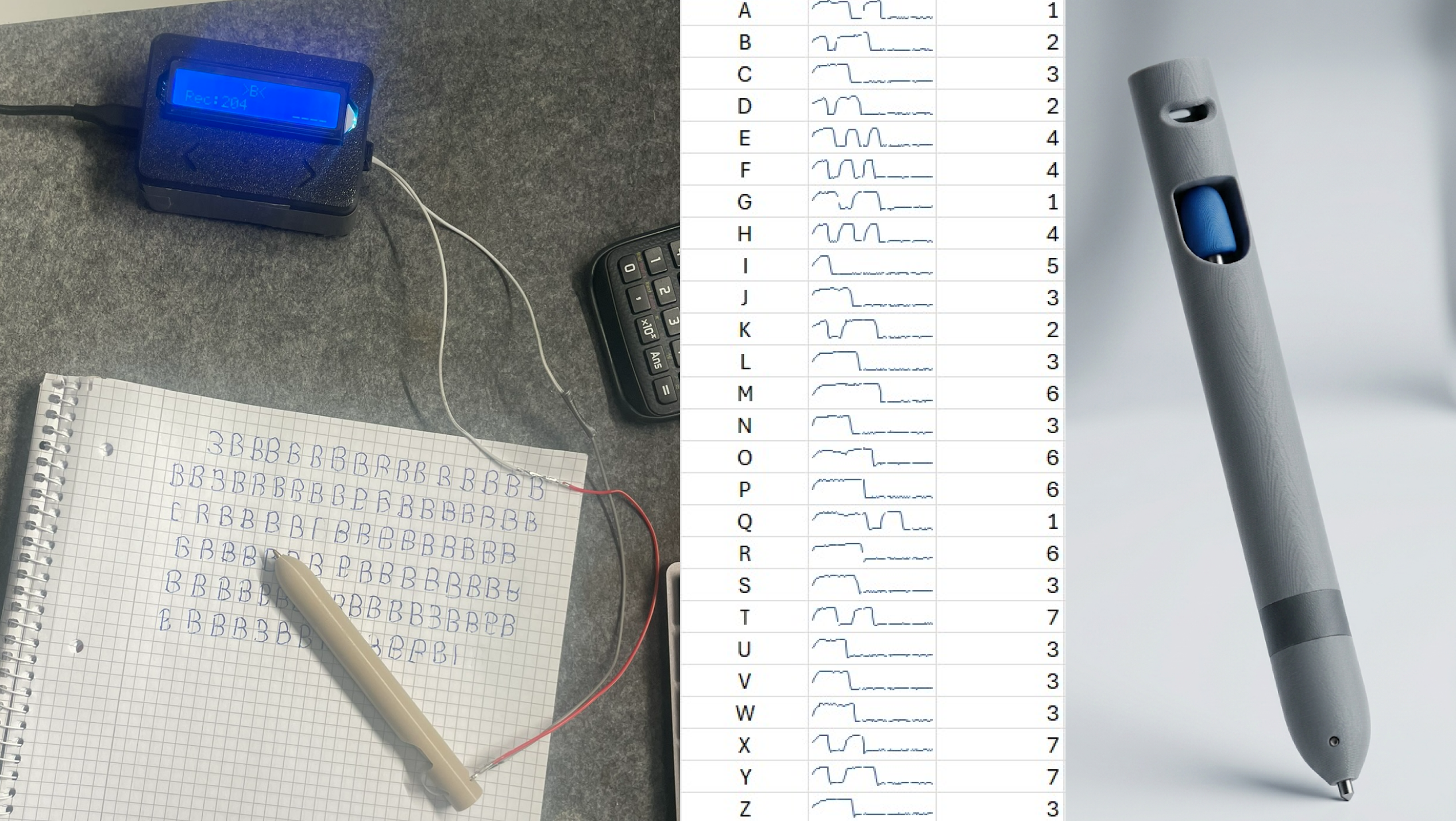
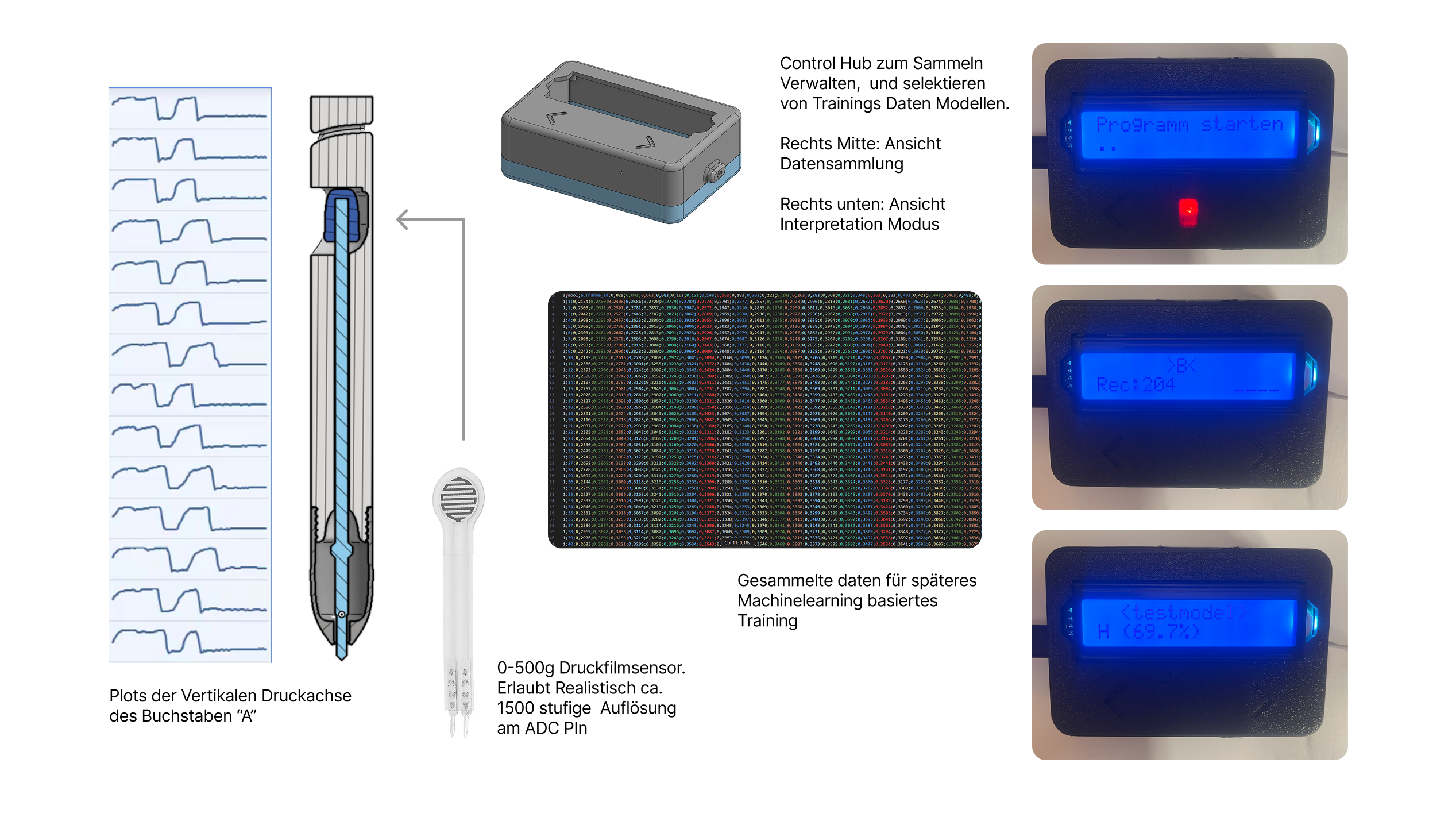
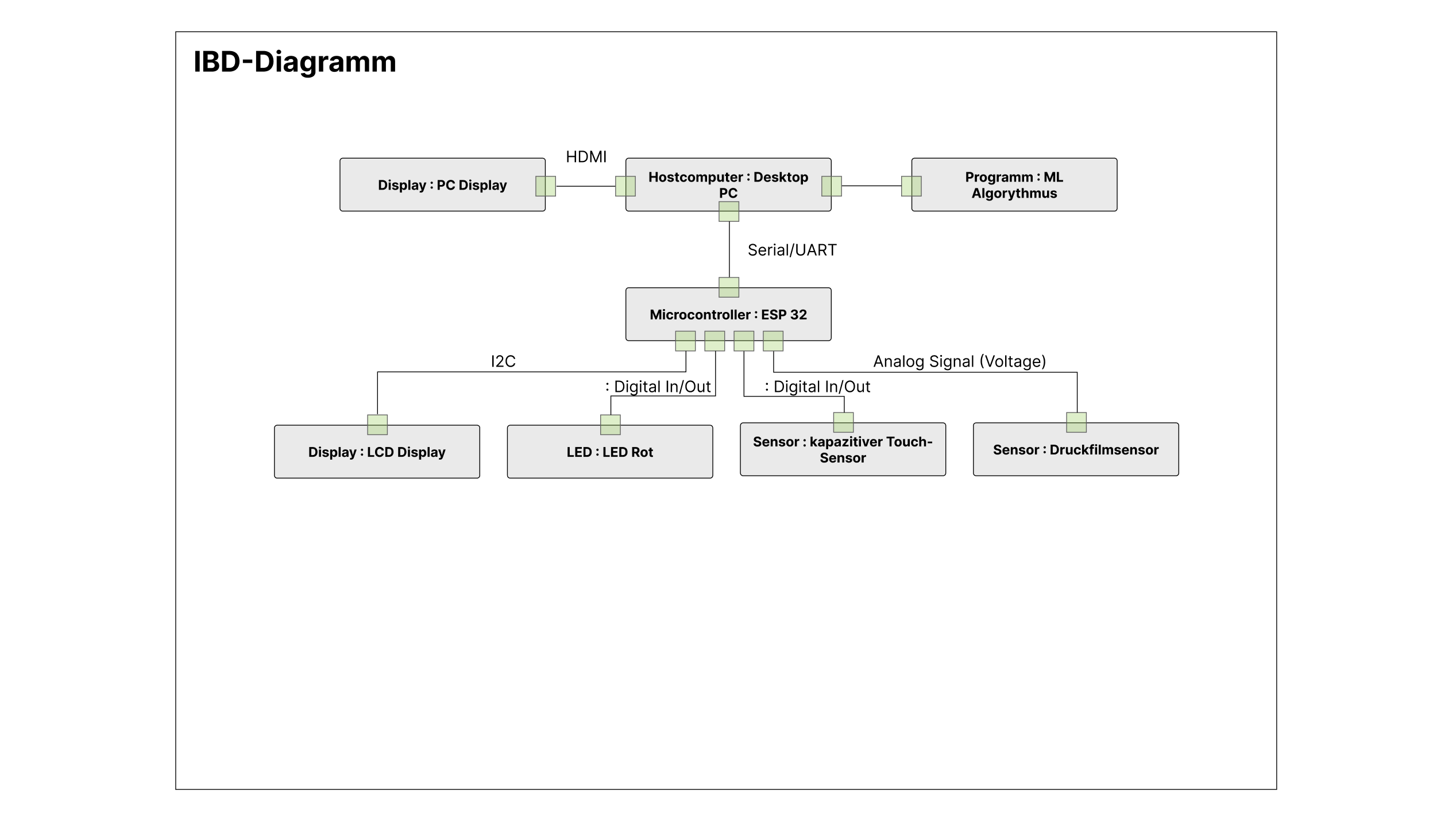
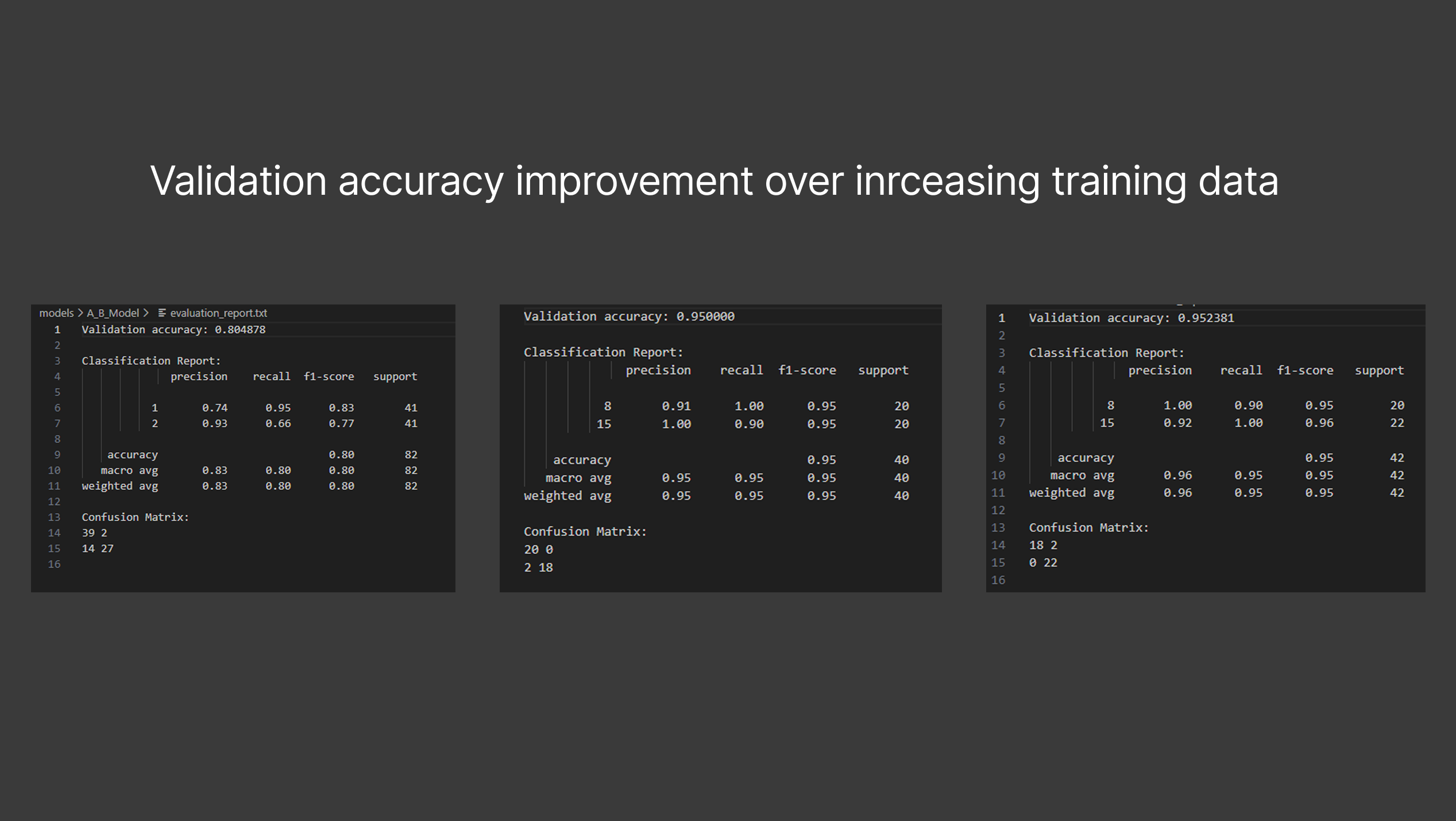
The central challenge was the extremely limited data basis: a single sensor provides only one-dimensional time series data without any spatial information. To still achieve usable results, extensive data collection and the targeted use of contextual information were essential.
Concept & Implementation
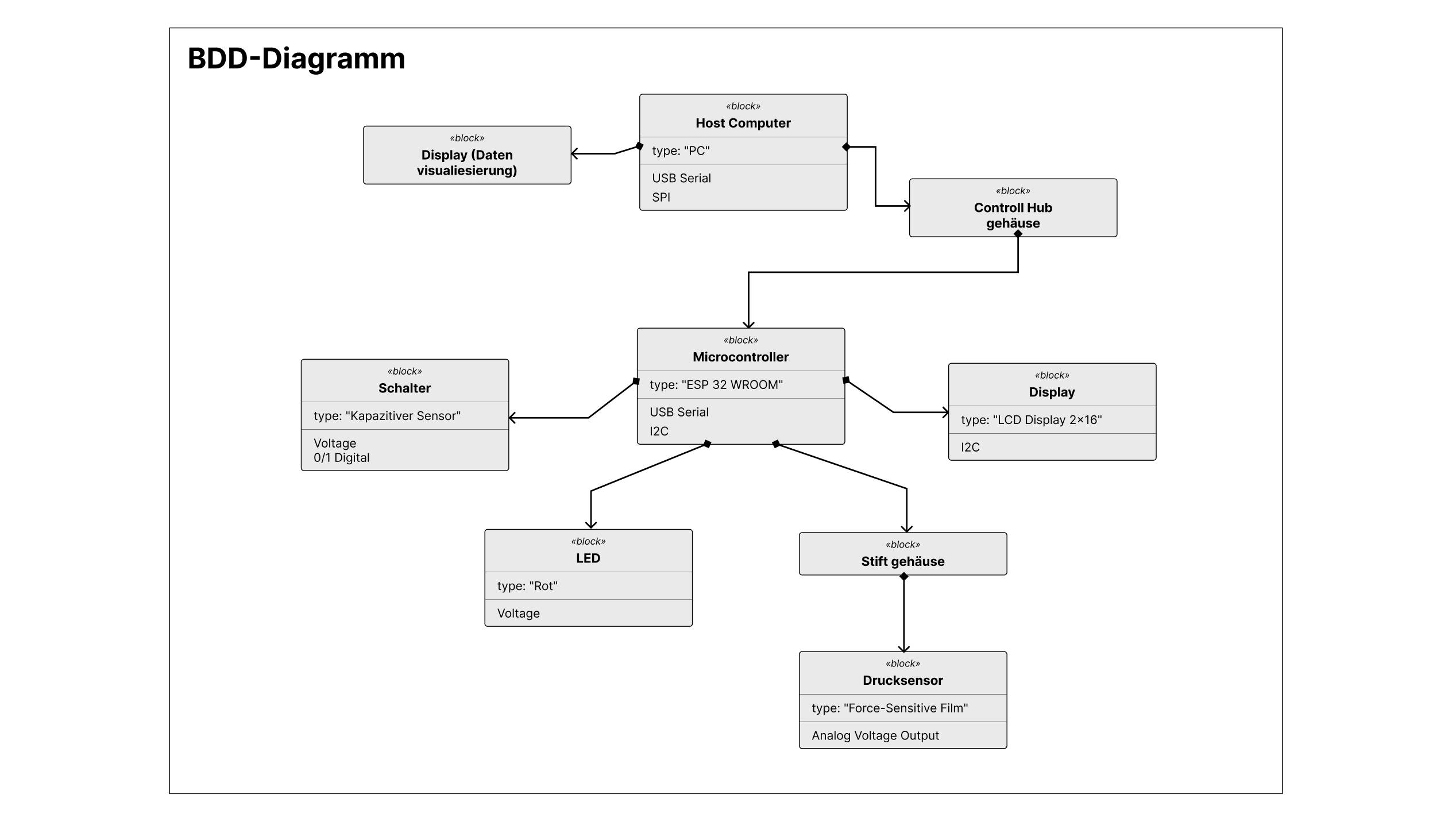
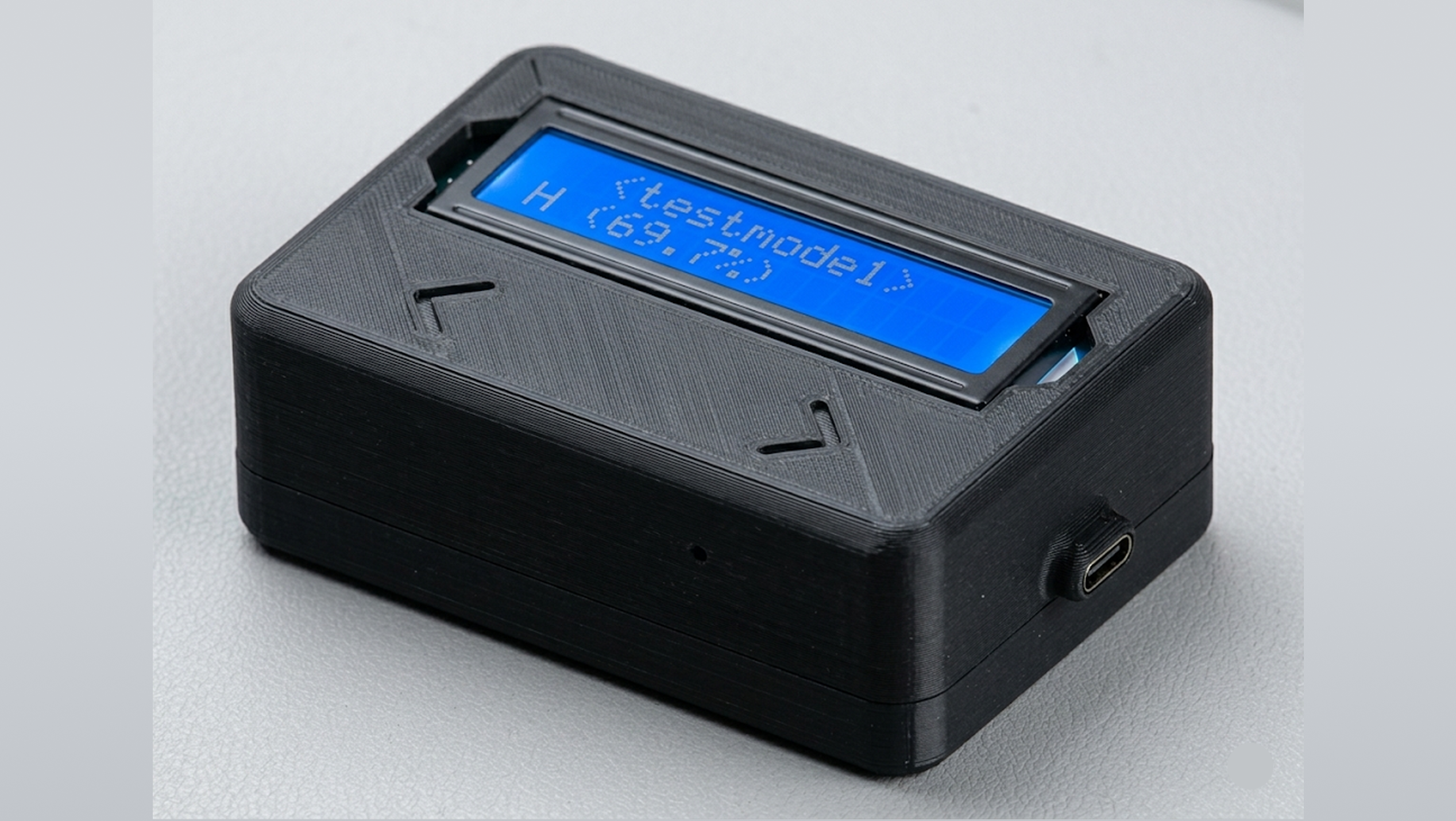
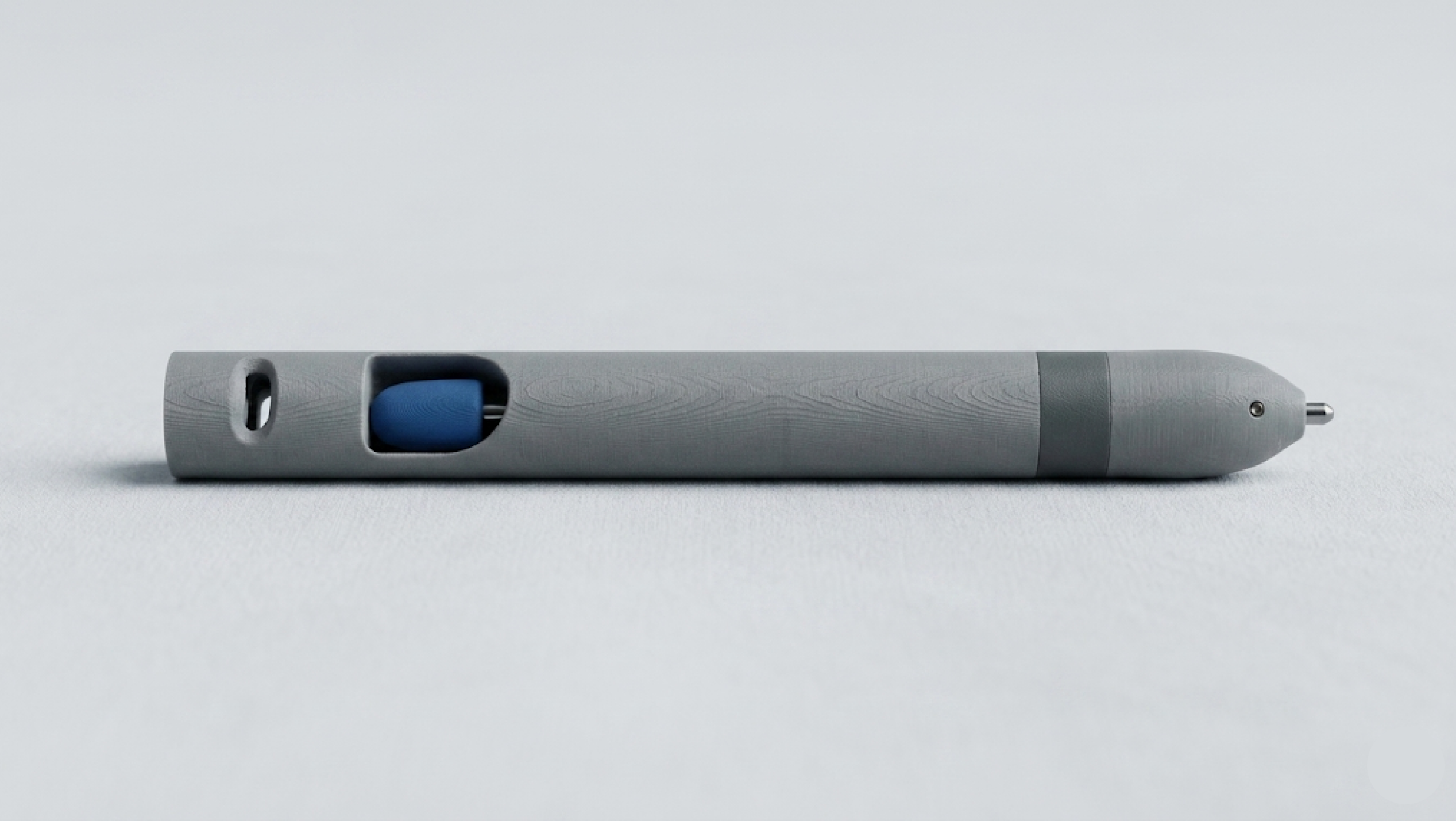
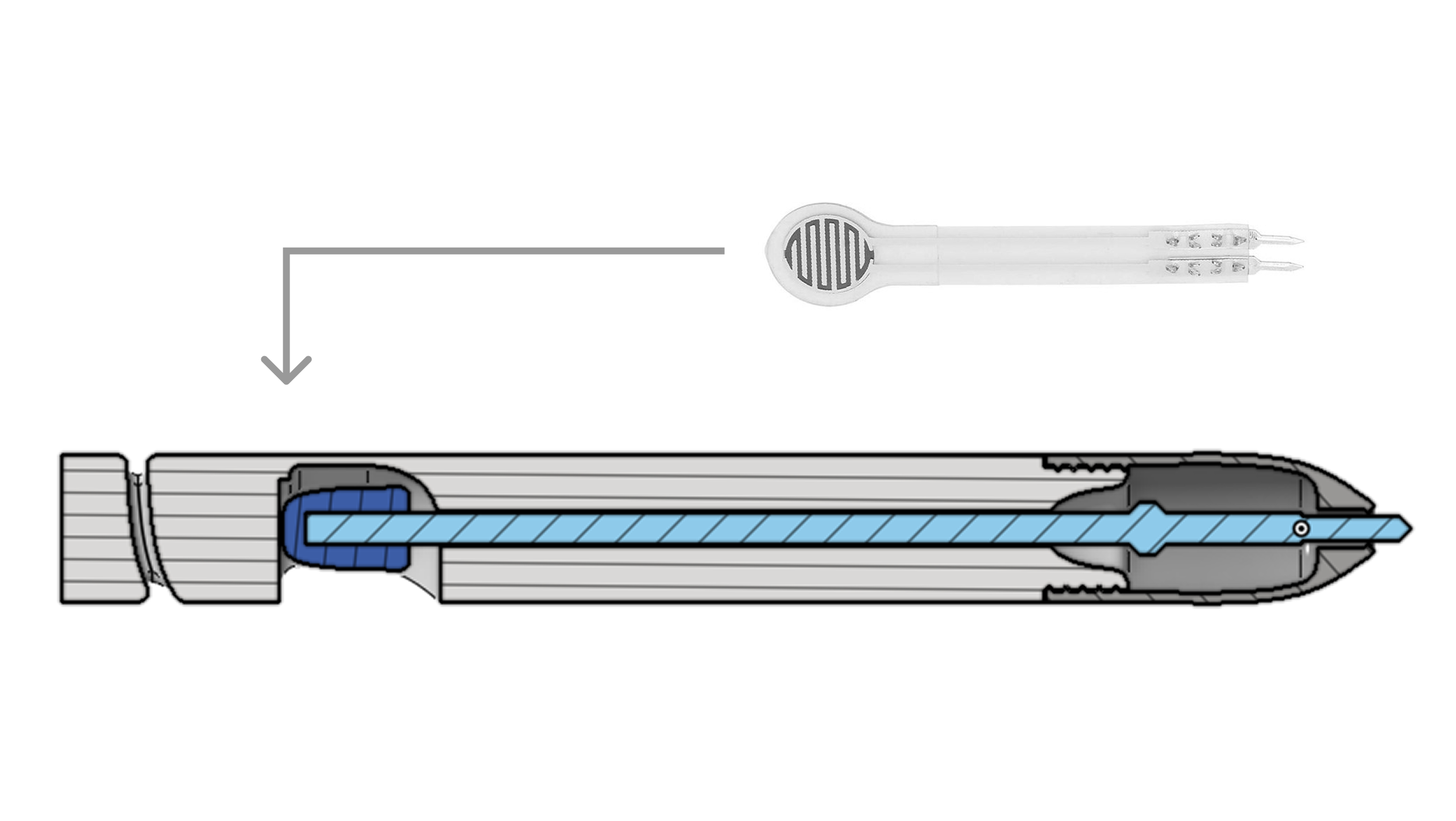
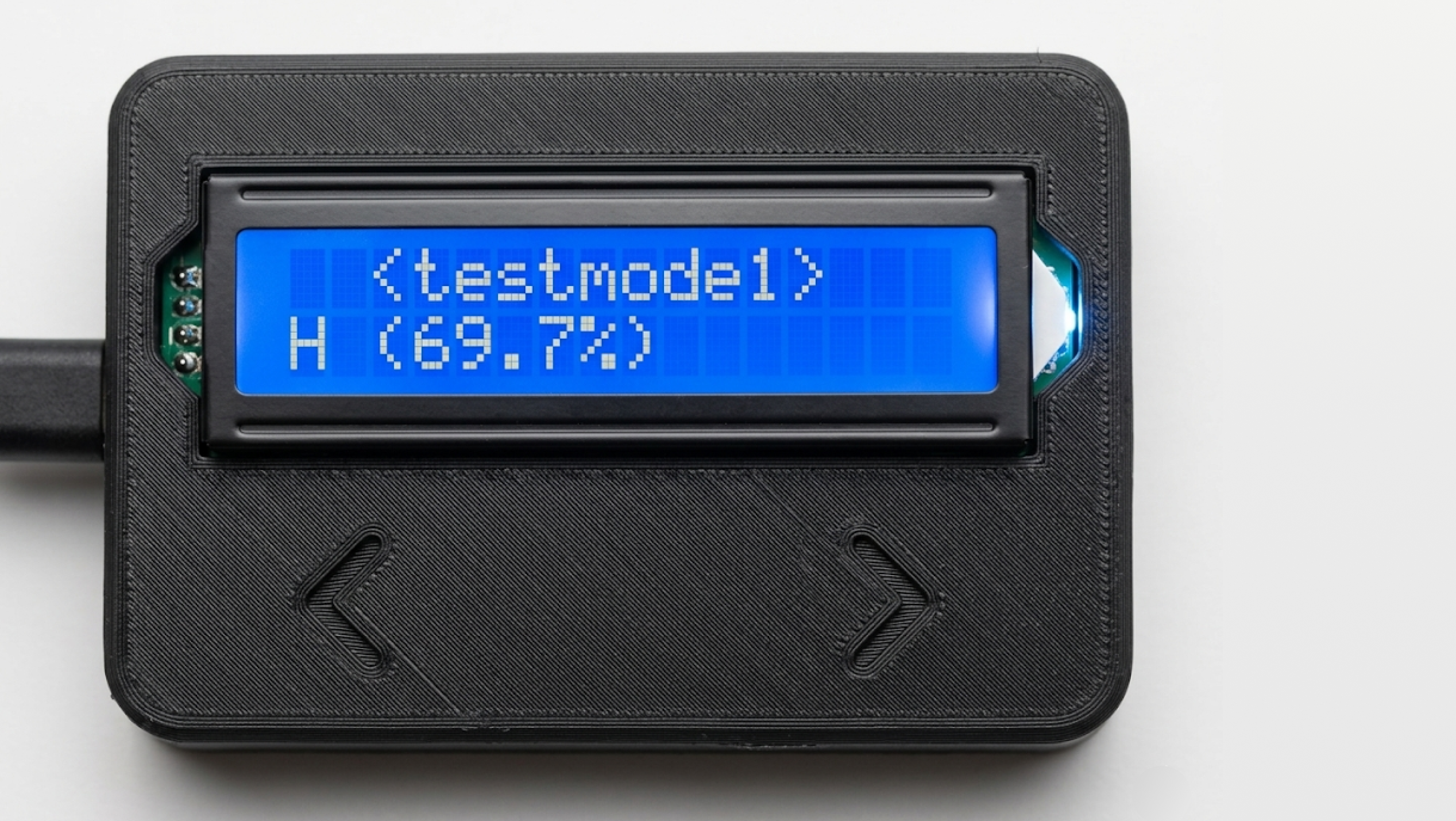
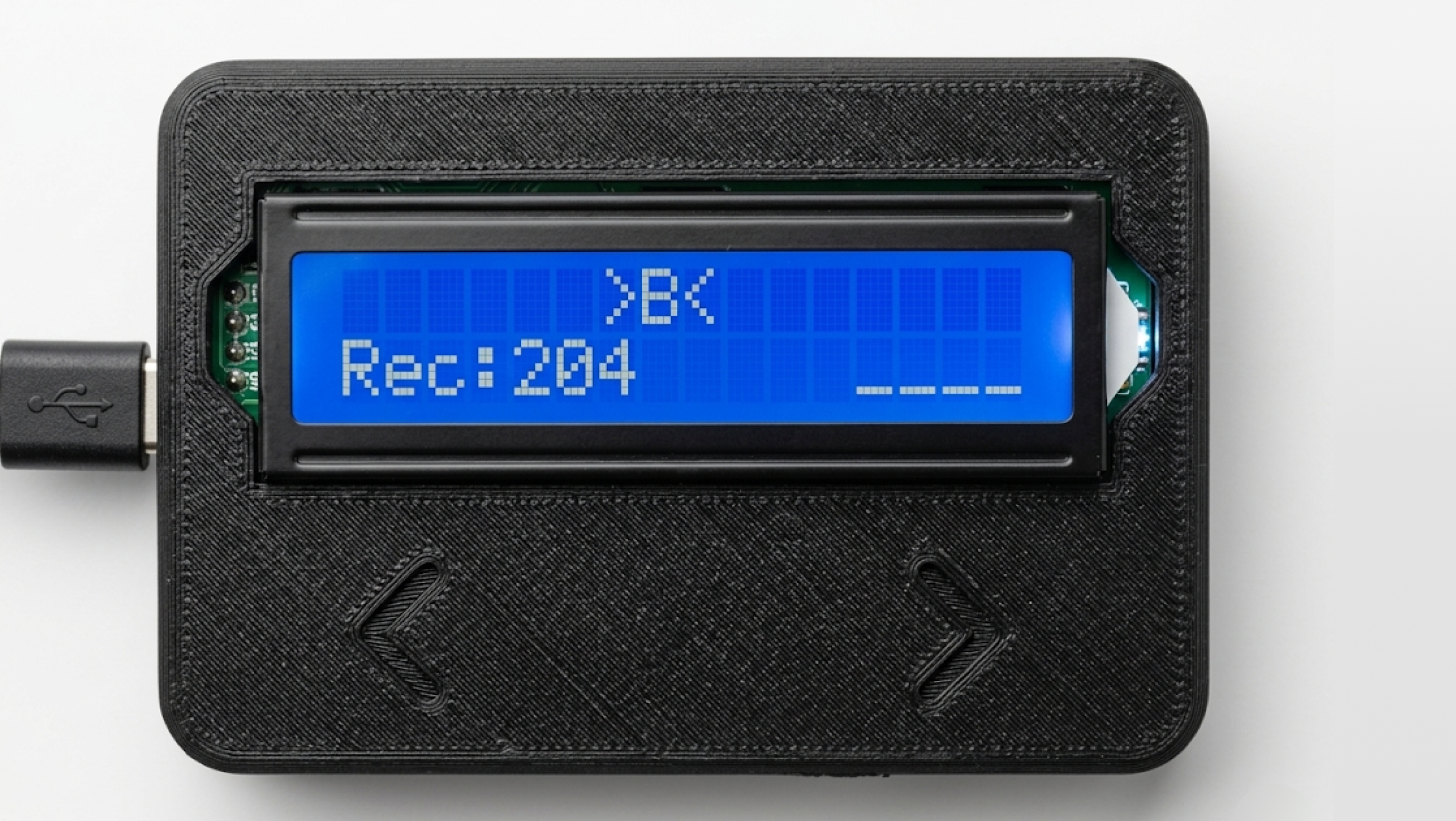
Development of a pen equipped with an integrated pressure sensor and an interface for data acquisition and visualization. Based on extensive training data, a time series classification model was developed, enhanced with context-based post-processing. The system demonstrates that surprisingly high reconstruction performance can be achieved even under highly constrained conditions.
Showroom
ModulR
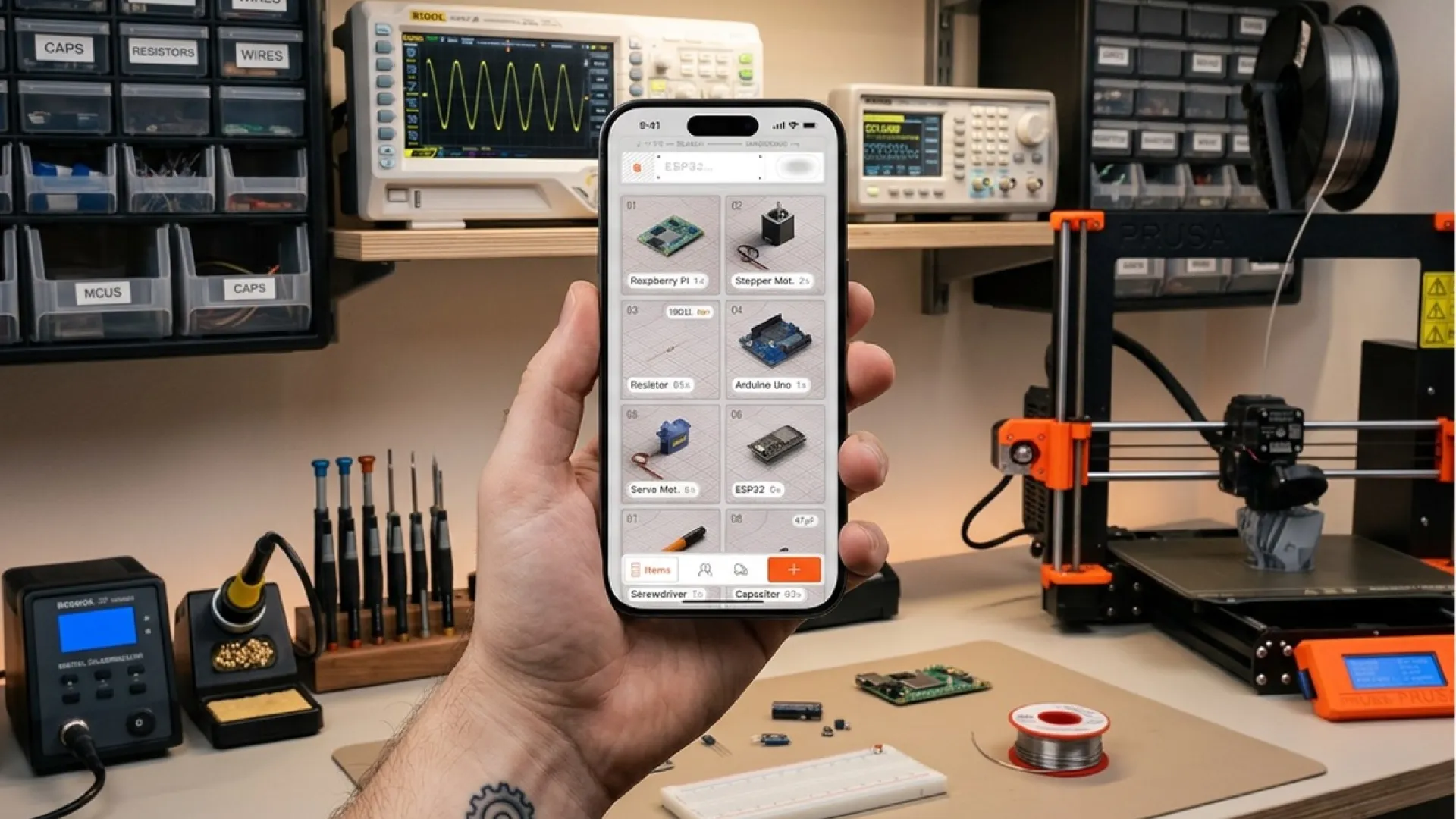
Interface design for a mobile app to manage electronic components and orders
Overview
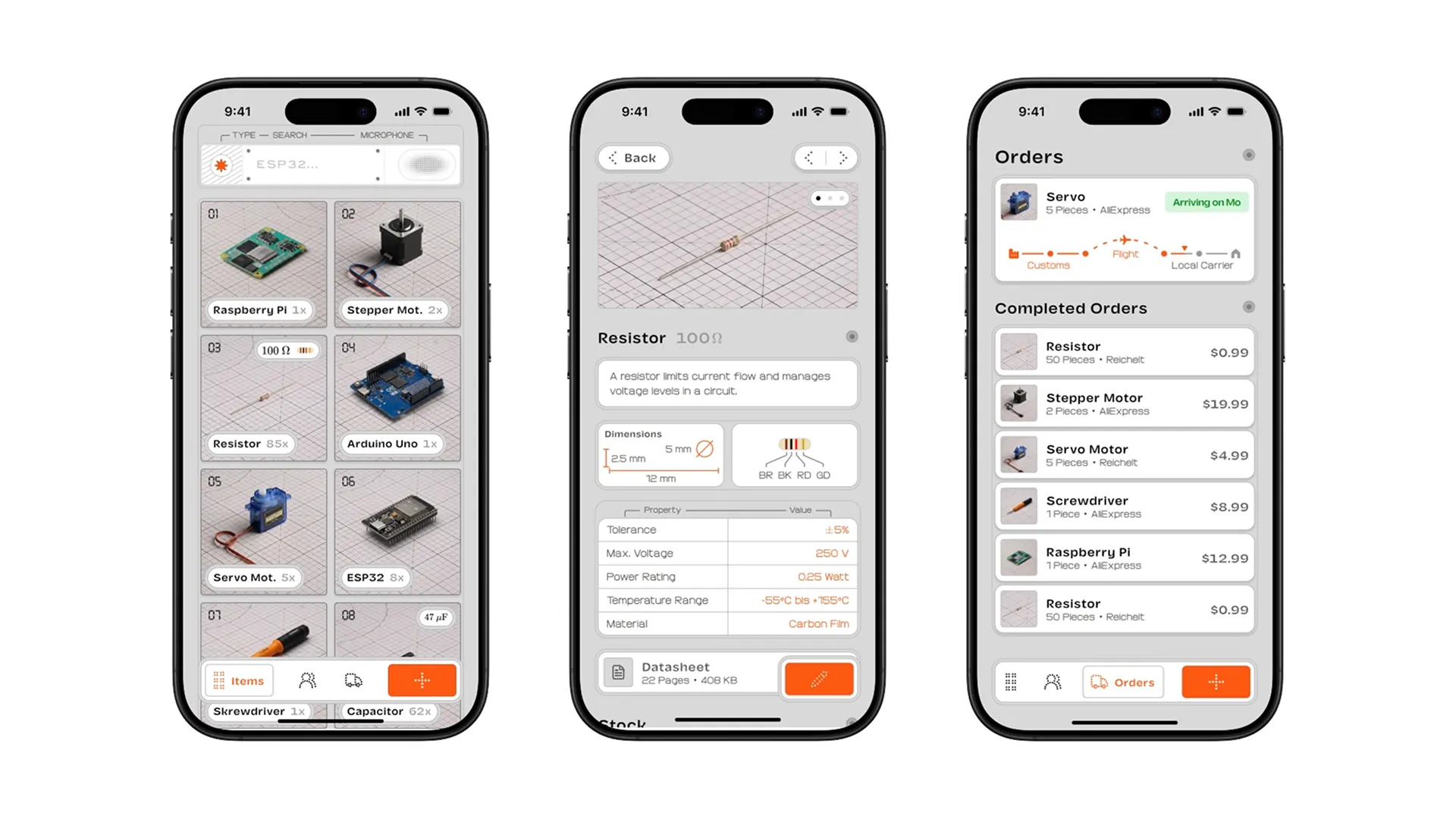
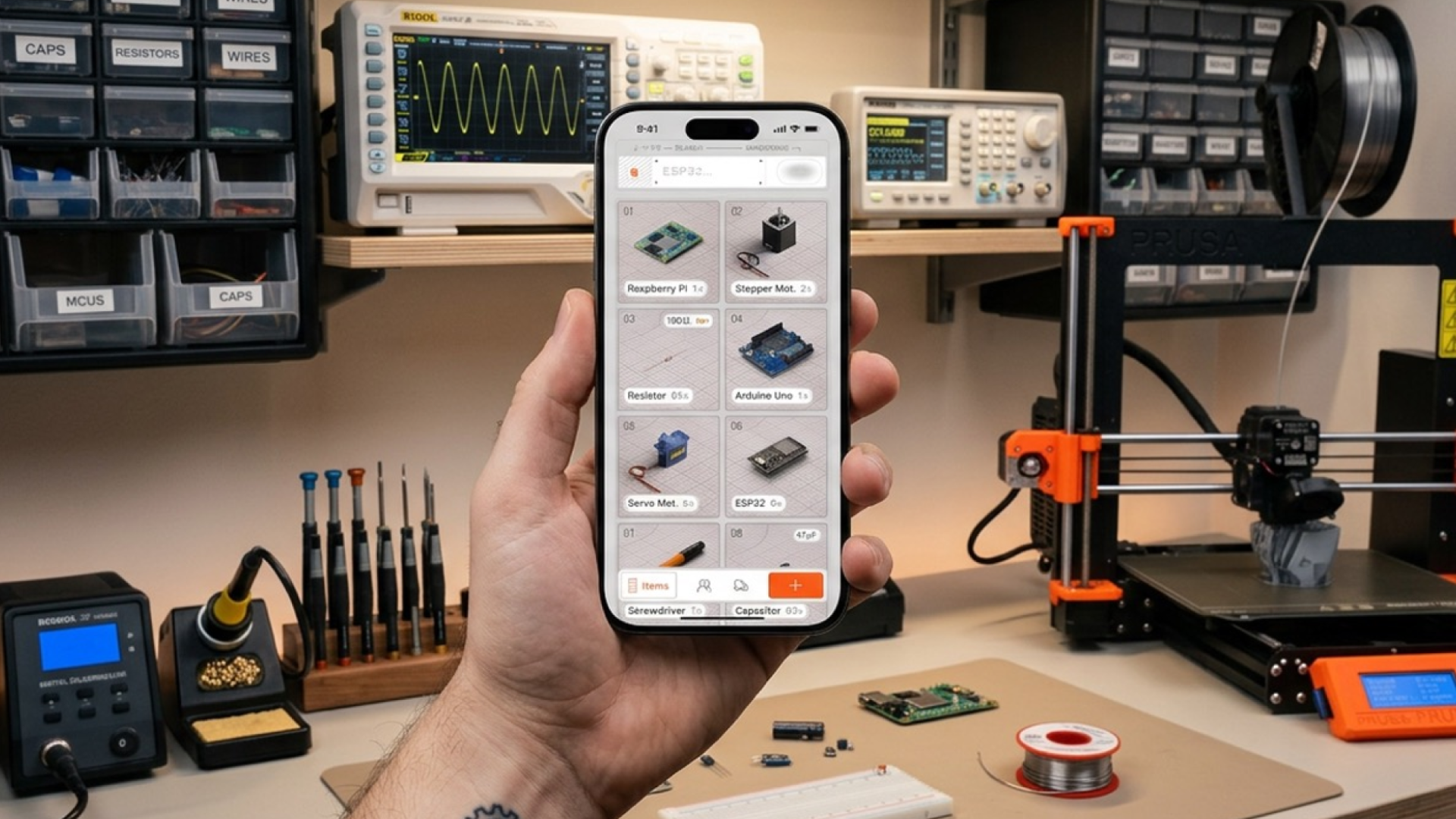
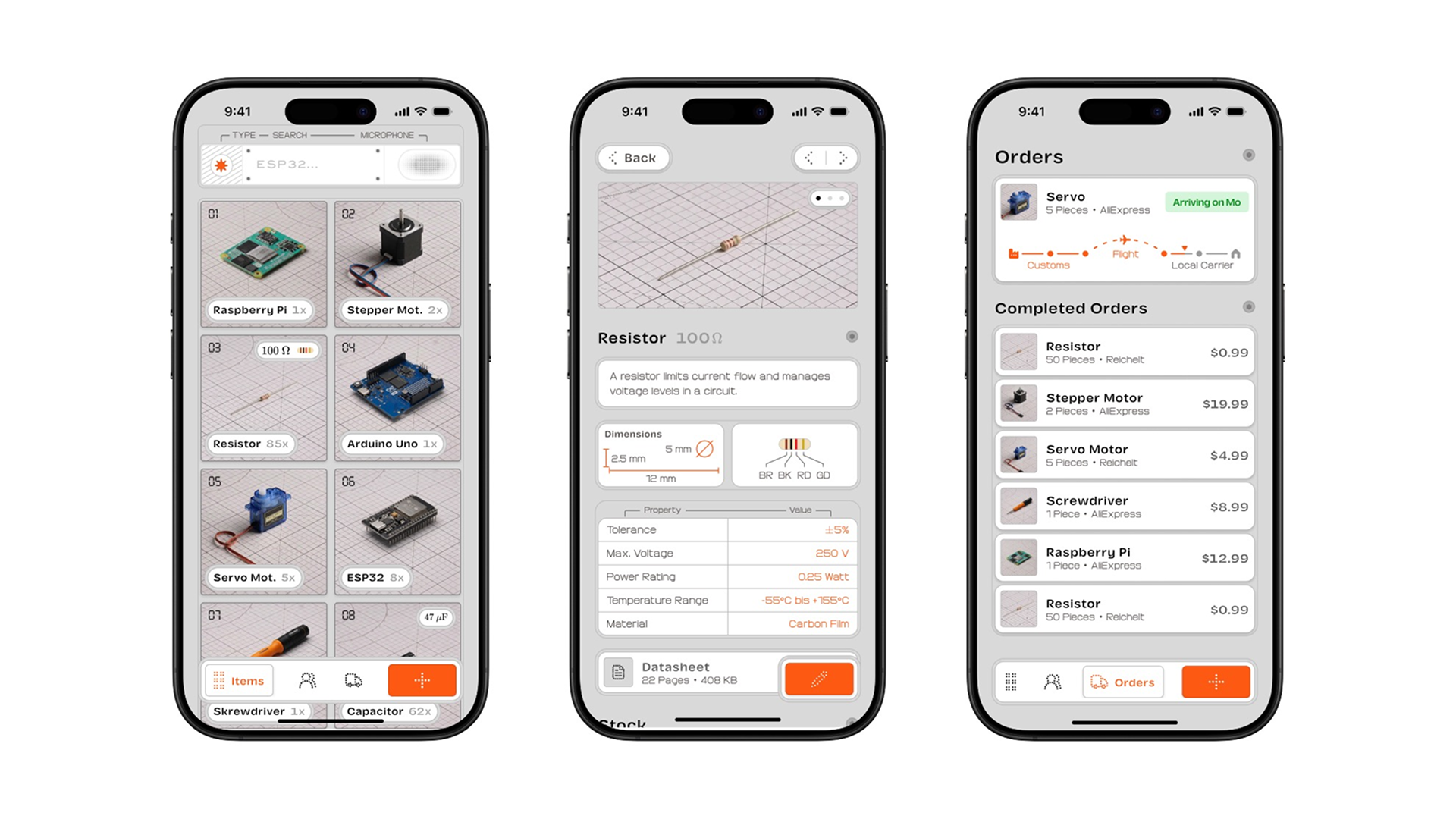
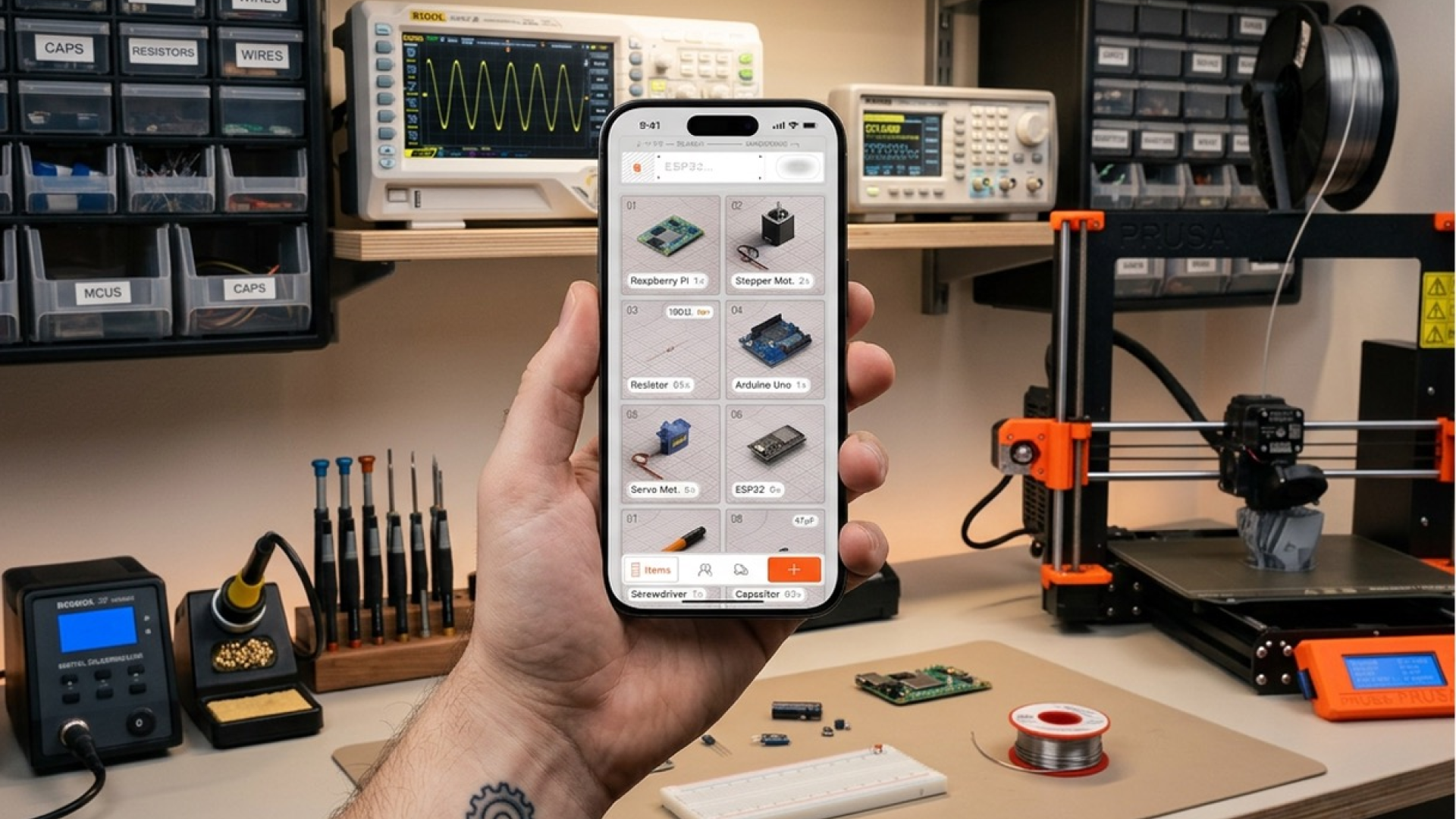
ModulR is a mobile application for the digital management of electronic components and orders, designed for hobby makers and DIY enthusiasts. It brings together inventory management, component information, and order tracking in a single, intuitive interface.
Challenge
The challenge was to bring three separate processes – inventory overview, technical component data, and order management – together into one coherent system. Without a central hub, makers quickly lose track of their stock, end up ordering duplicate parts, or waste time researching technical specifications.
Concept & Implementation
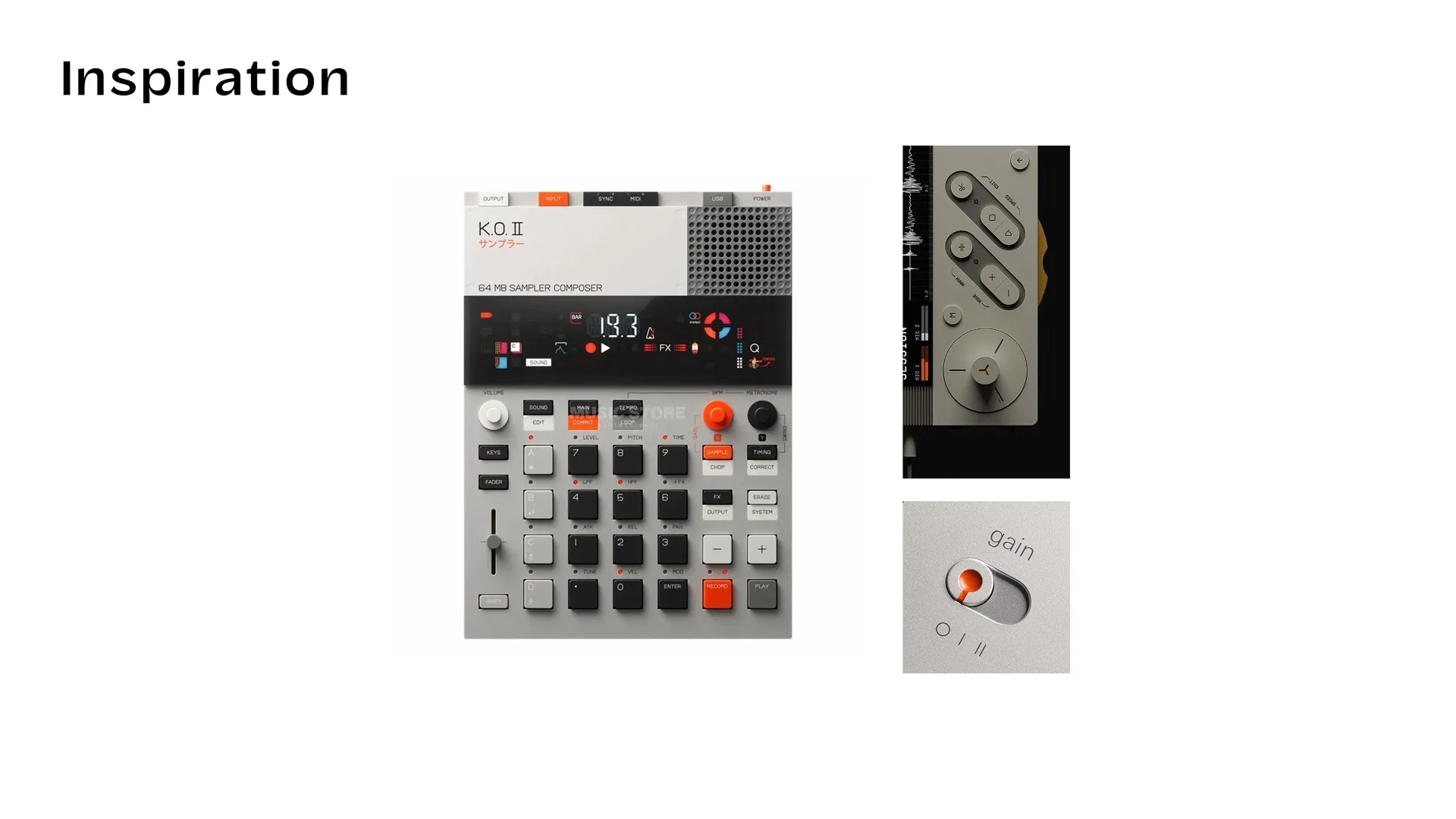
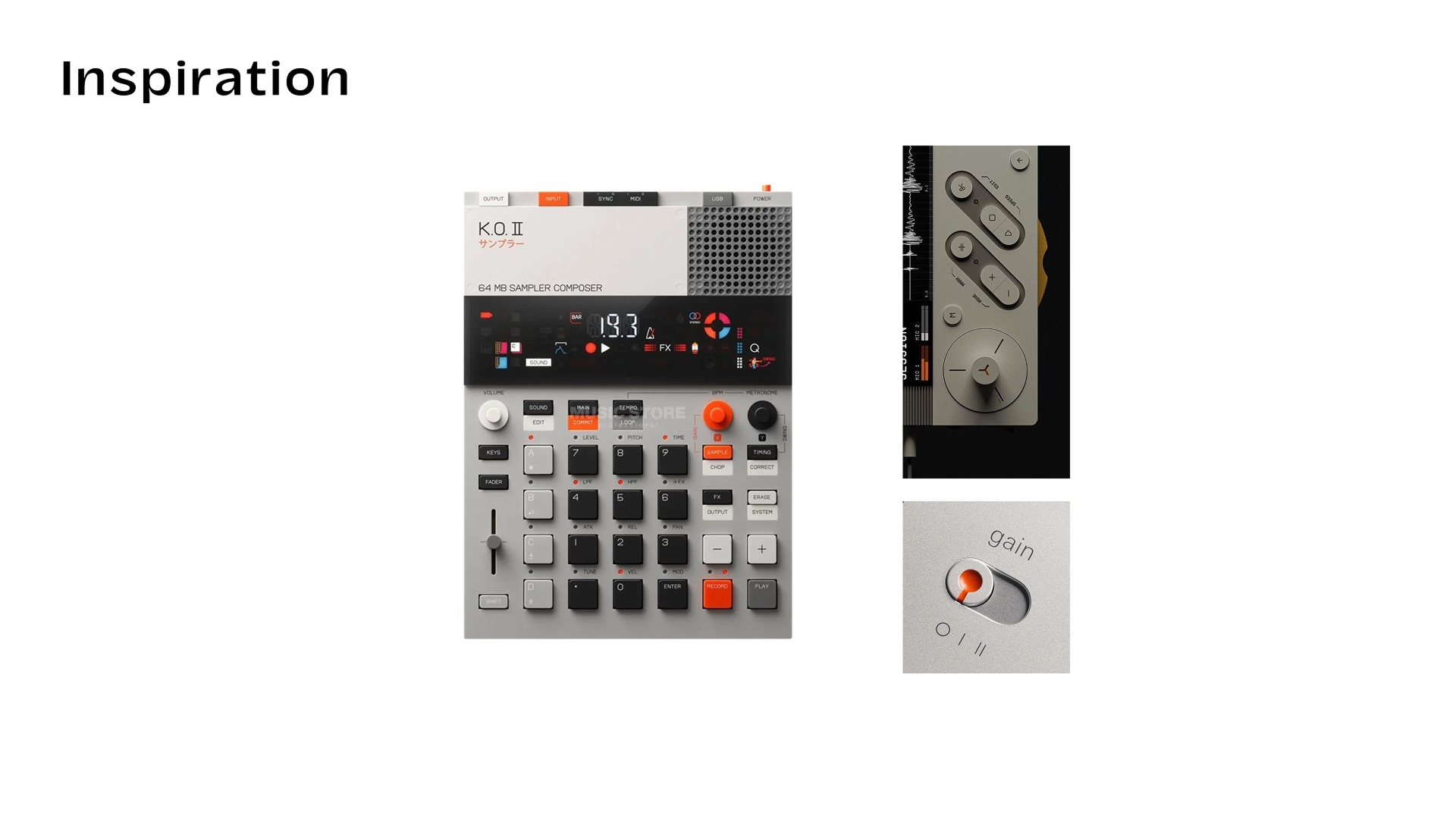
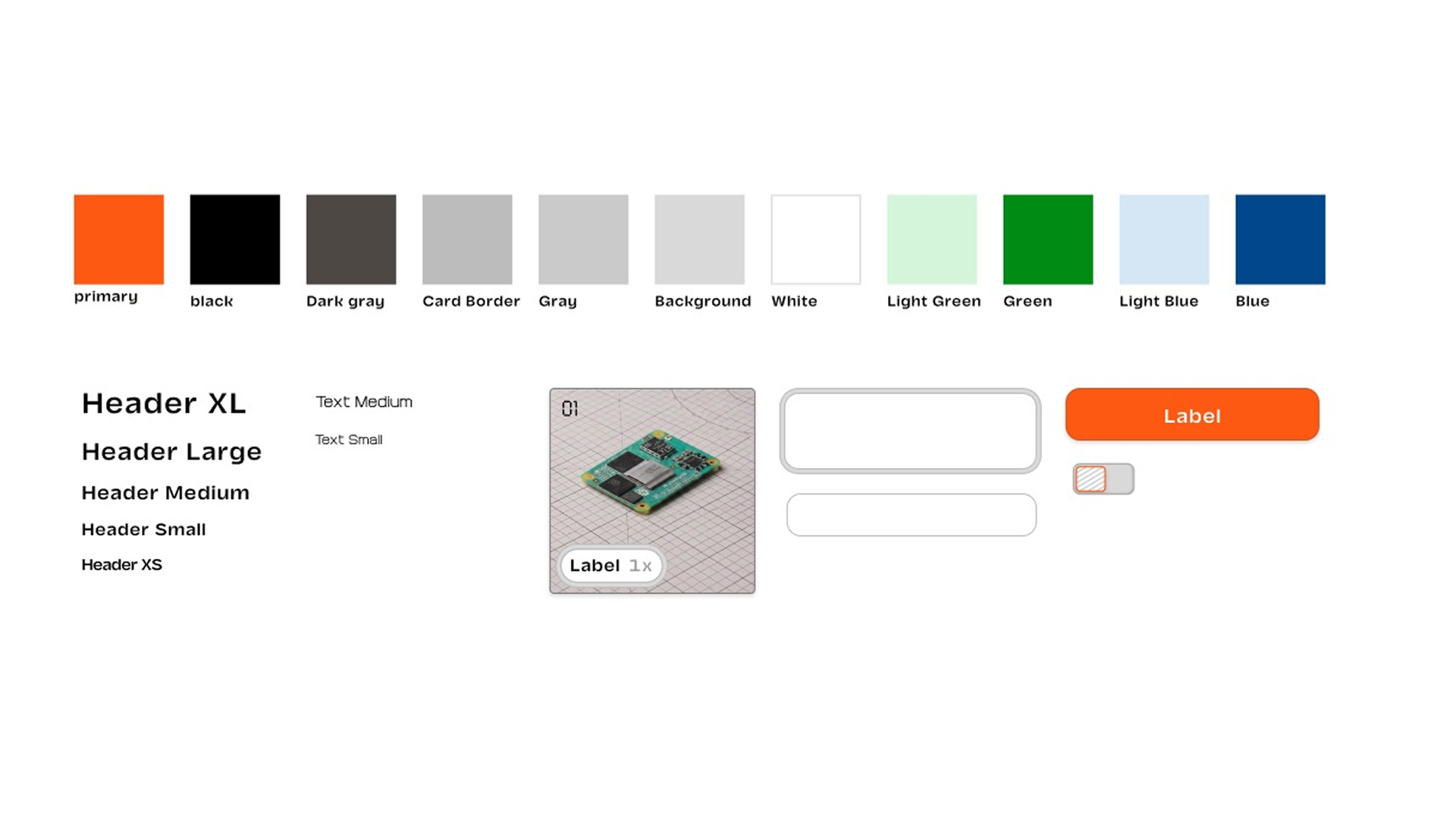
ModulR addresses this with a clear three-part concept: an overview list displays every component at a glance with photo, name, and quantity, each detail page provides technical information such as tolerance, voltage range, and datasheet, and a built-in ordering system allows orders to be placed and tracked directly, including automatic reordering. Visually, the app draws on the design language of Teenage Engineering – muted grey tones, understated typography, and a fine background grid create an industrial, tool-like aesthetic, while targeted orange accents provide orientation within the interface.
Showroom
Body Mirroring
Interactive drawing machine with vision-based body tracking
Overview
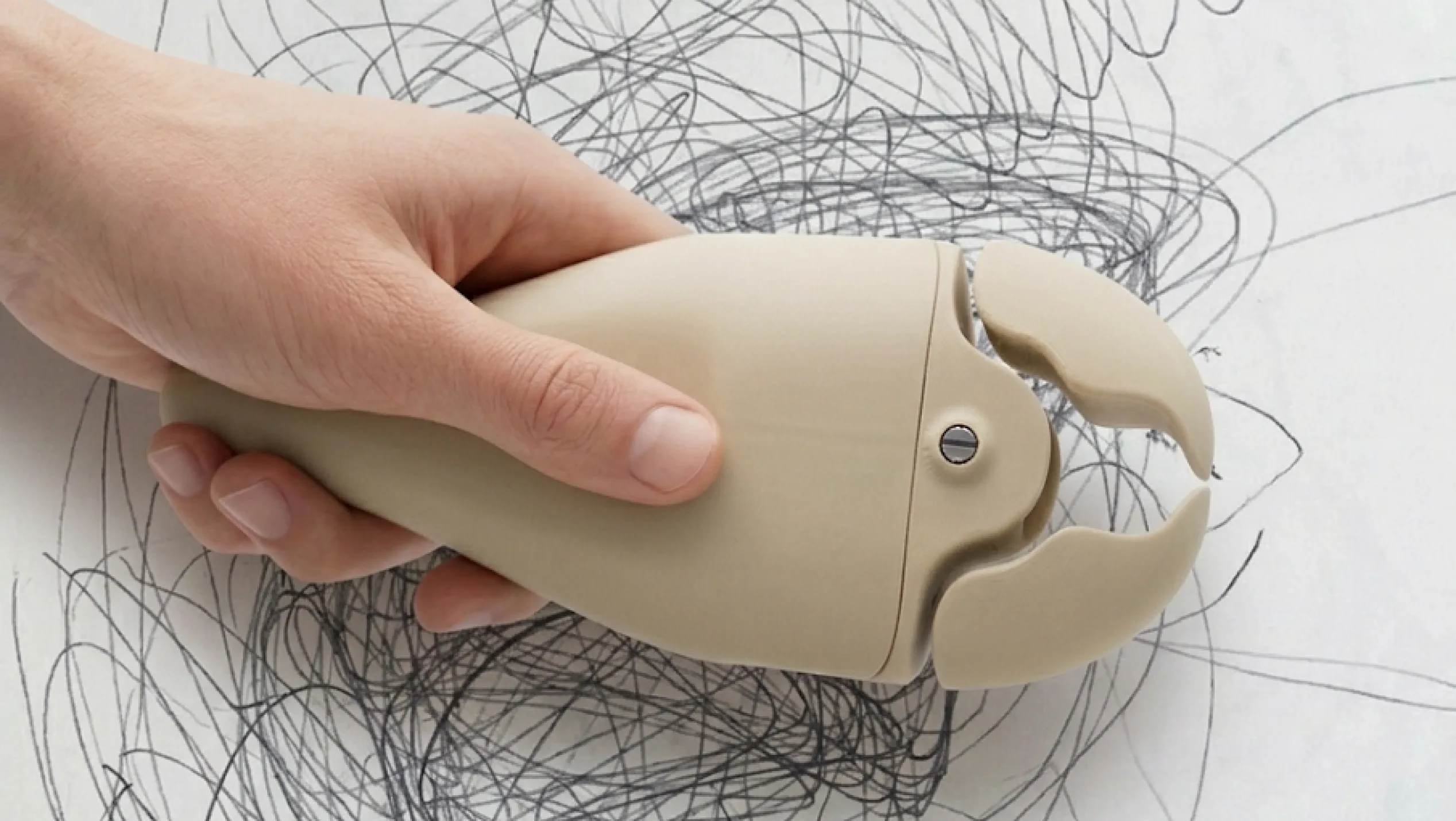
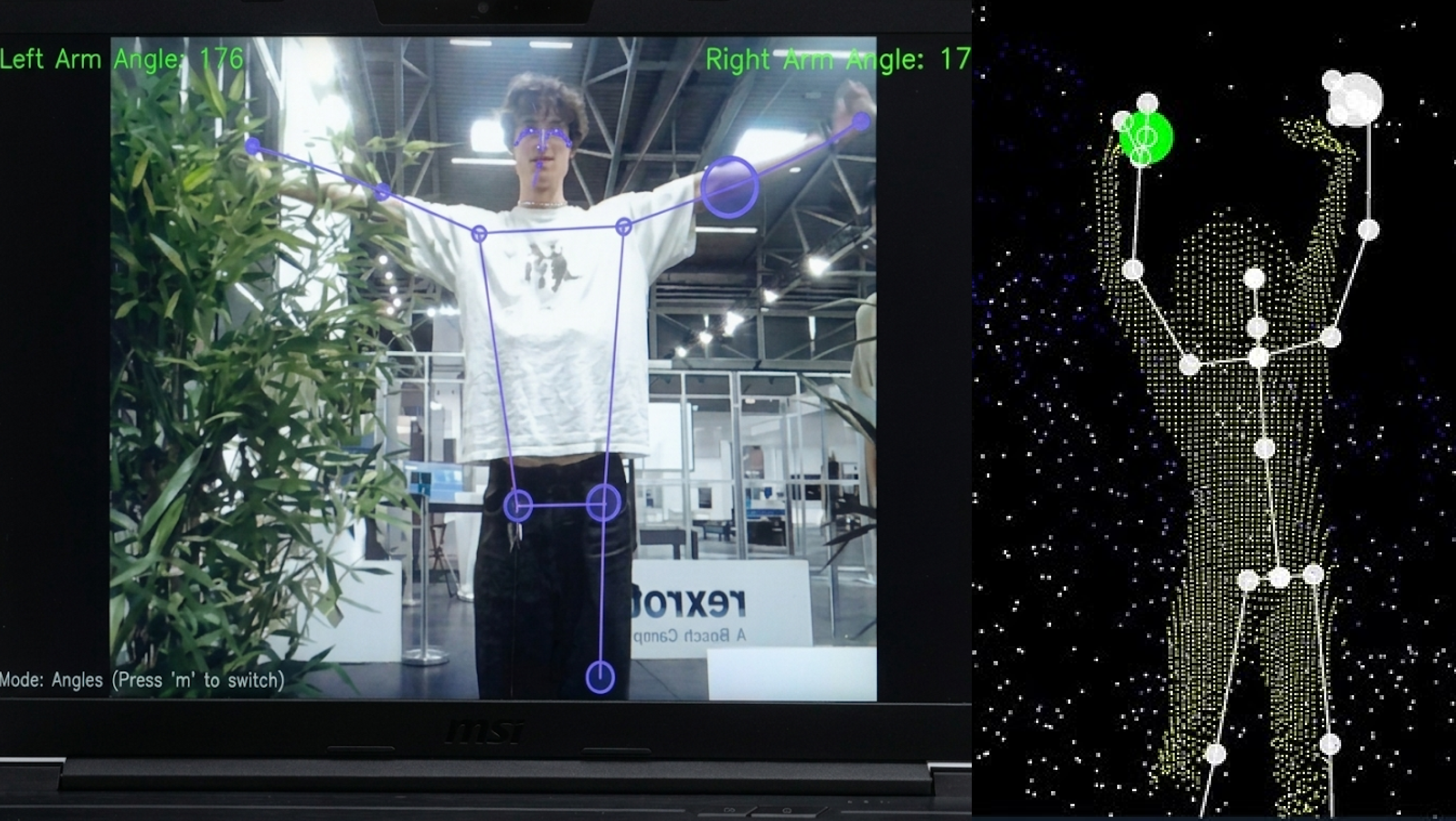
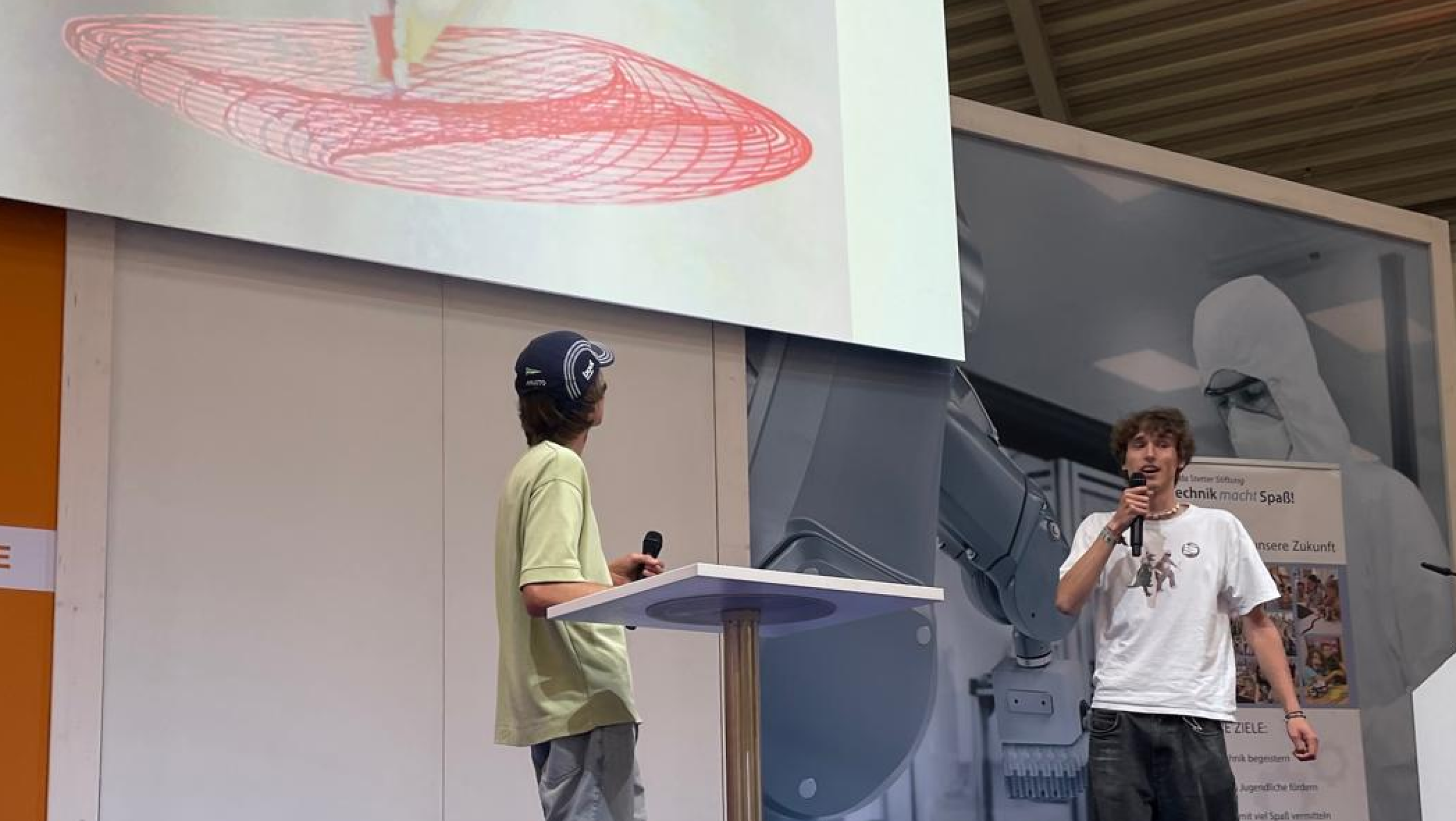
Body Mirroring is an interactive art installation that captures body movements in real time and translates them into geometric drawings. The project was created as part of an exhibition format at the intersection of design and technology, where visitors themselves become active participants in the image generation process.
Challenge
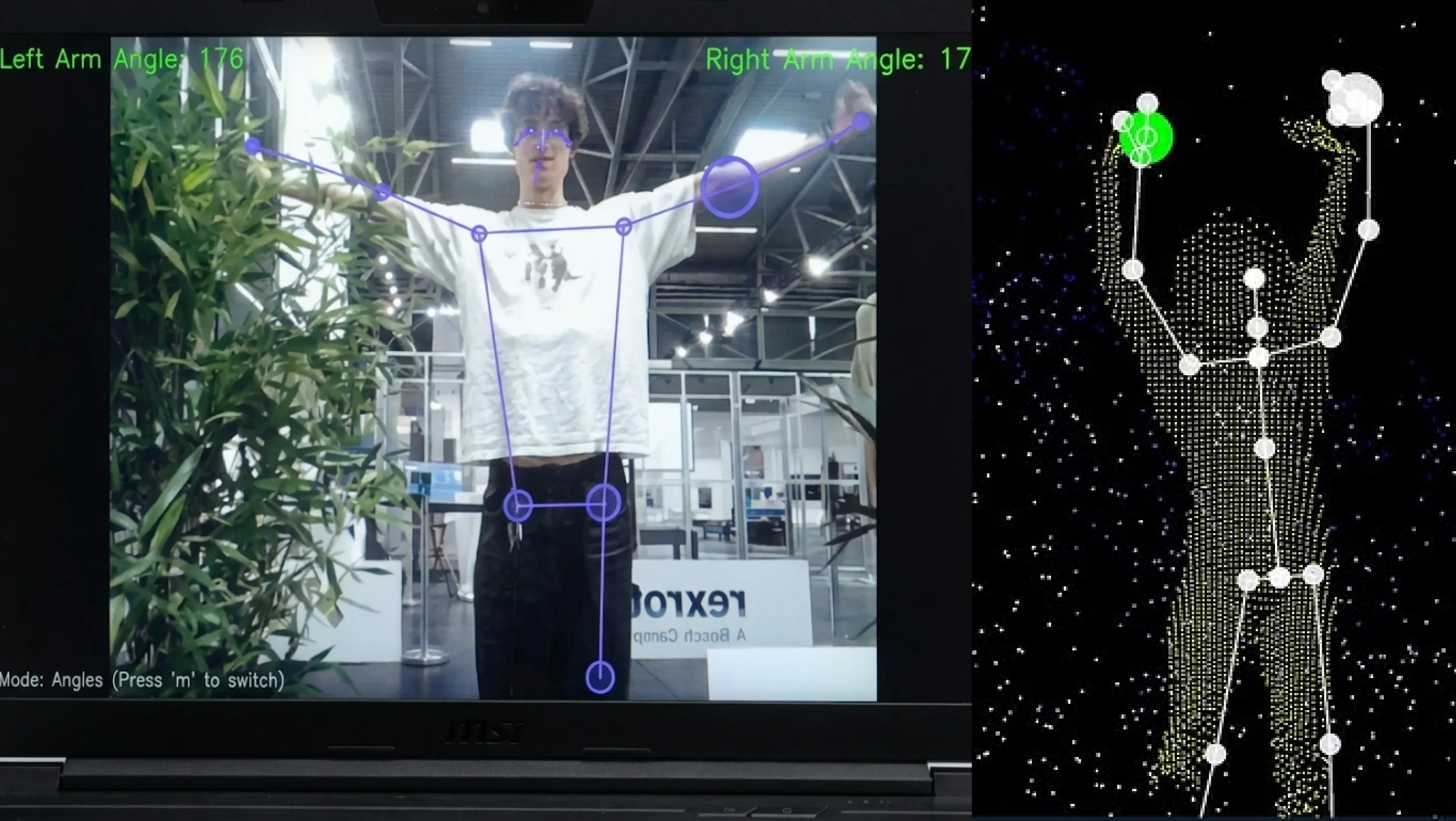
The goal was to develop a system that combines technical complexity (computer vision, motion transfer, mechanics) with intuitive and direct interaction. This required both robust motion detection and a clear, understandable visual translation of movement.
Concept & Implementation
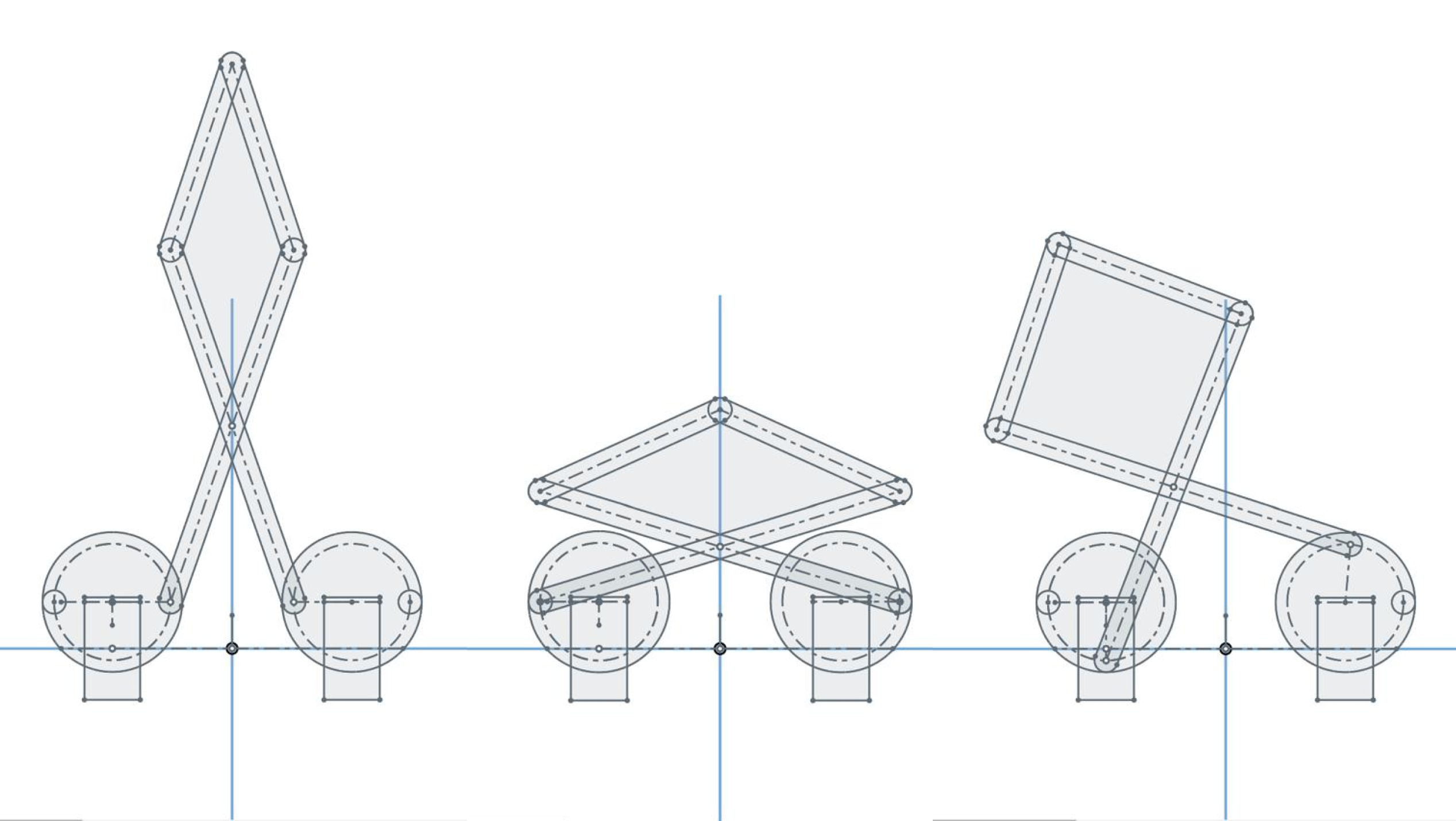
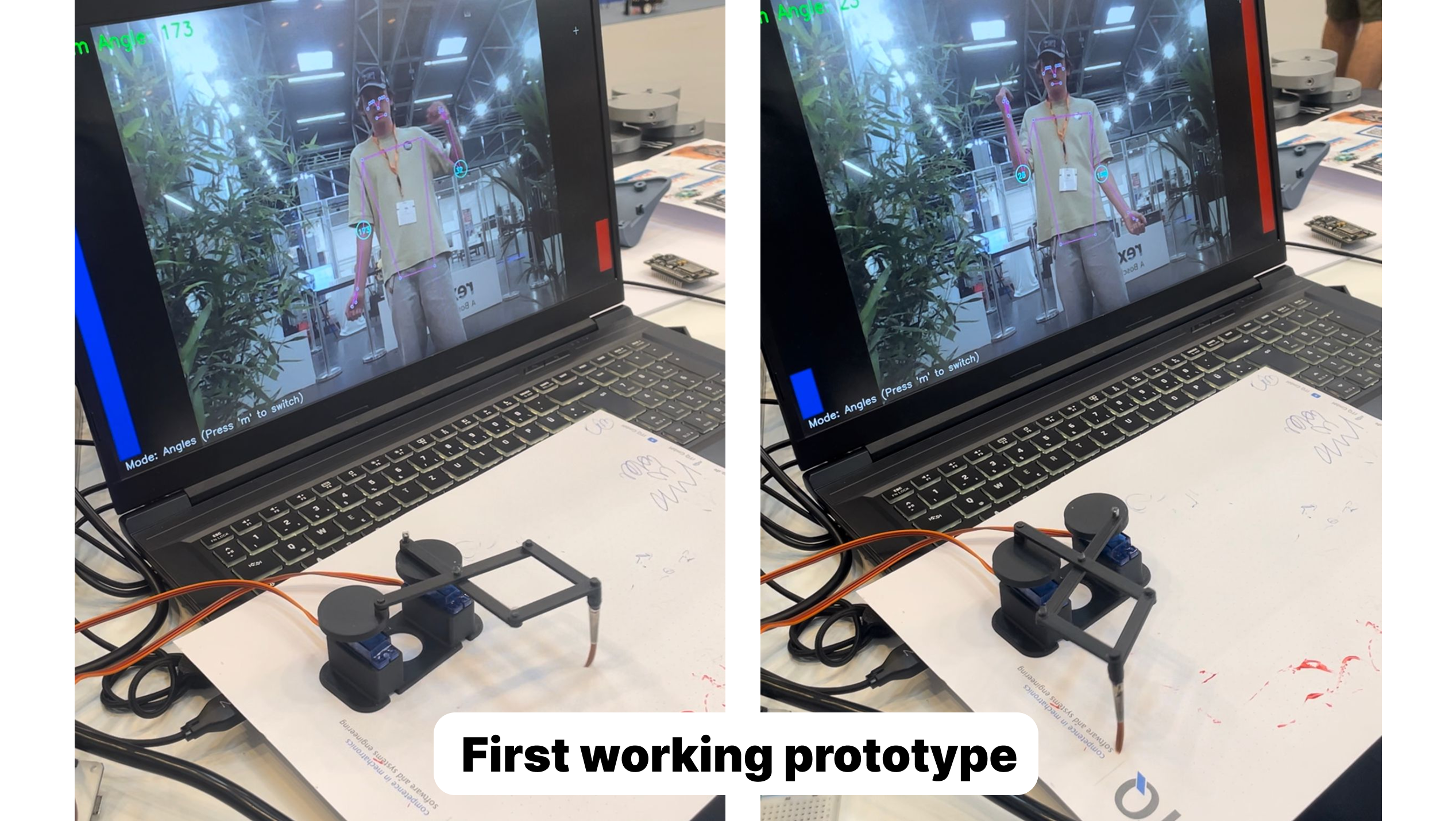
Development of a system consisting of webcam-based body tracking (computer vision) and a mechatronic drawing machine. The movements of the left and right sides of the body are interpreted in real time and mapped to two motor axes, which generate geometric shapes via a scissor mechanism. The iterative design process included form studies, prototyping, and usability testing to optimize both functionality and the overall exhibition experience.
Showroom

Scoopy
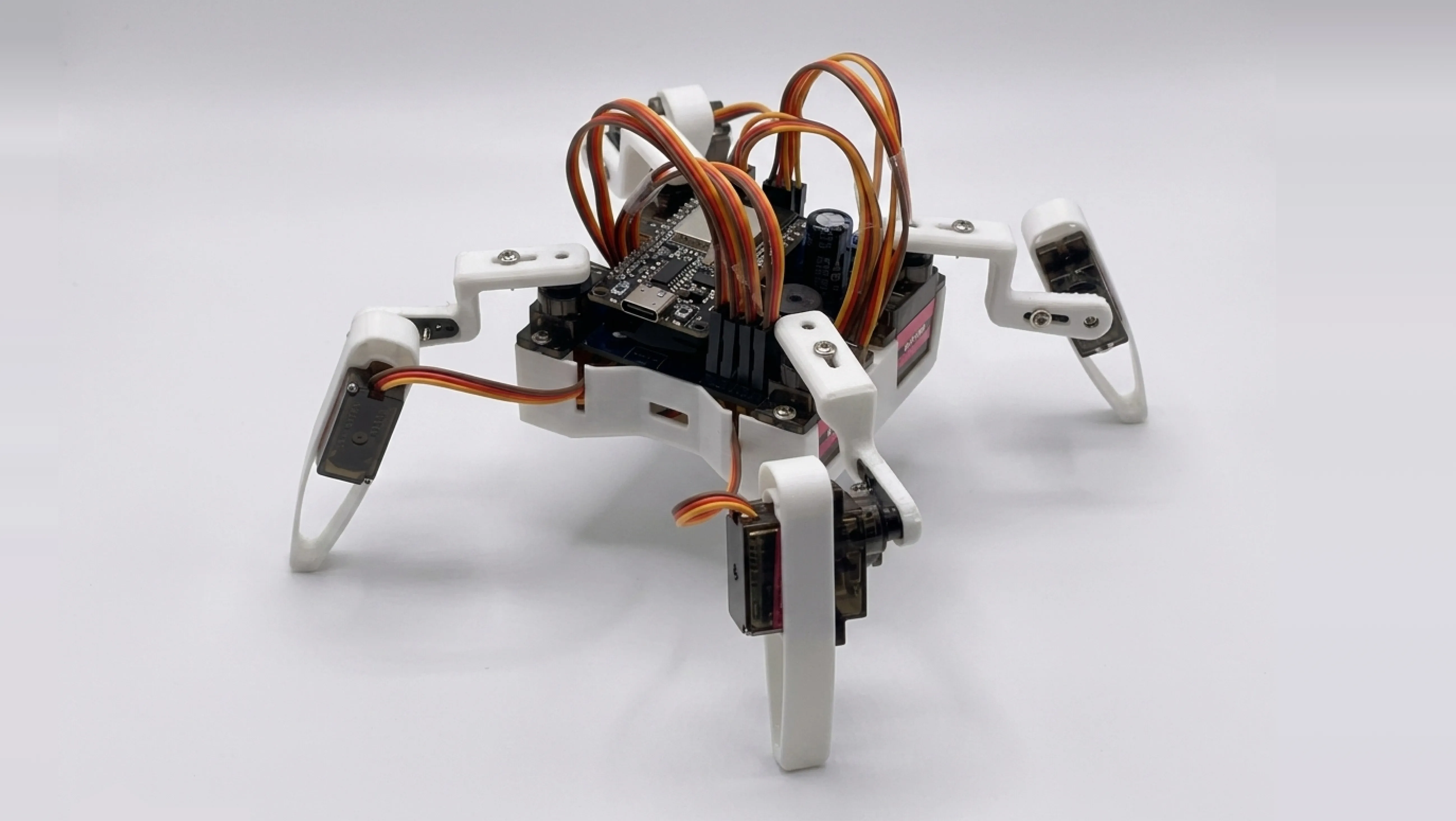
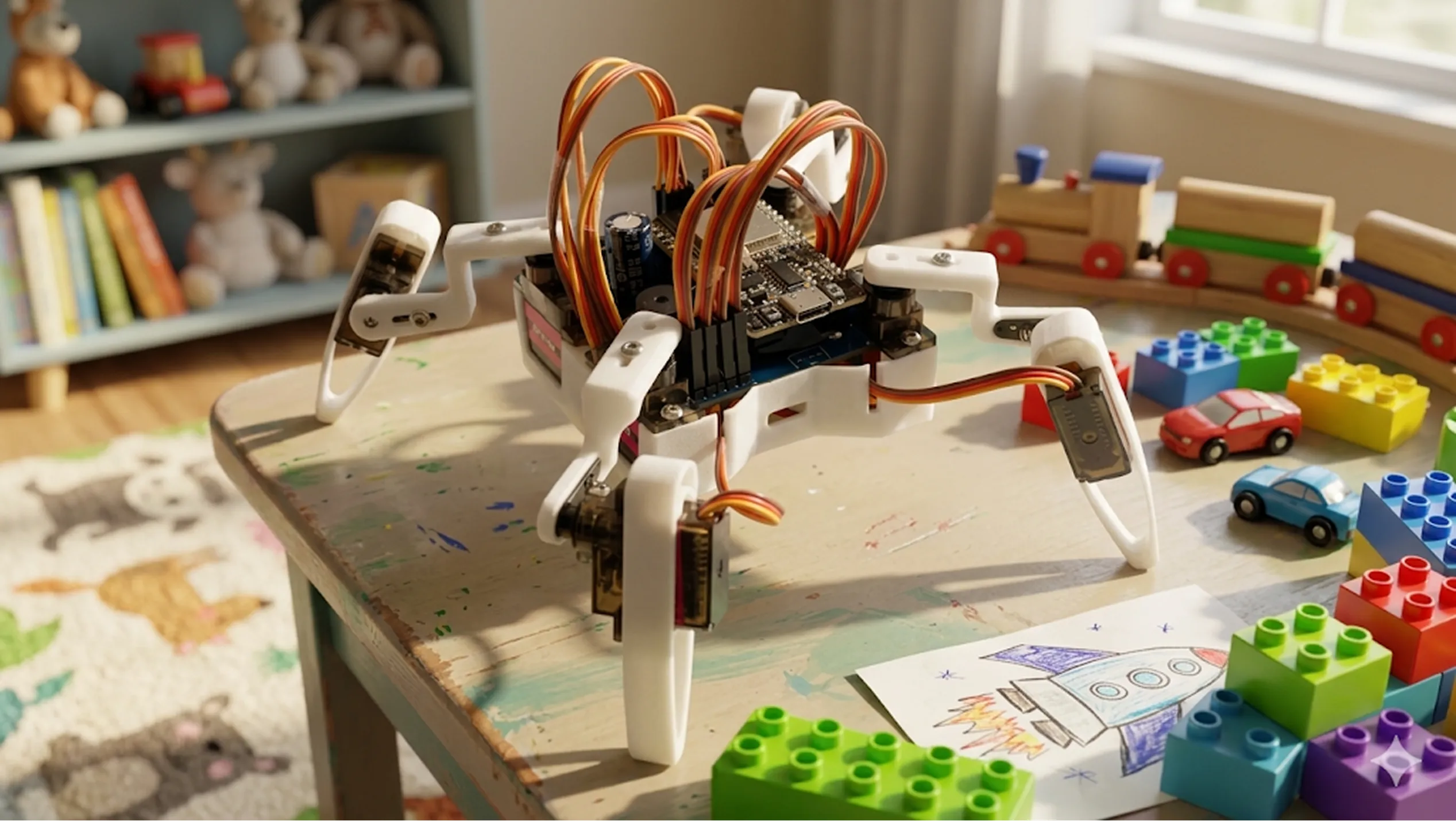
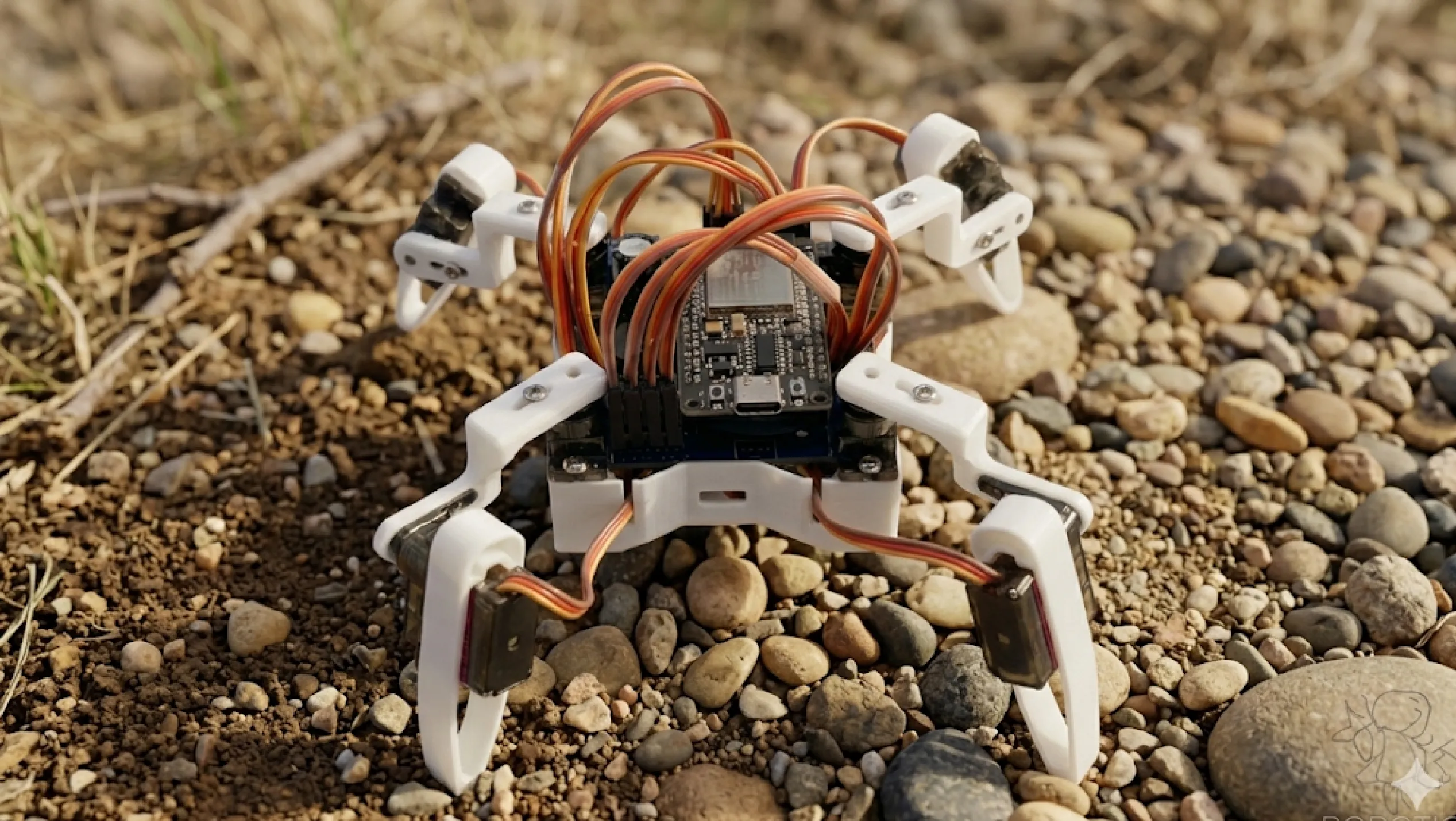
Modular robot for human-machine interaction
Overview
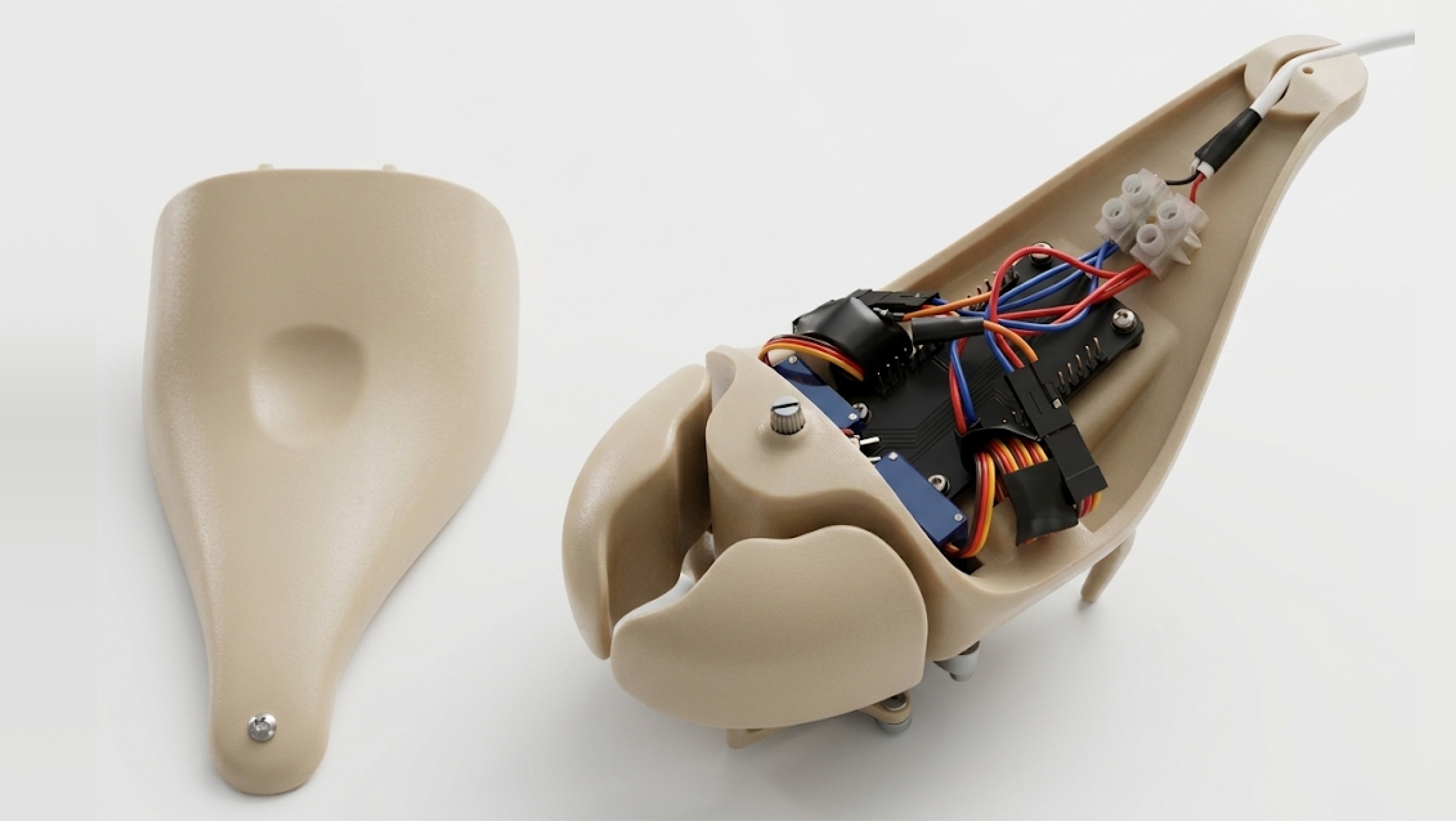
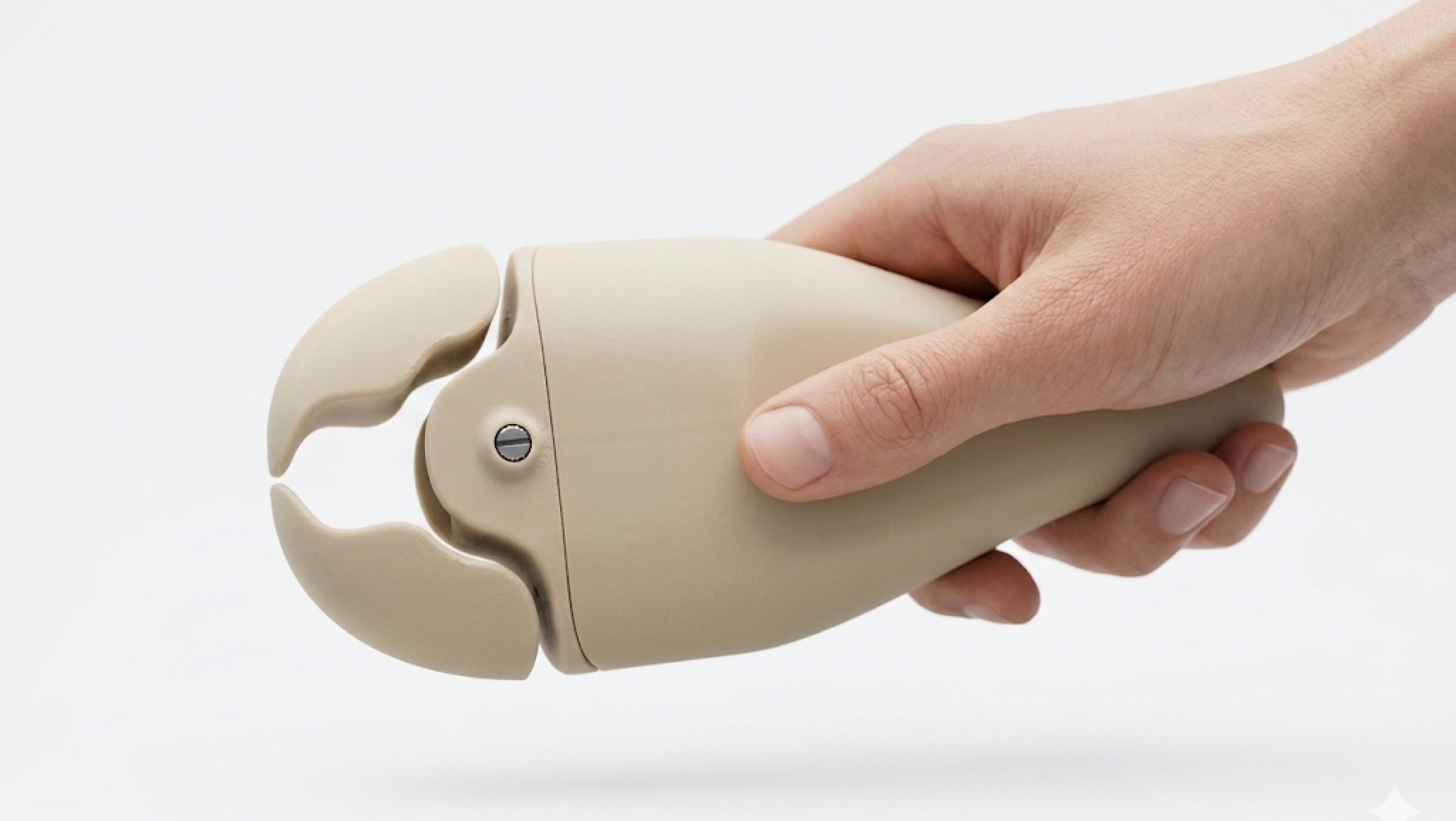
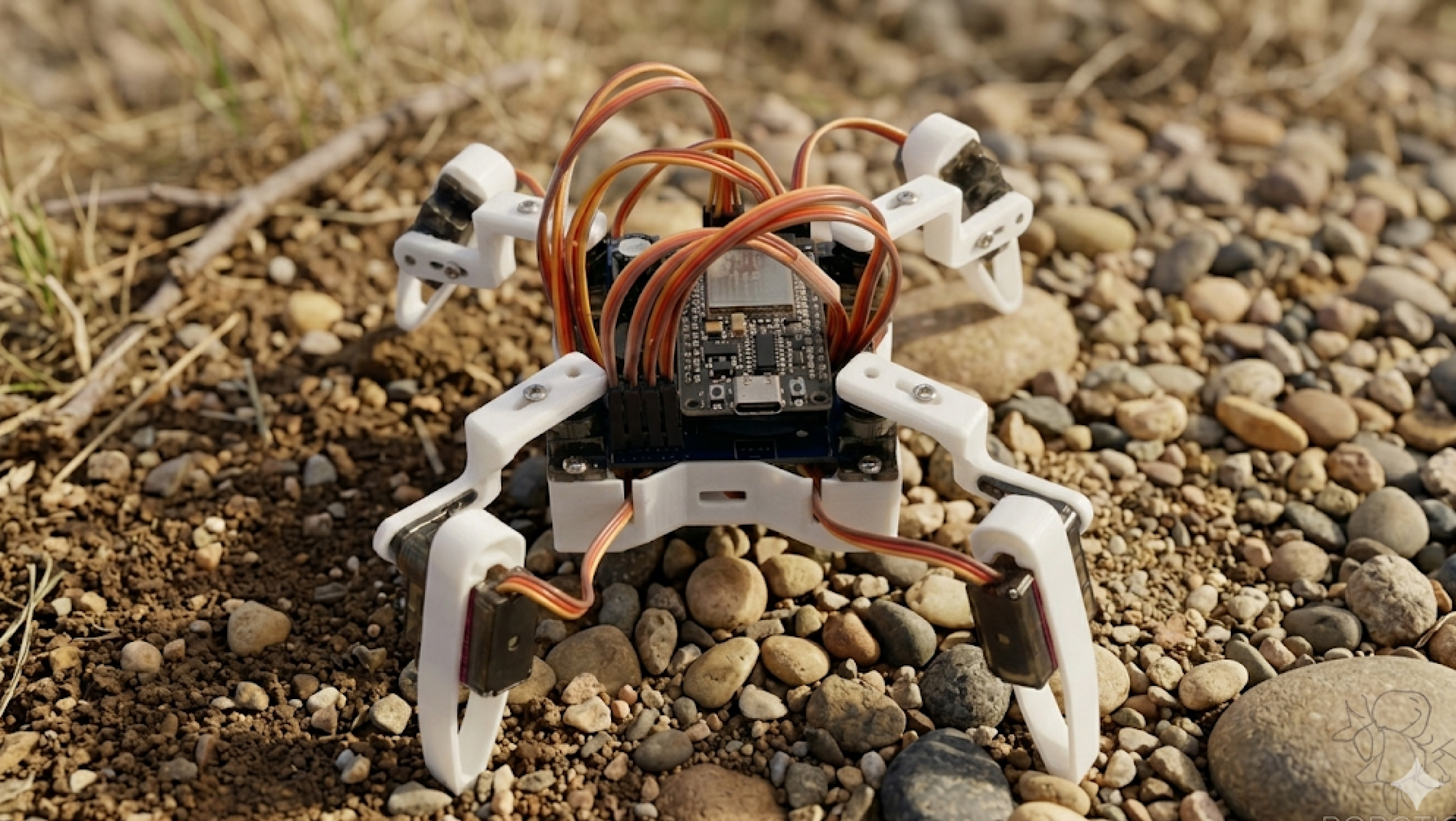
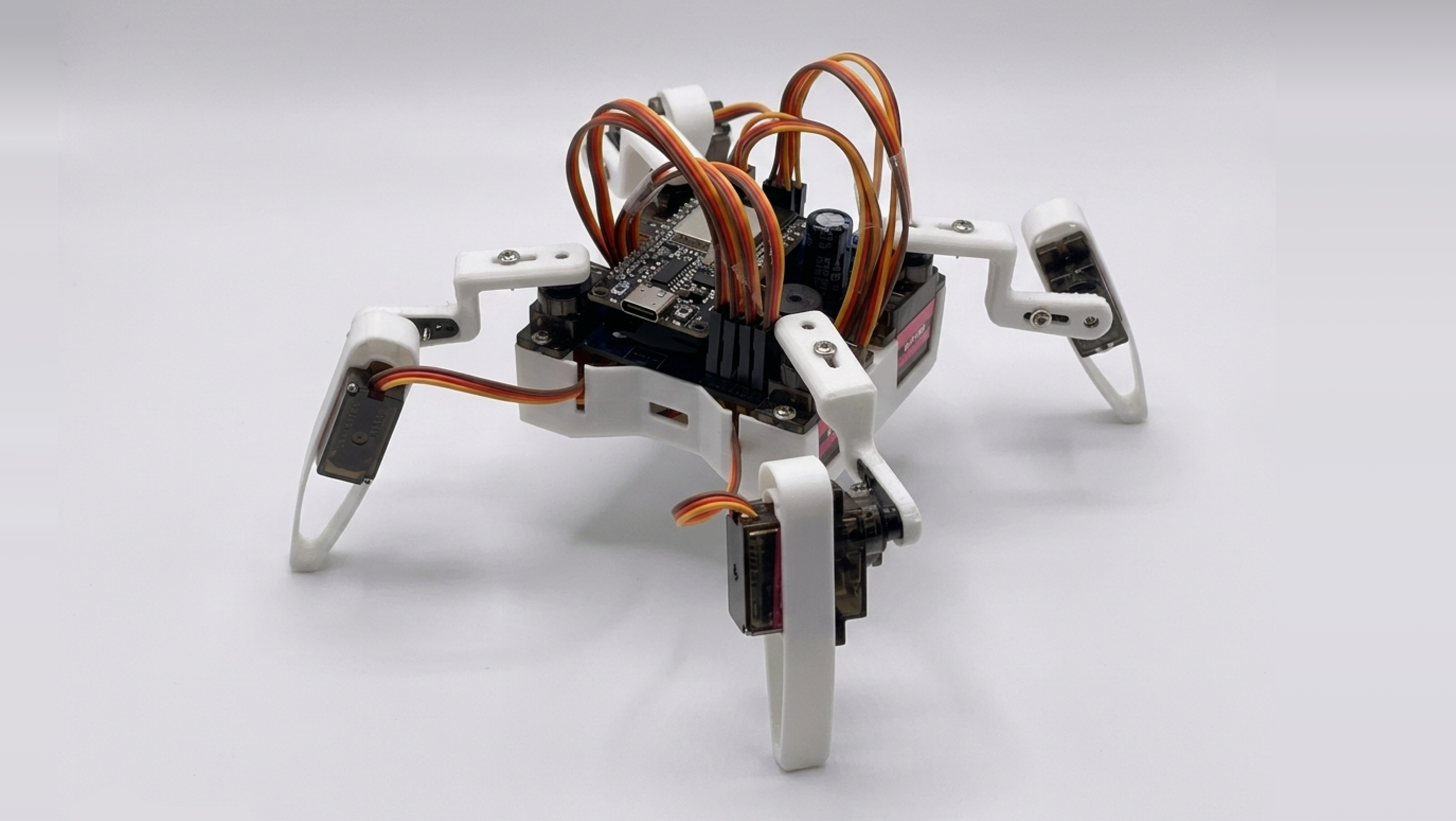
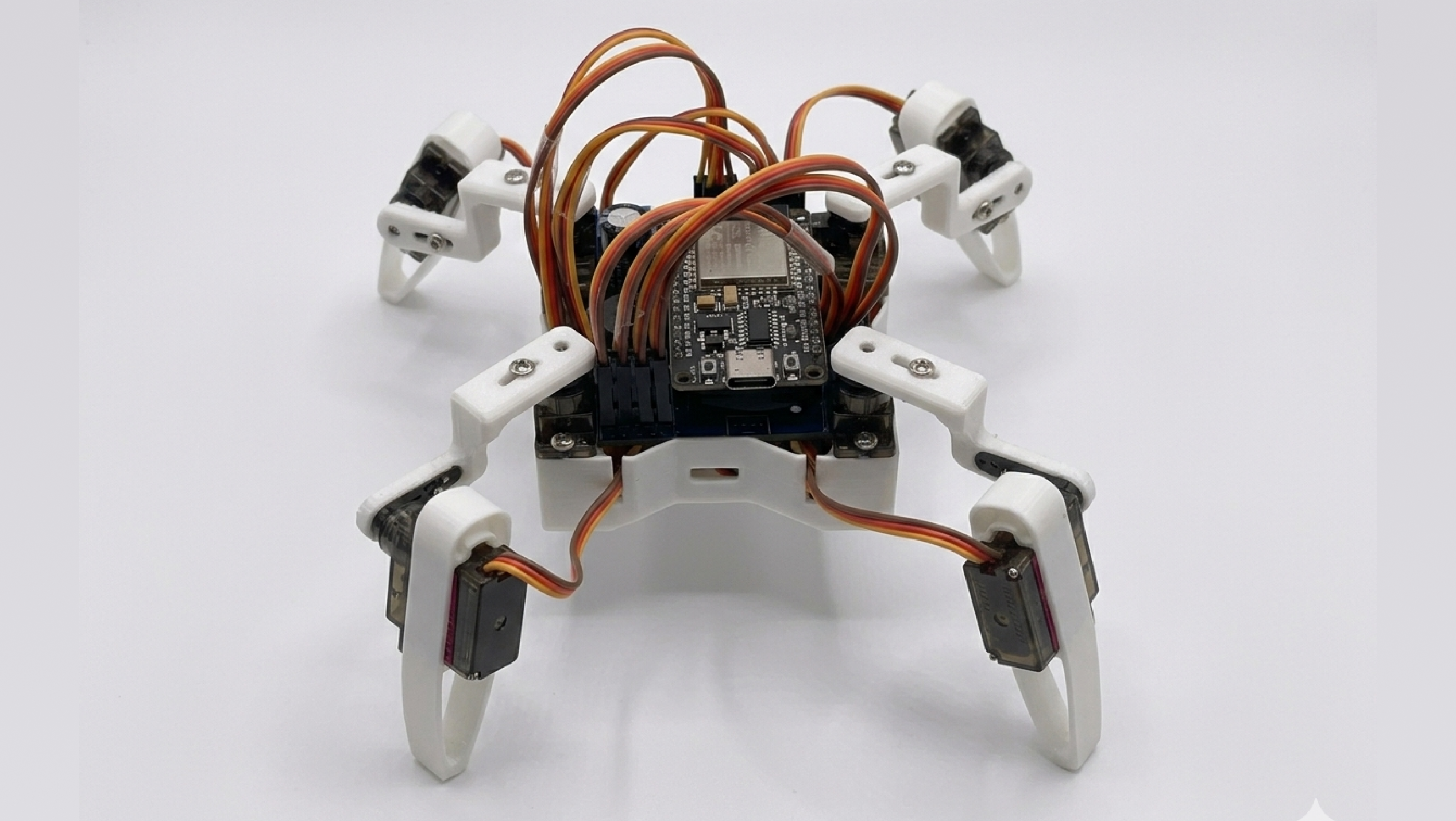
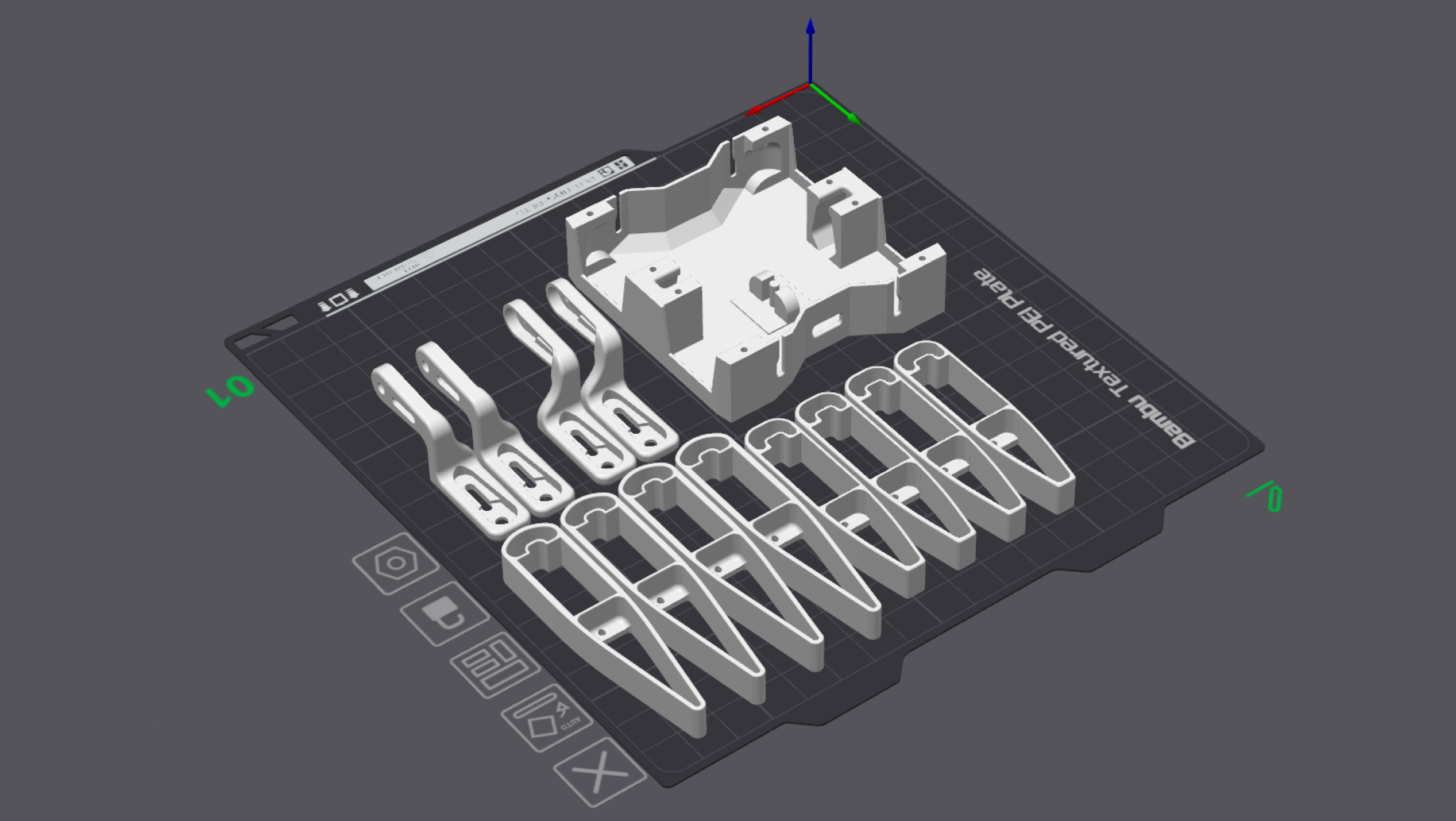
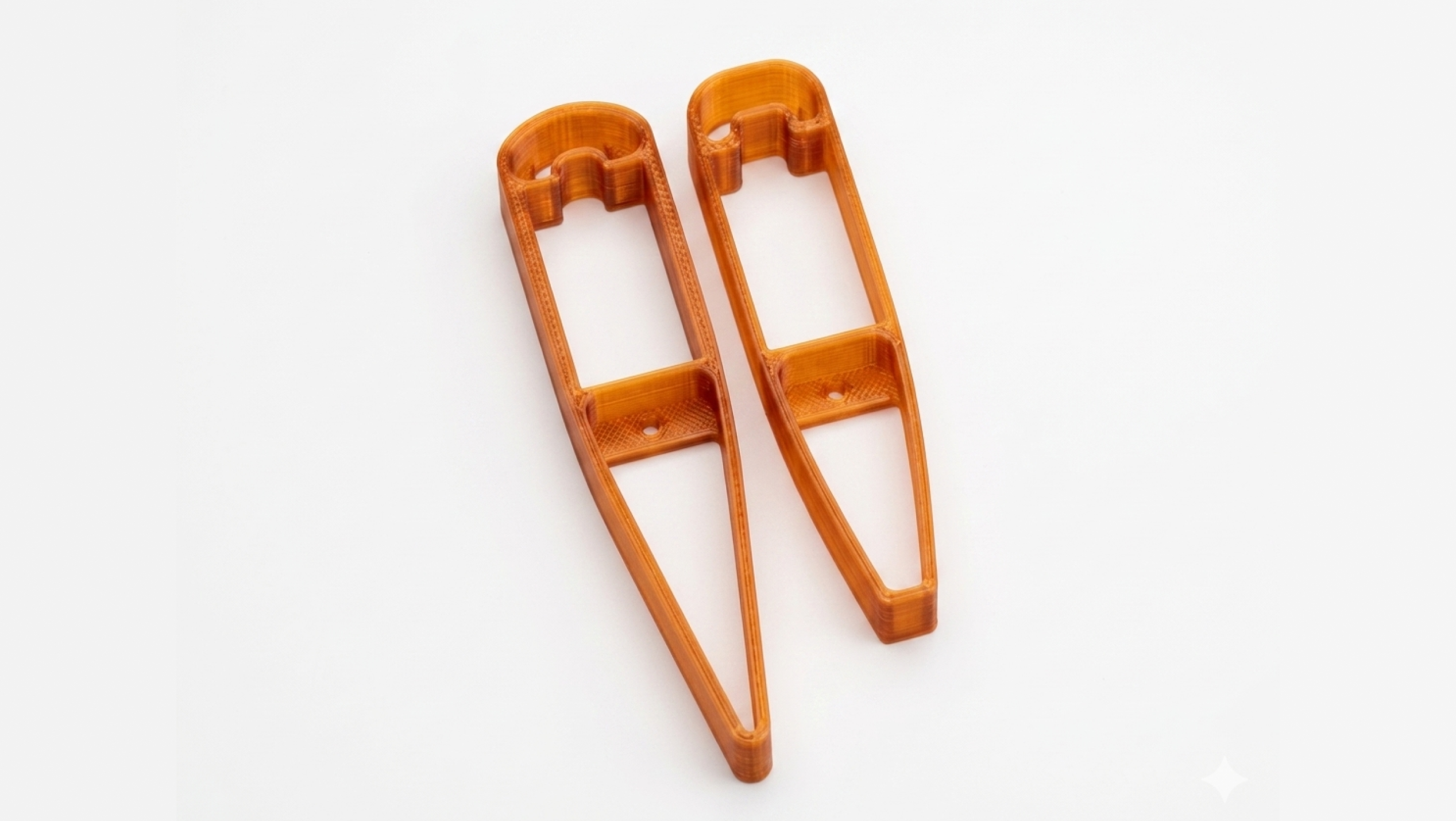
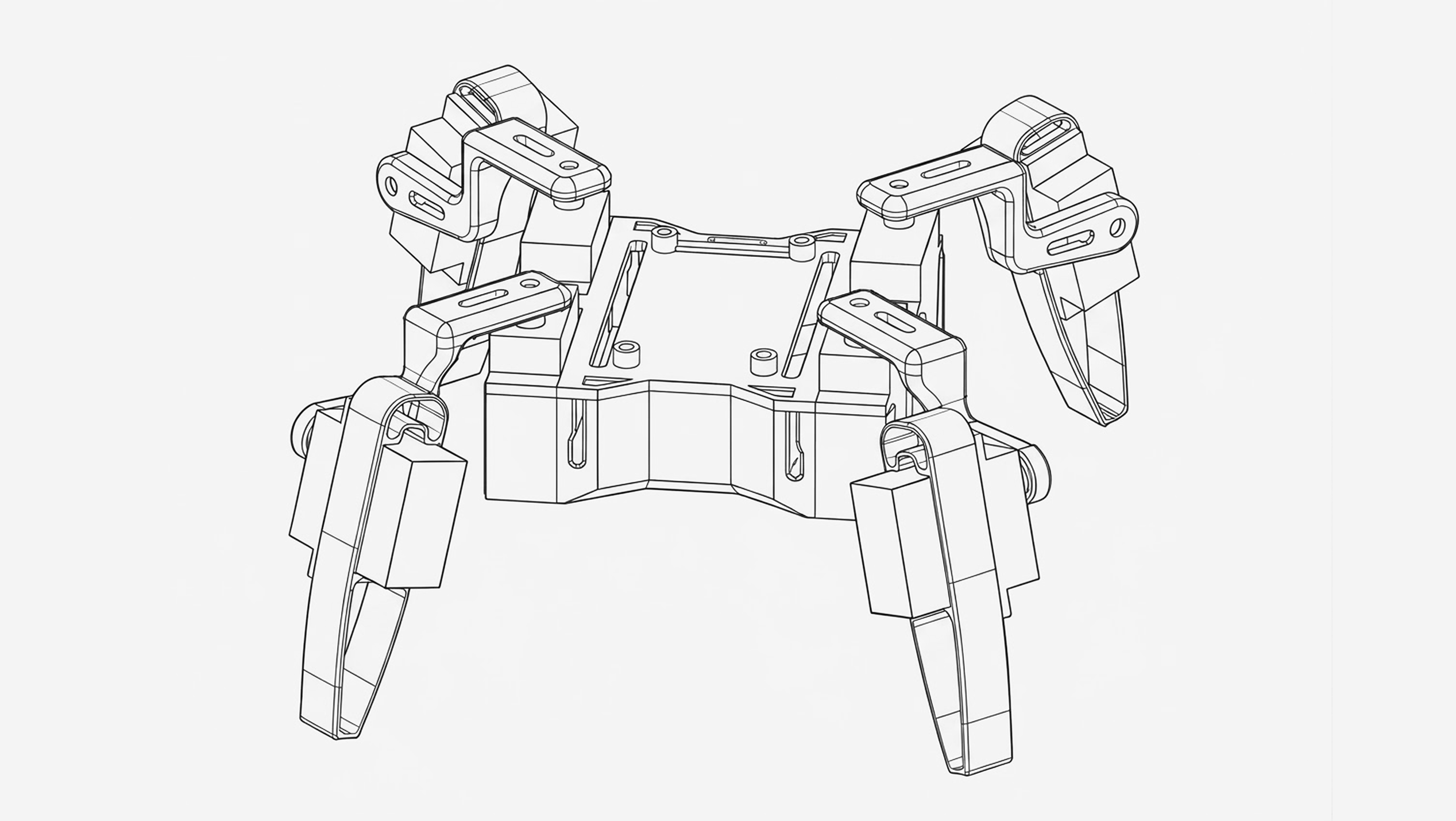
Scoopy is a servo-driven, four-legged robot with its own controller and Wi-Fi connectivity. As part of a study project, it was developed as an experimental system that combines functional locomotion with accessible, interactive design.
Challenge
In addition to the technical implementation of a walking robot, the goal was to systematically investigate and reduce barriers to entry in robotics. This required a thoughtful combination of functional movement and trust-building behavior.
Concept & Implementation
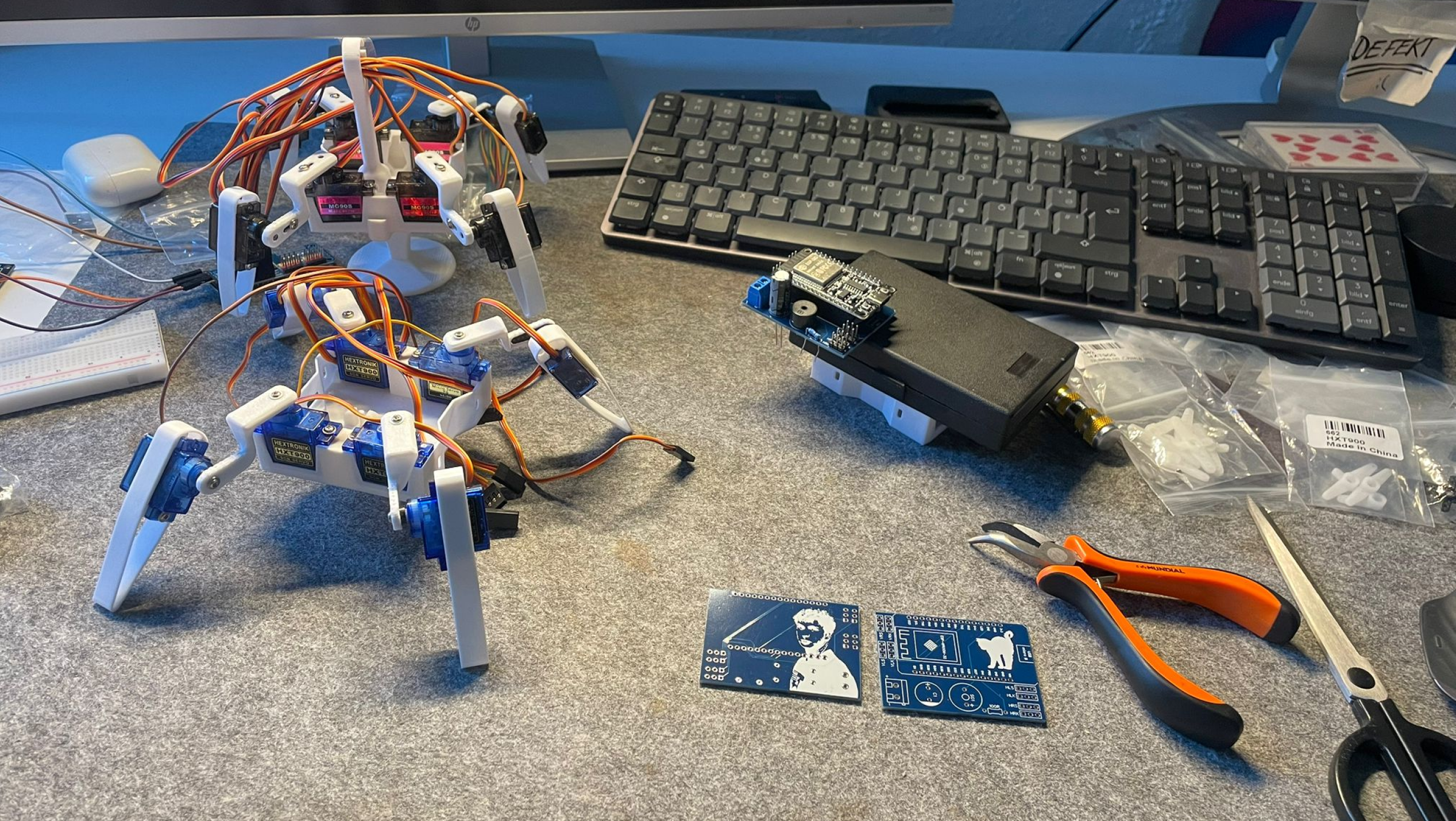
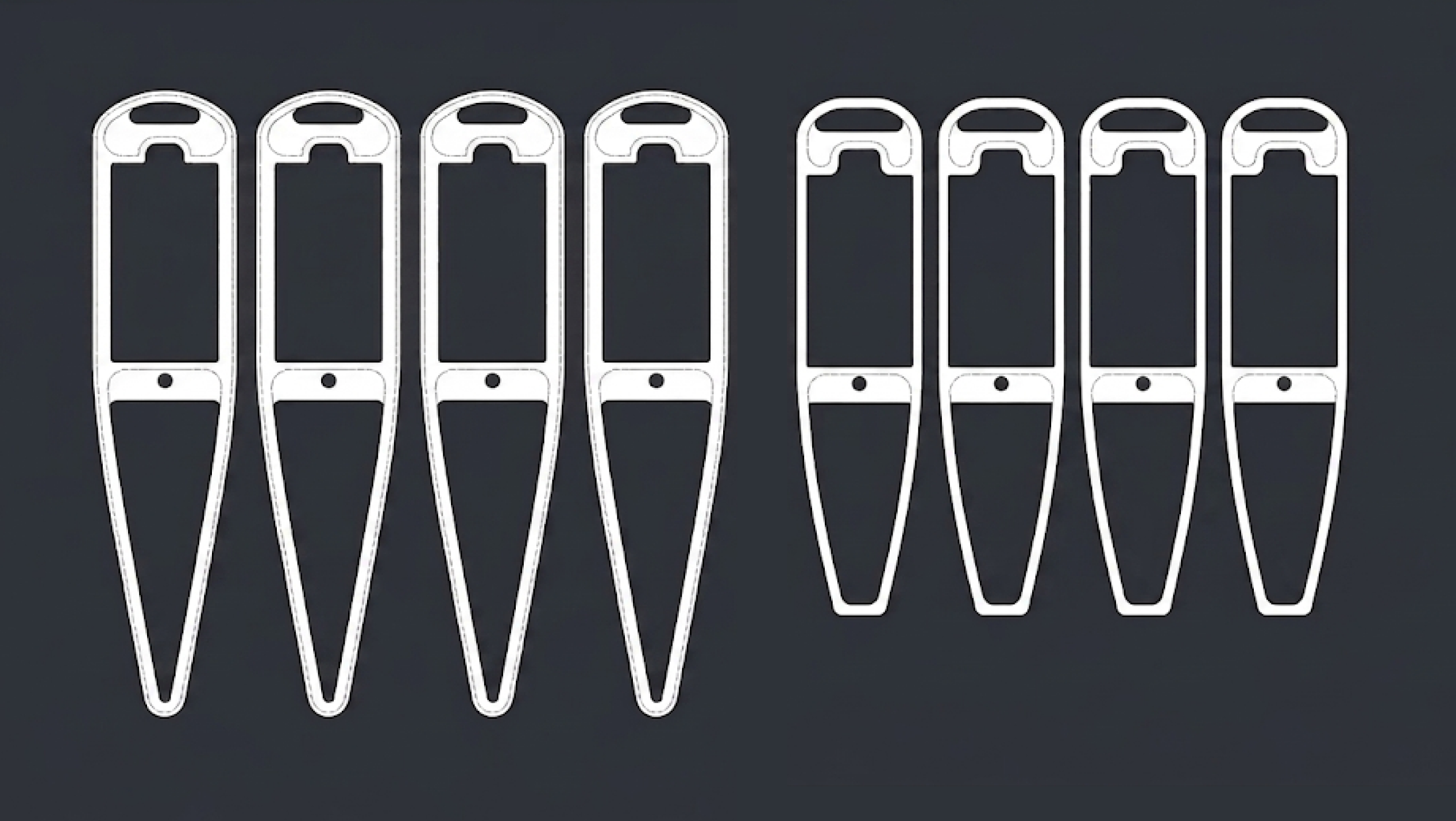
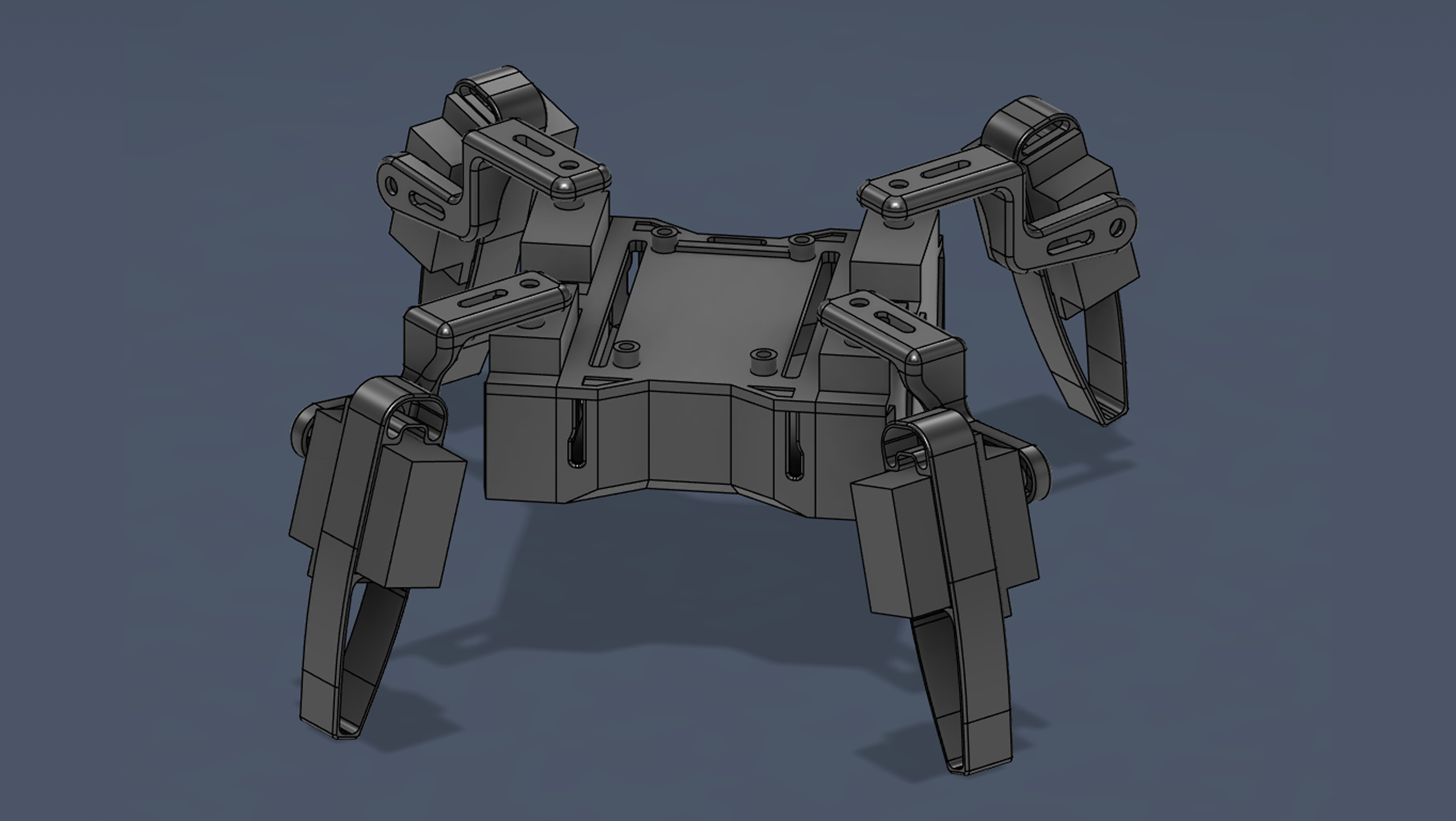
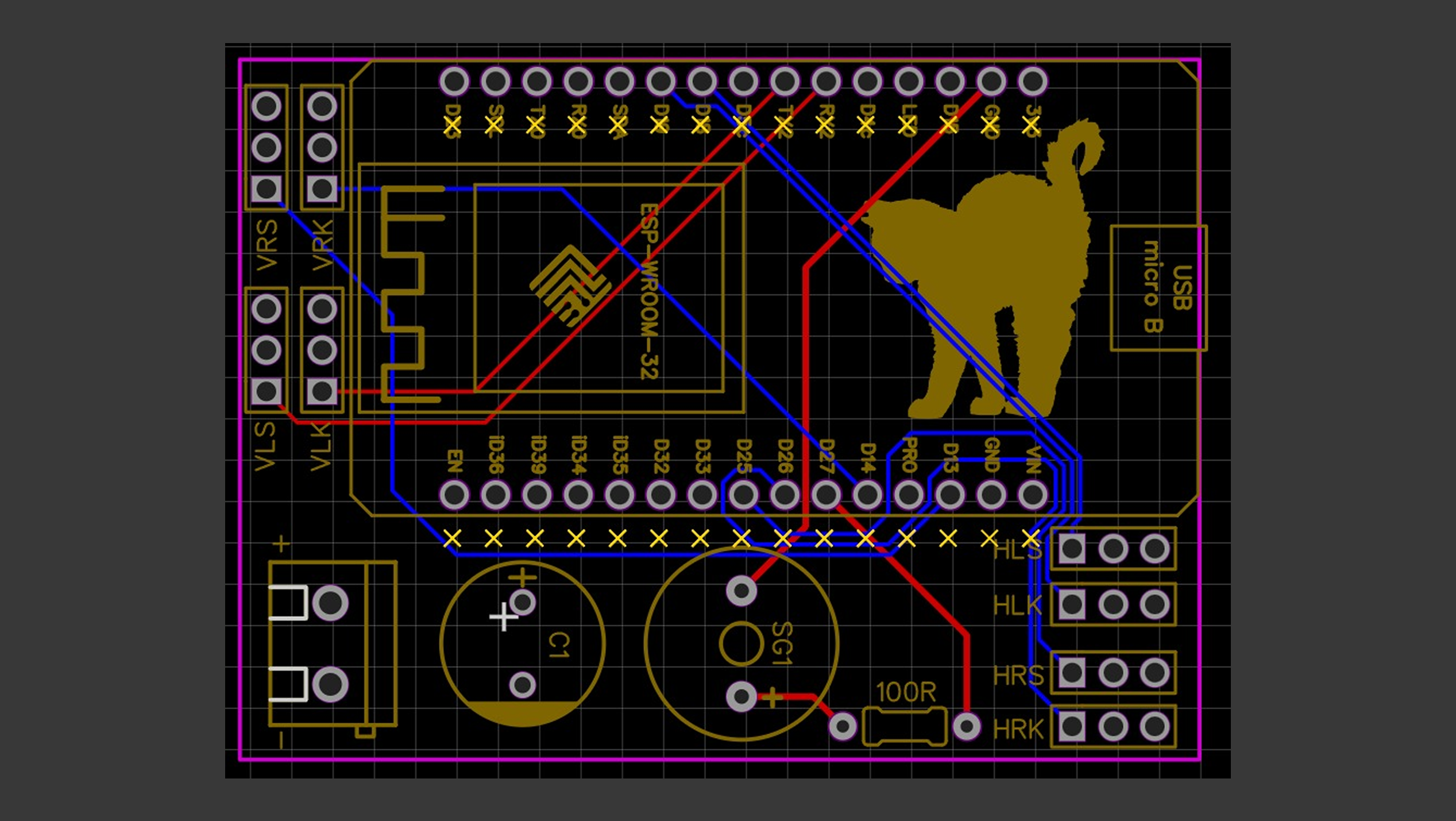
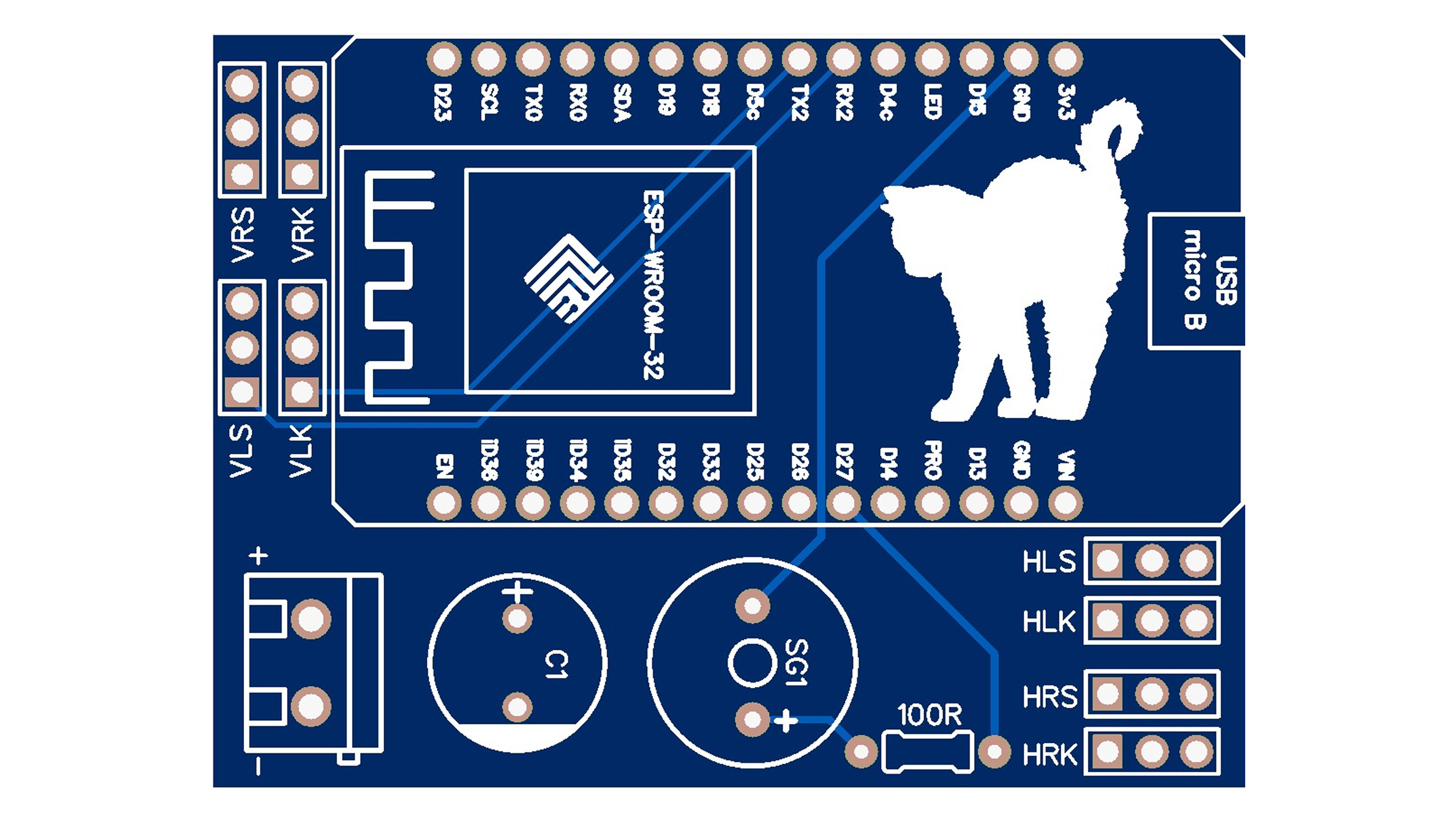
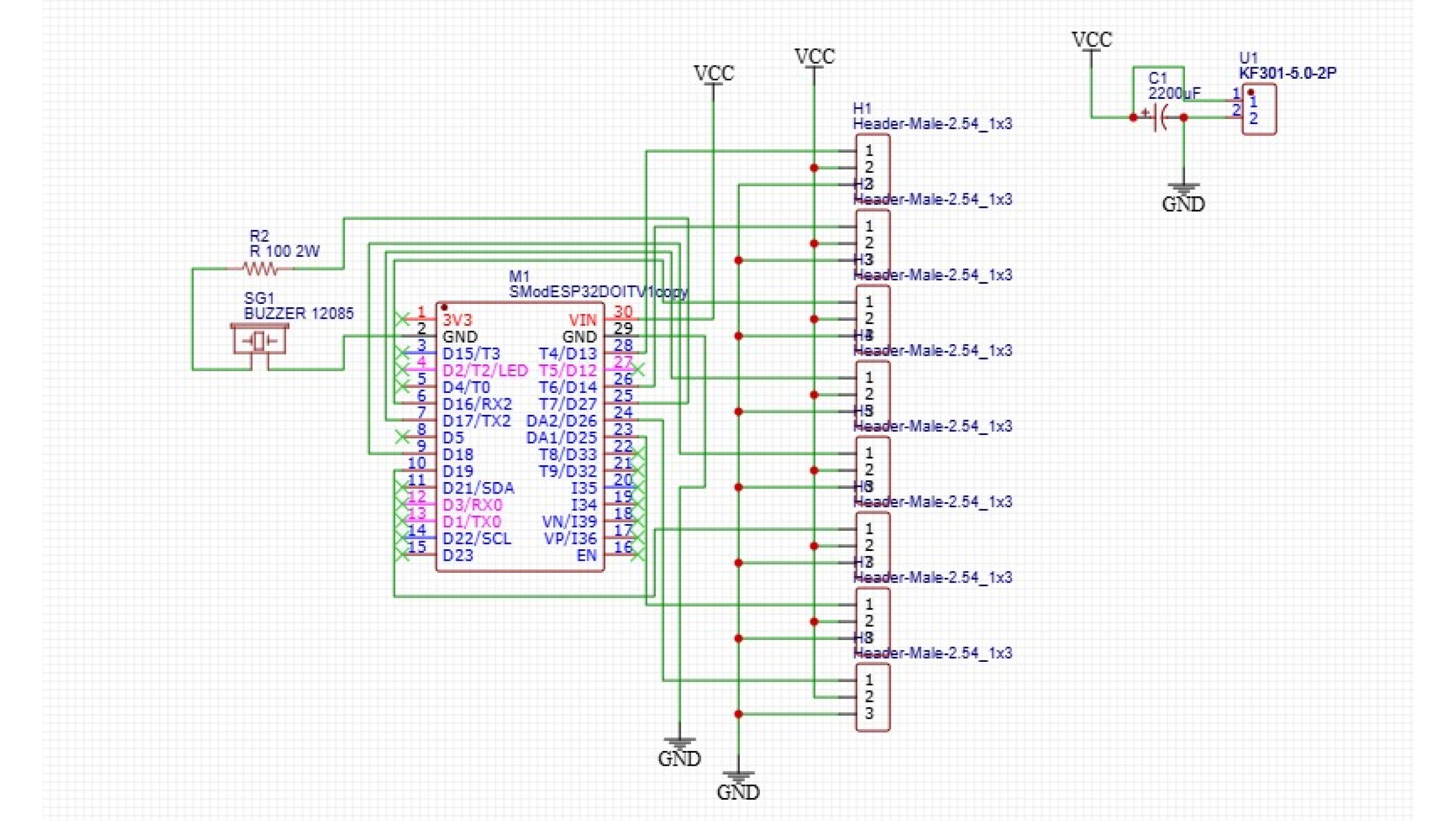
Development of a modular robot system including CAD design, custom PCB design, and controller programming. Through a behavior design approach, movements, gestures, and sounds are are intentionally used to make interaction intuitive and to build trust in the system.
Showroom
Memora
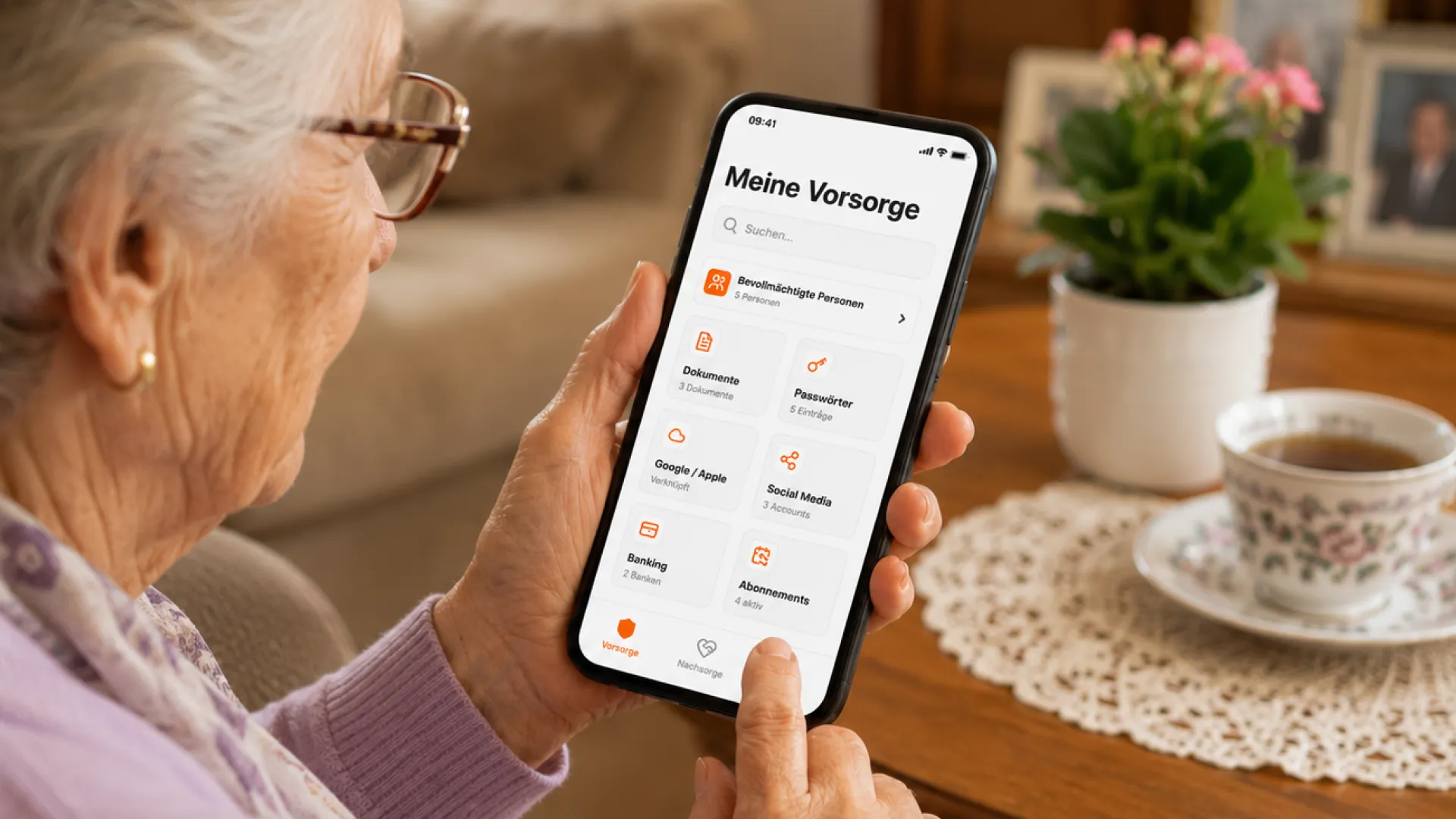
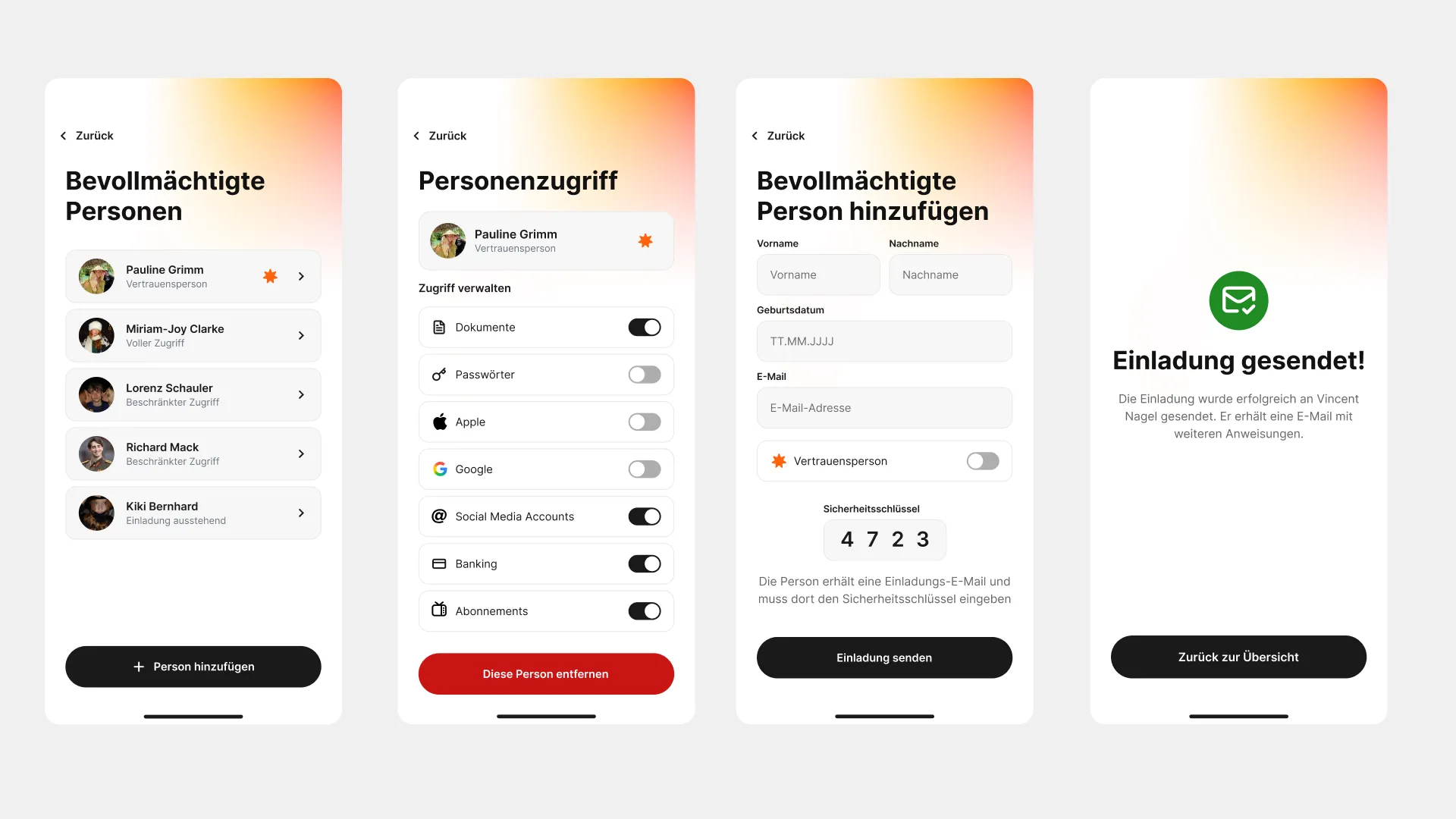
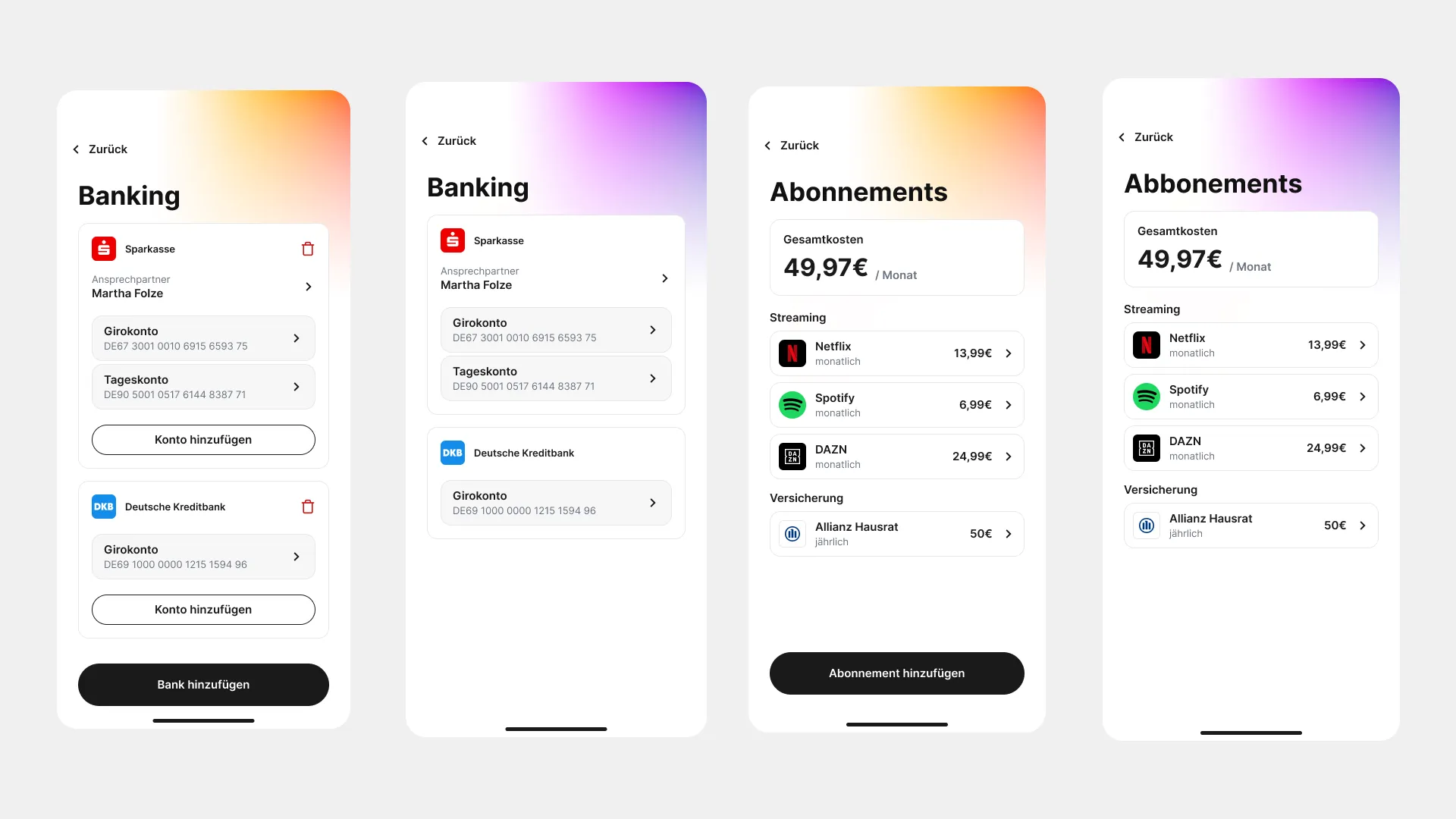
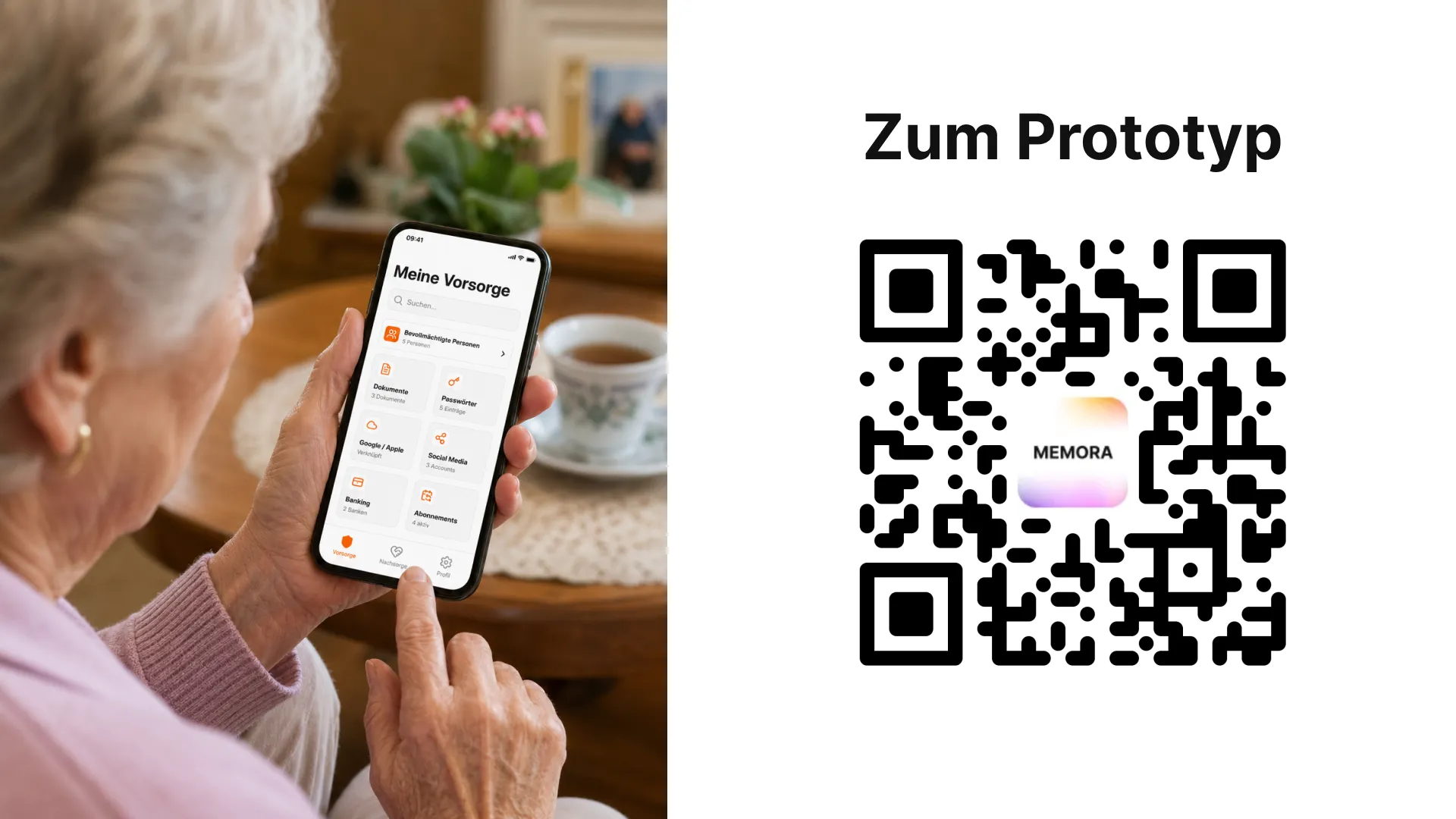
Comprehensive interface design & agile process architecture for a digital estate and advance care planning application
Overview
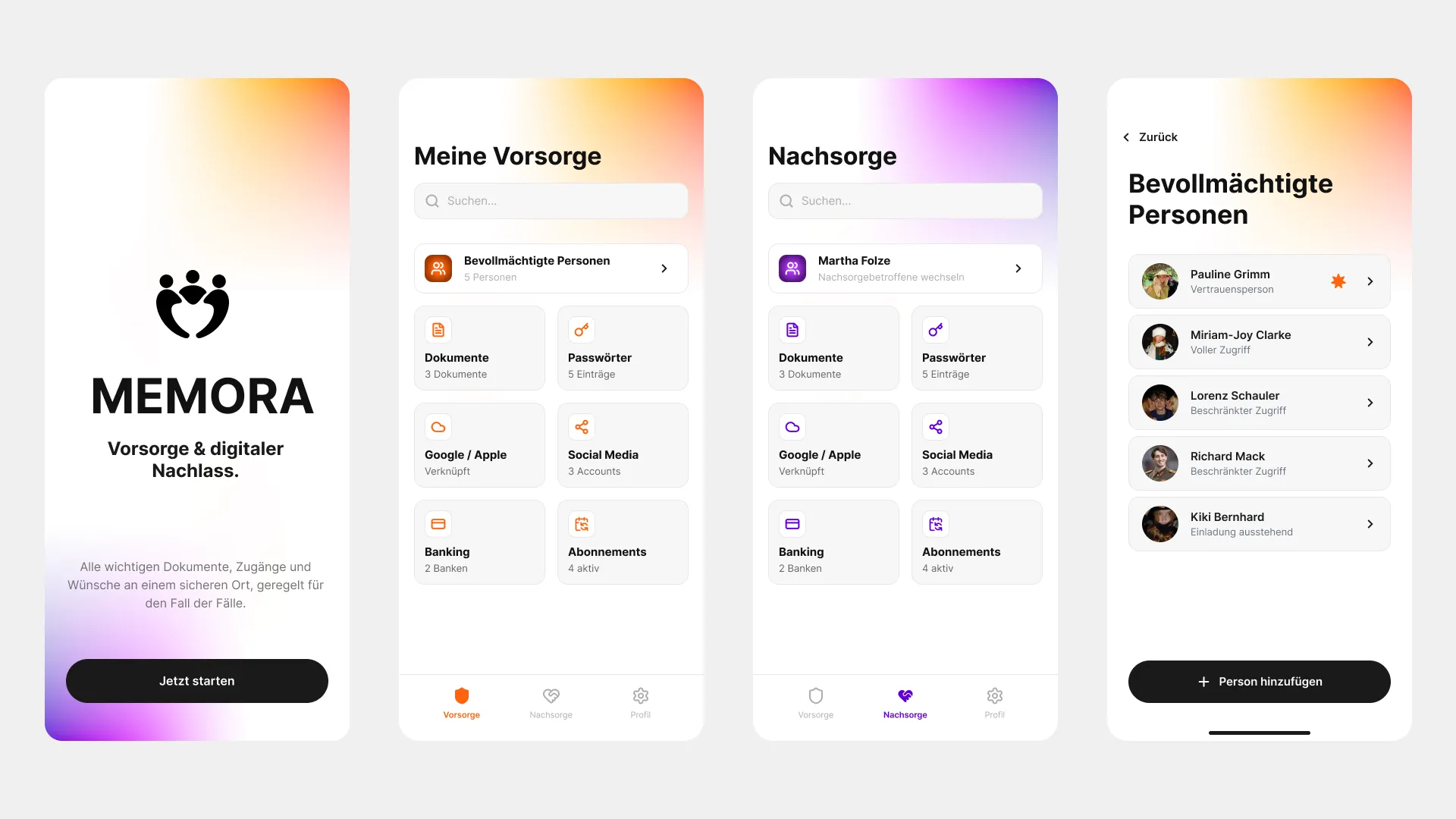
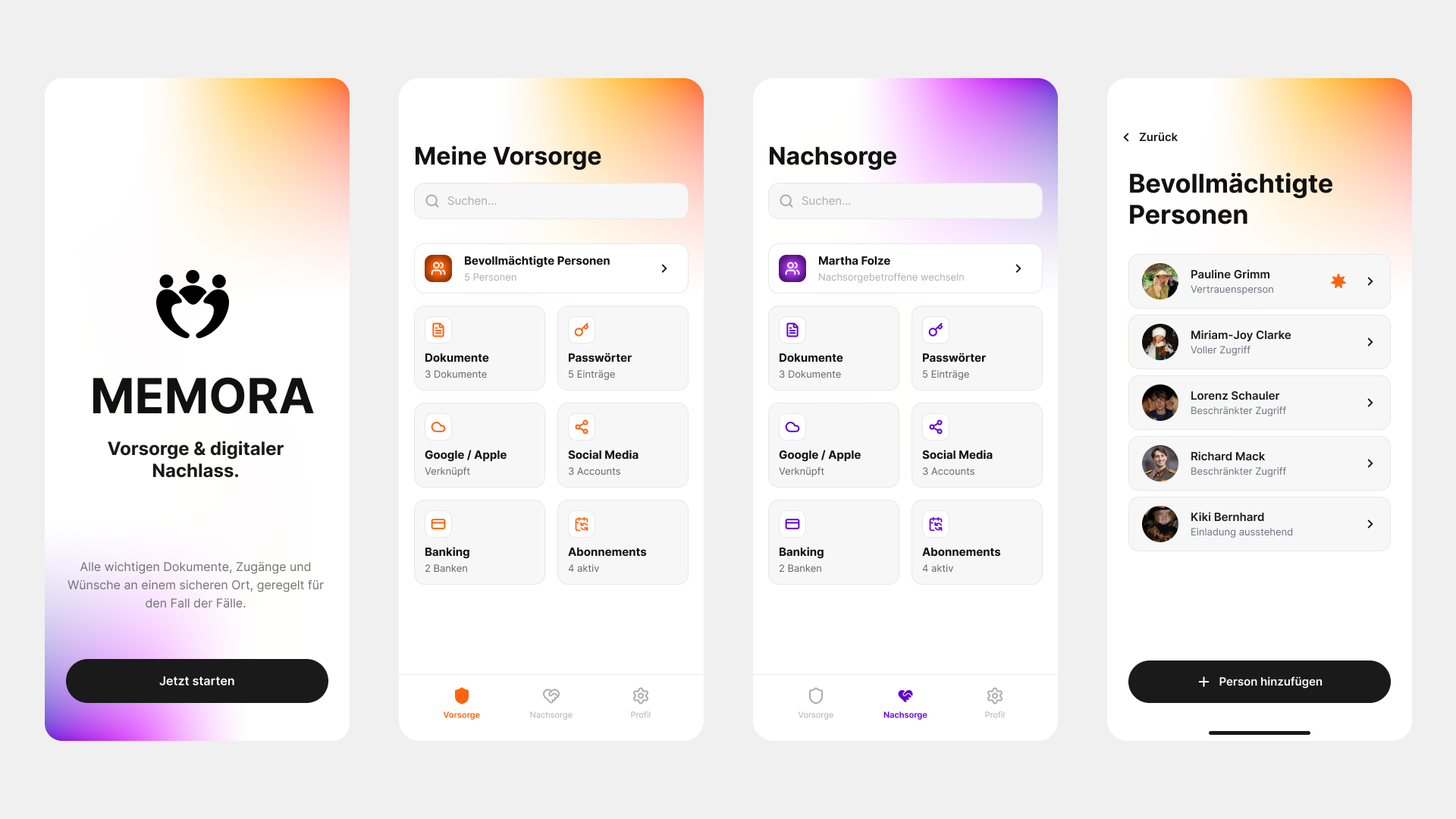
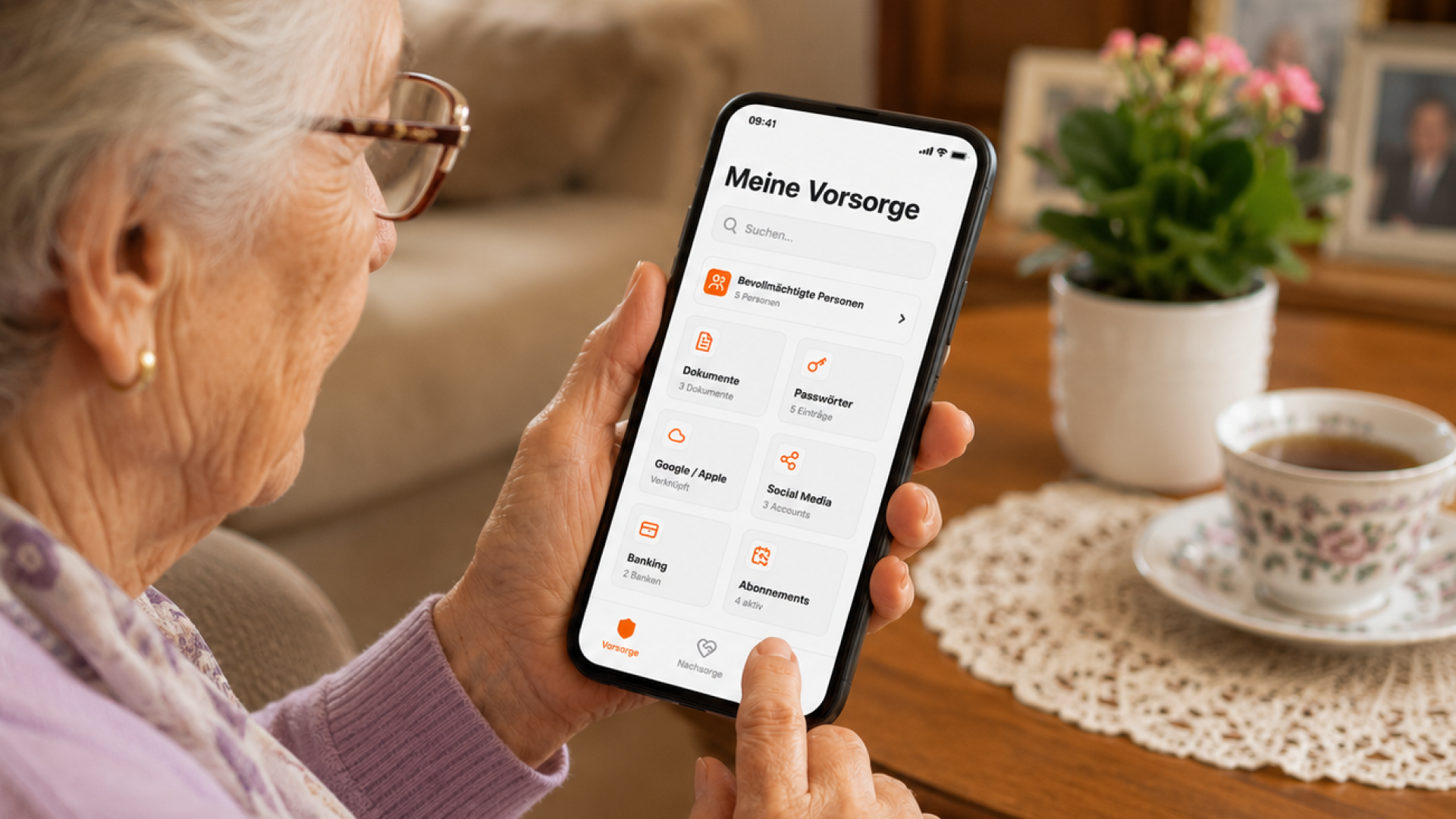
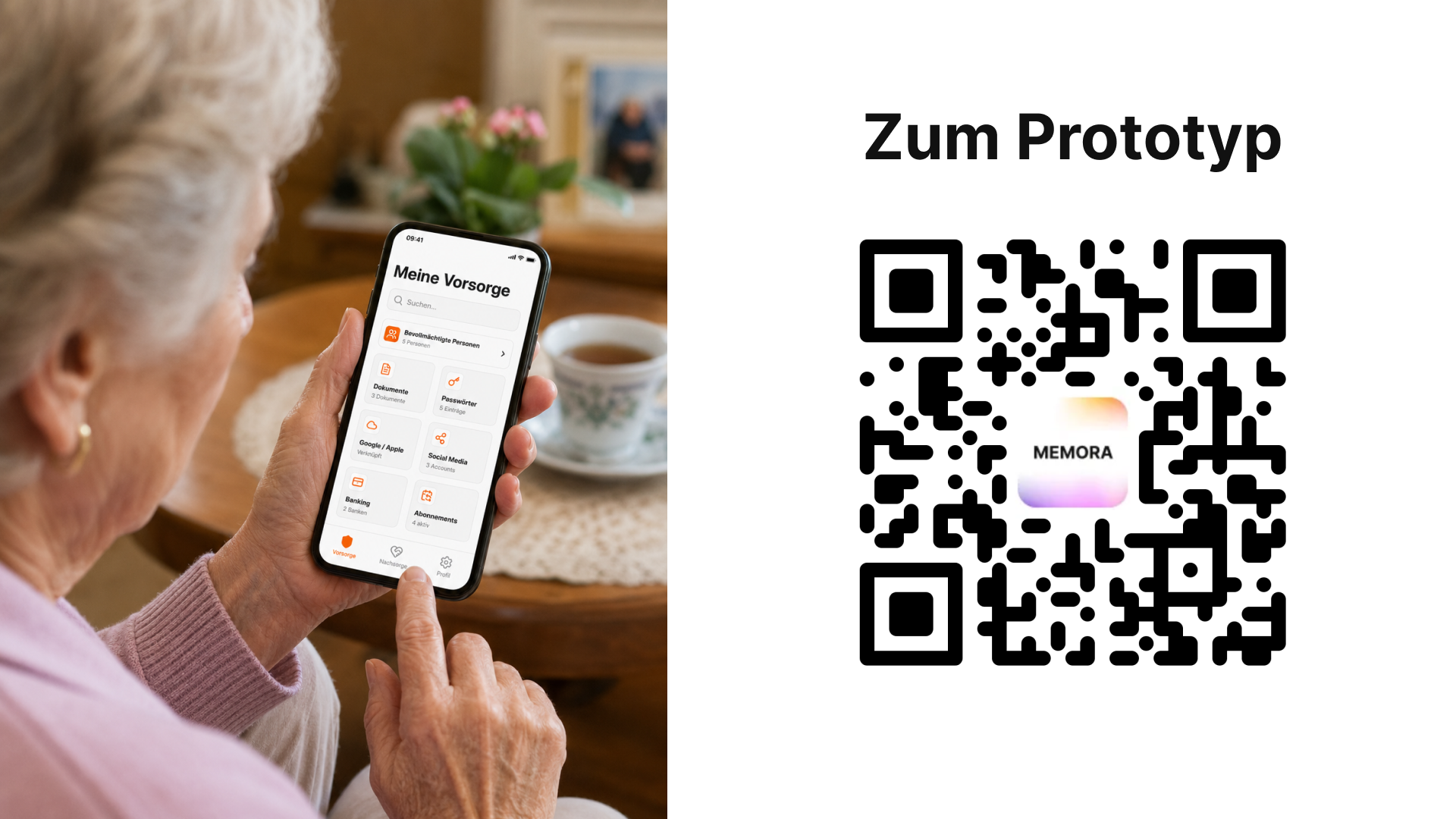
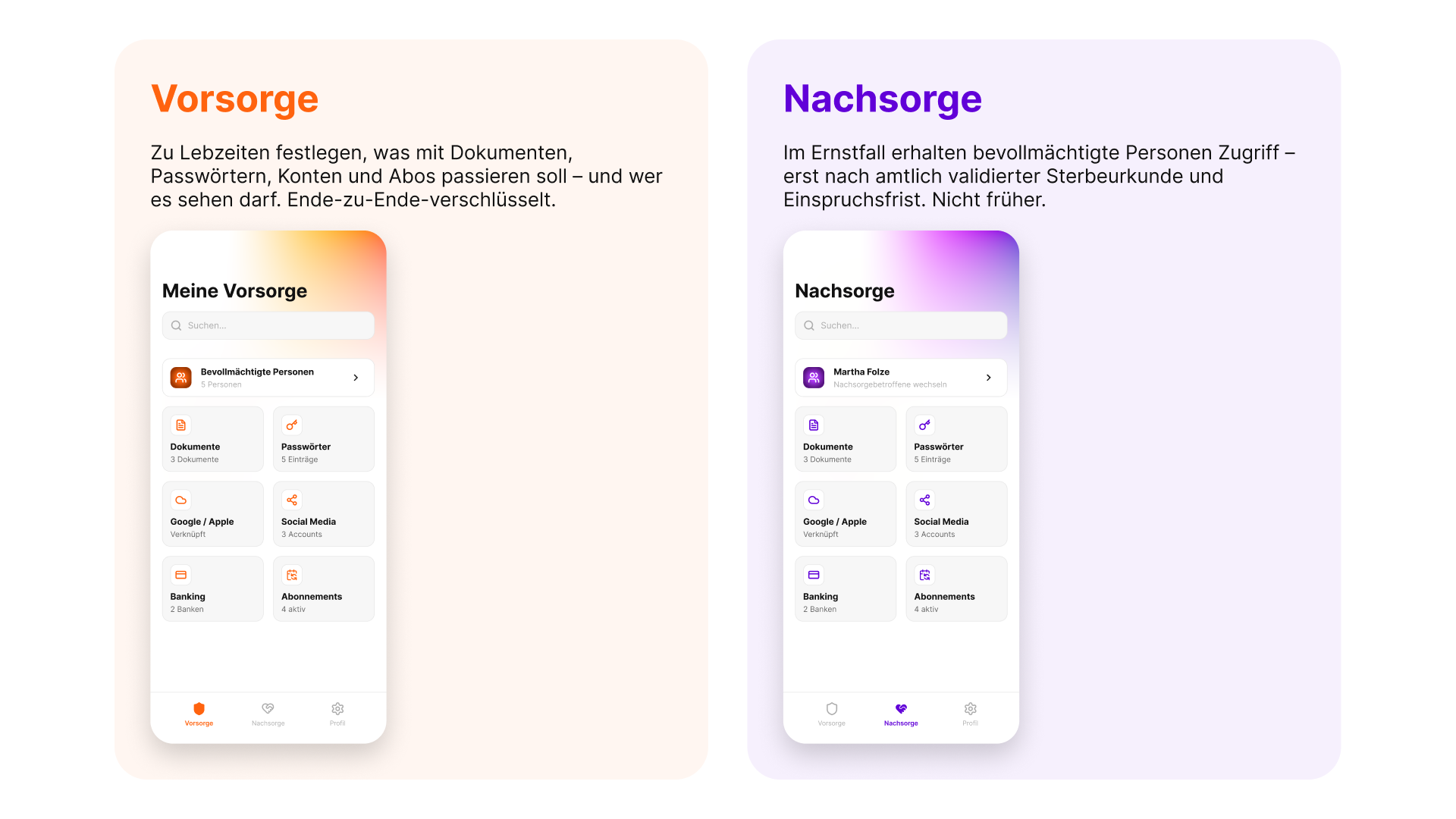
Memora is a digital platform designed for the sensitive management of healthcare proxies, passwords, contracts, and estate dispositions. The application allows users to securely organize personal data while defining complex authorization structures for family members and trusted individuals in cases of emergency or bereavement. The project focused on balancing maximum functional security with an intuitive, empathetic user experience during emotionally challenging times.
Challenge
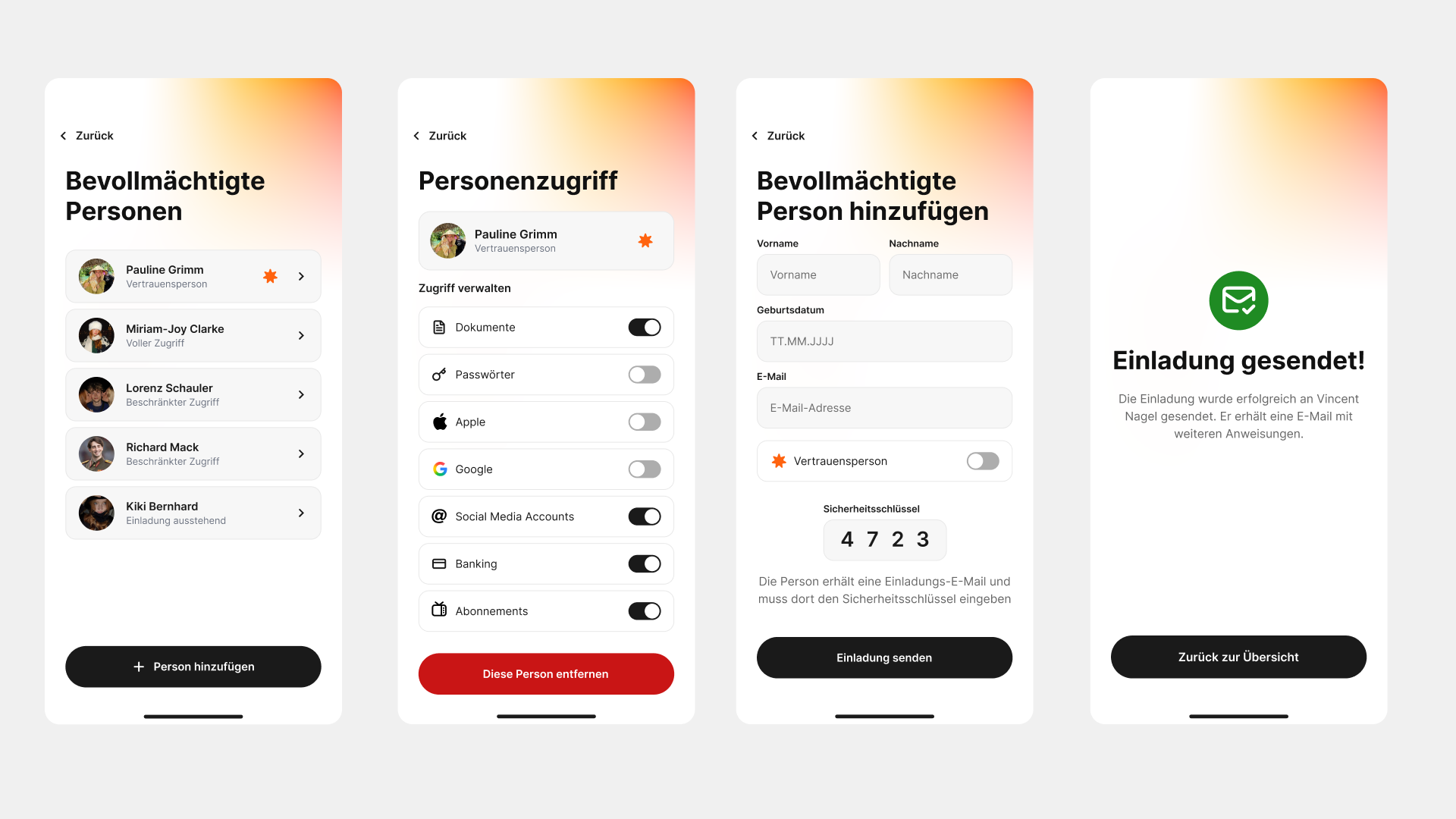
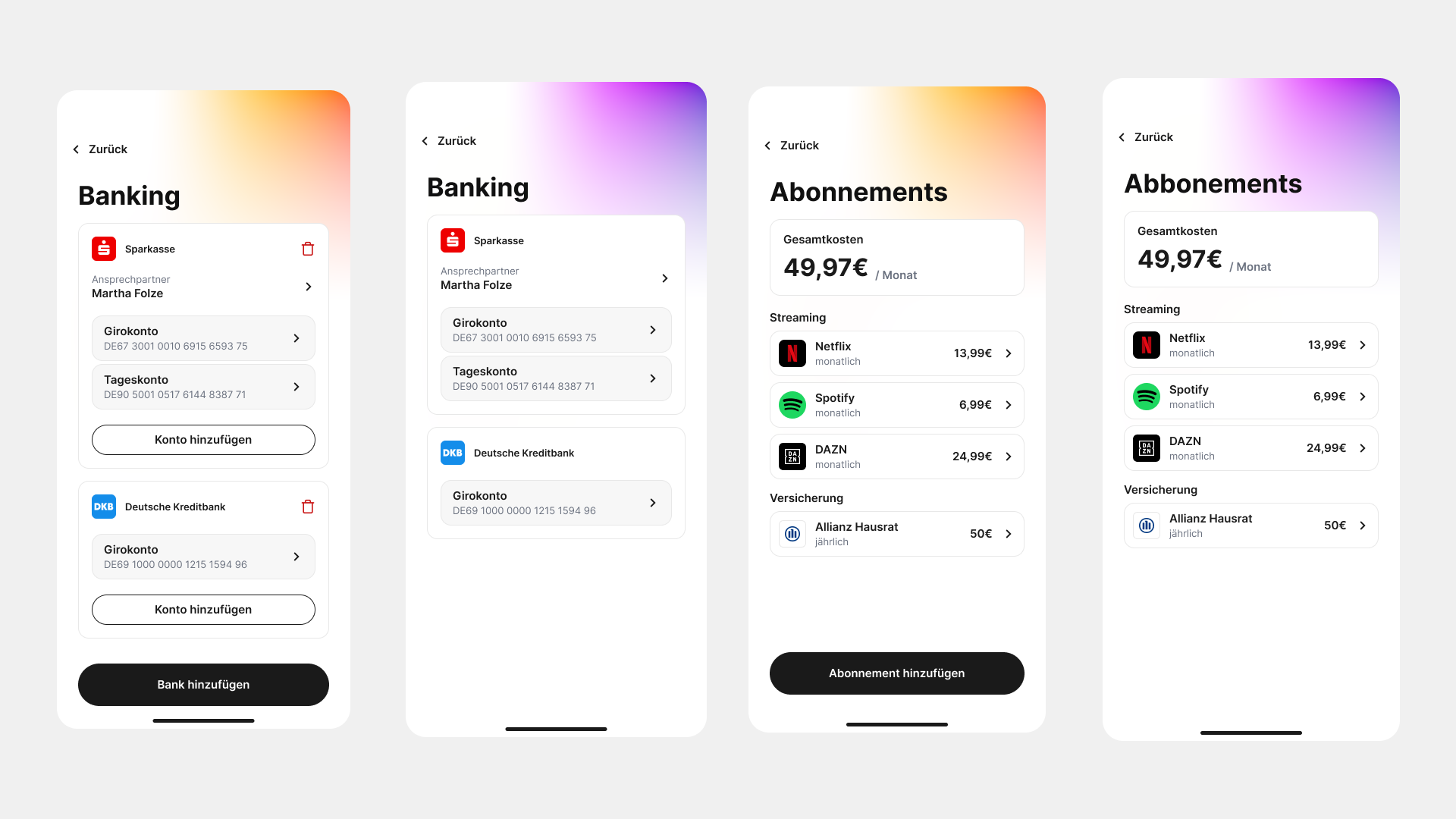
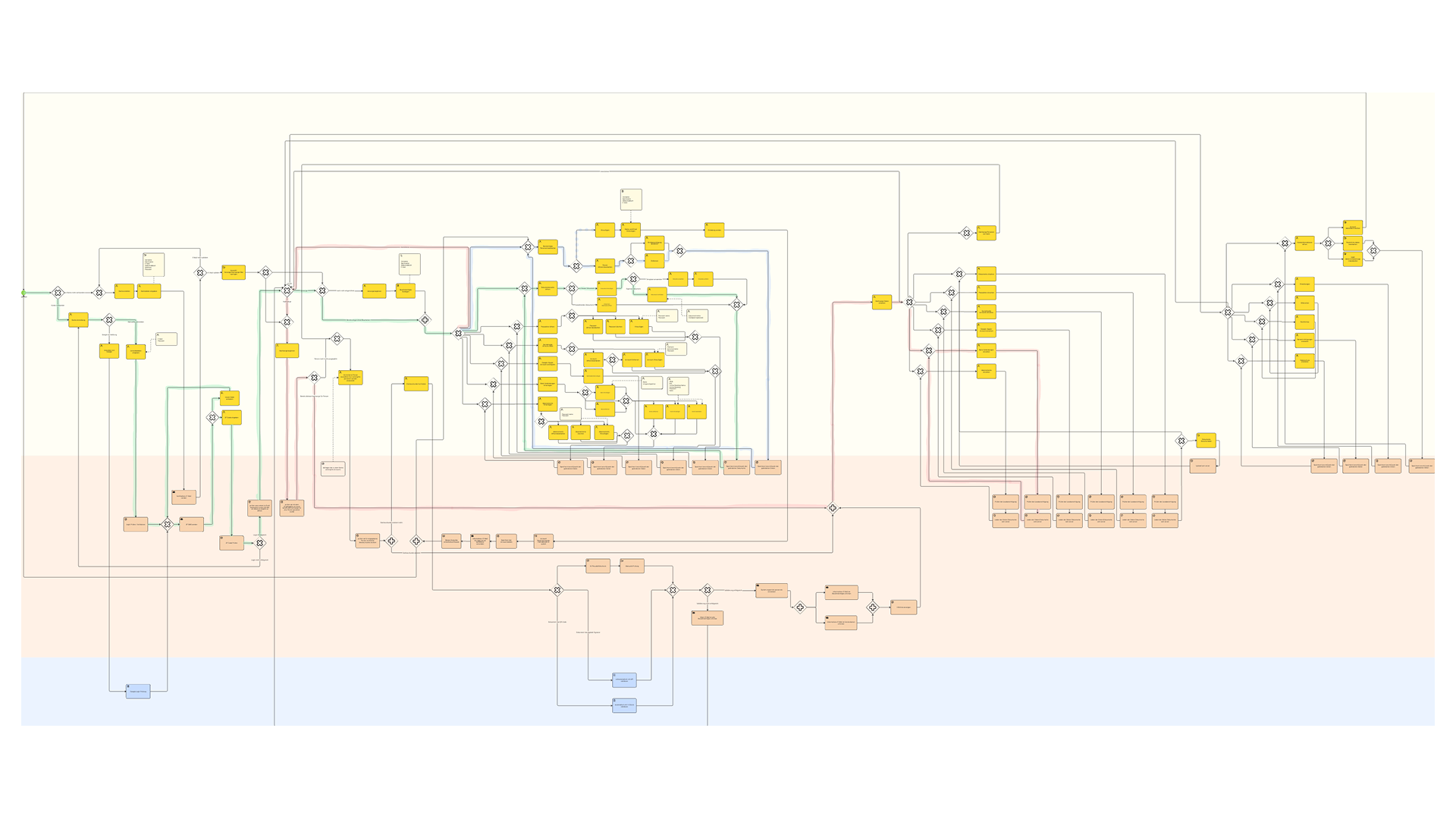
The primary obstacle lay in the extreme complexity of legal frameworks and access control logic (e.g., staggered access rights for banking connections, subscriptions, and private files). Furthermore, process analysis revealed that full automation is completely impossible due to mandatory legal constraints. The challenge was therefore to structure a highly manual, bureaucratic, and stressful process in a way that remains accessible to laypersons and provides genuine operational relief.
Concept & Implementation
The development workflow was built on a deep functional analysis using BPMN diagrams and SIPOC methodologies to cleanly align the interfaces between frontend, backend, and project management. In parallel, a cohesive design system was established in Figma and translated into an interactive high-fidelity prototype. The final system elegantly resolves granular permission management, offering family members structured and invaluable guidance when they need it most.
Showroom
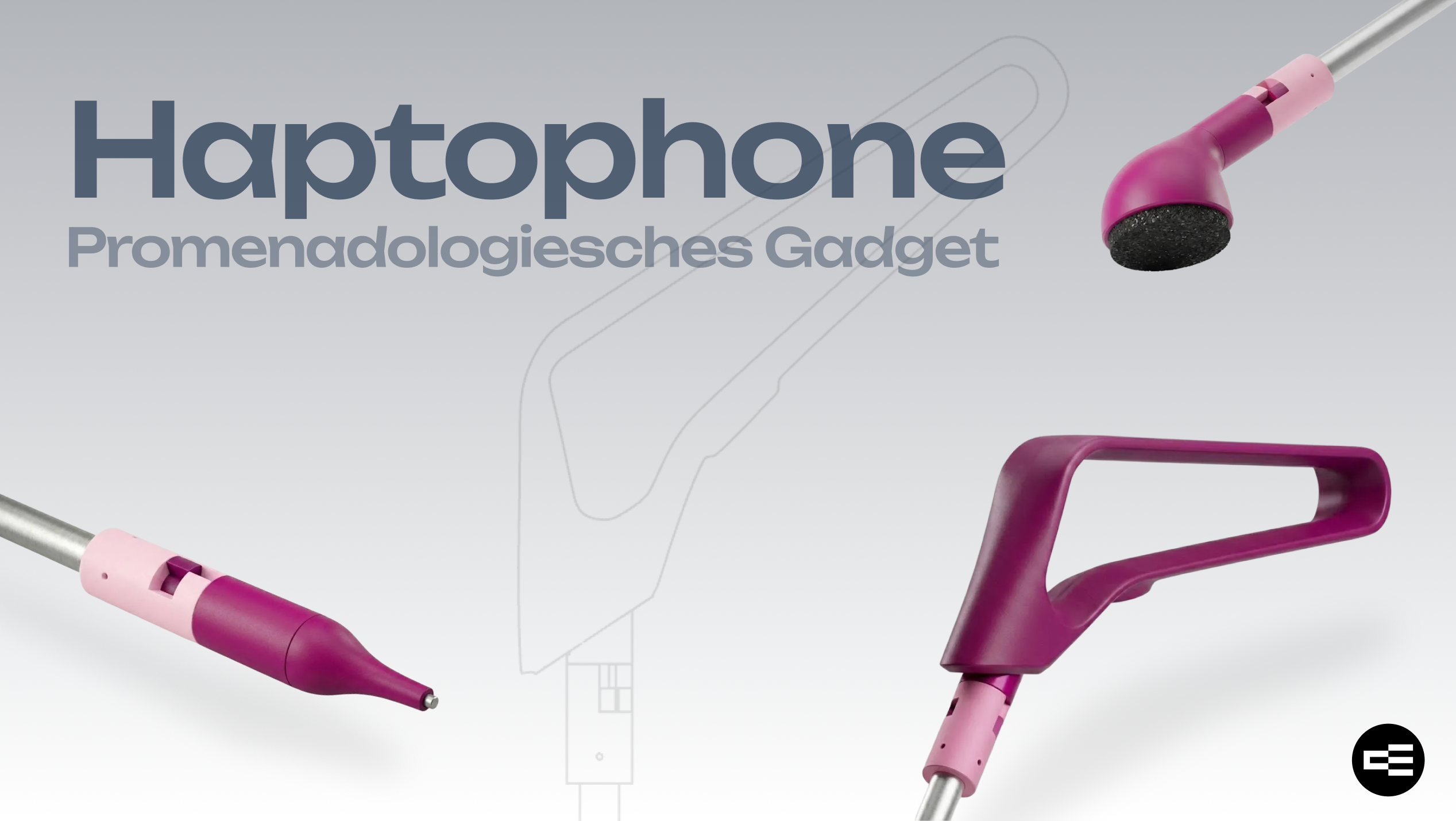
Haptophone
Interactive installation translating vibrations into visual and auditory experiences
Overview
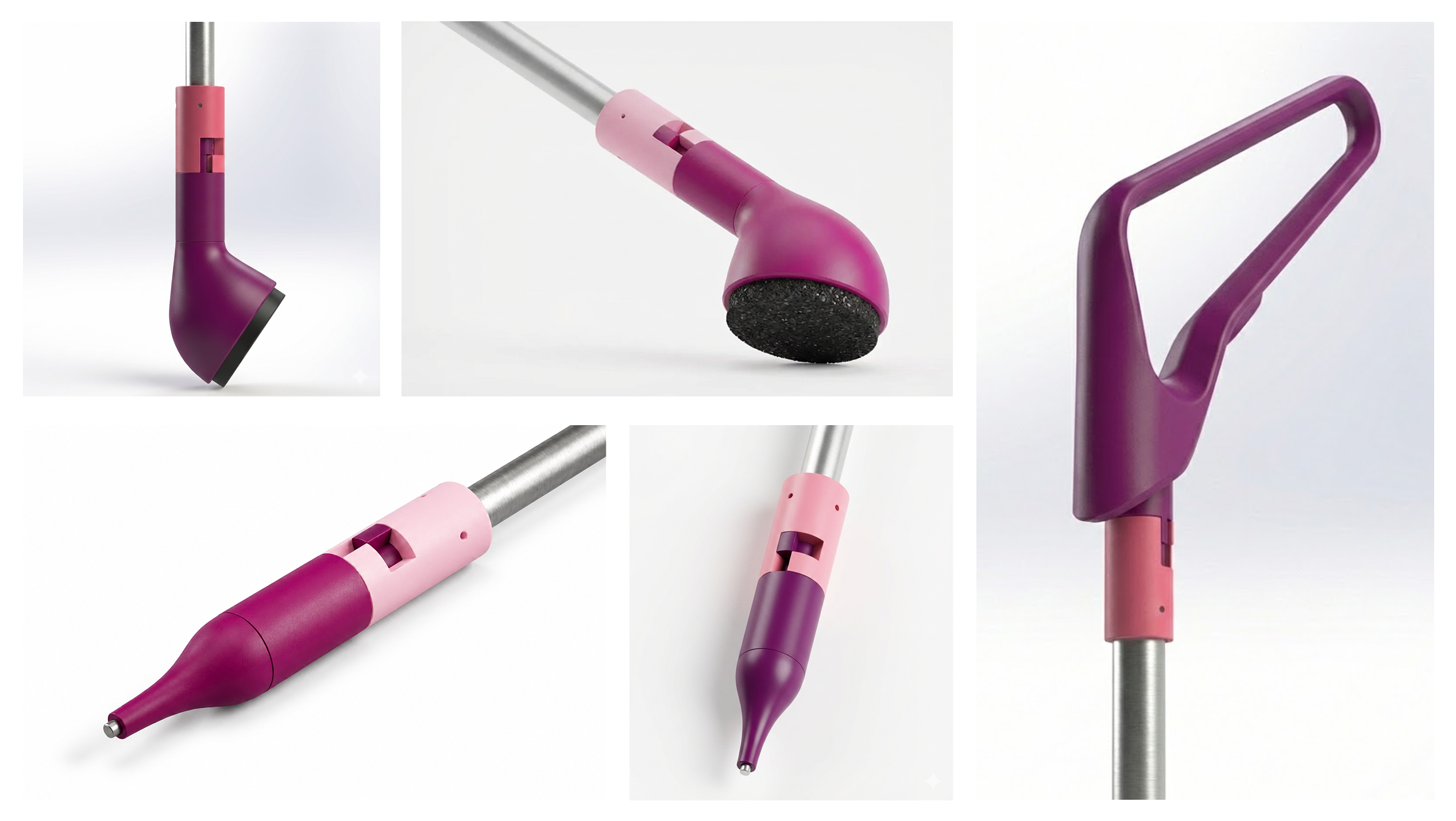
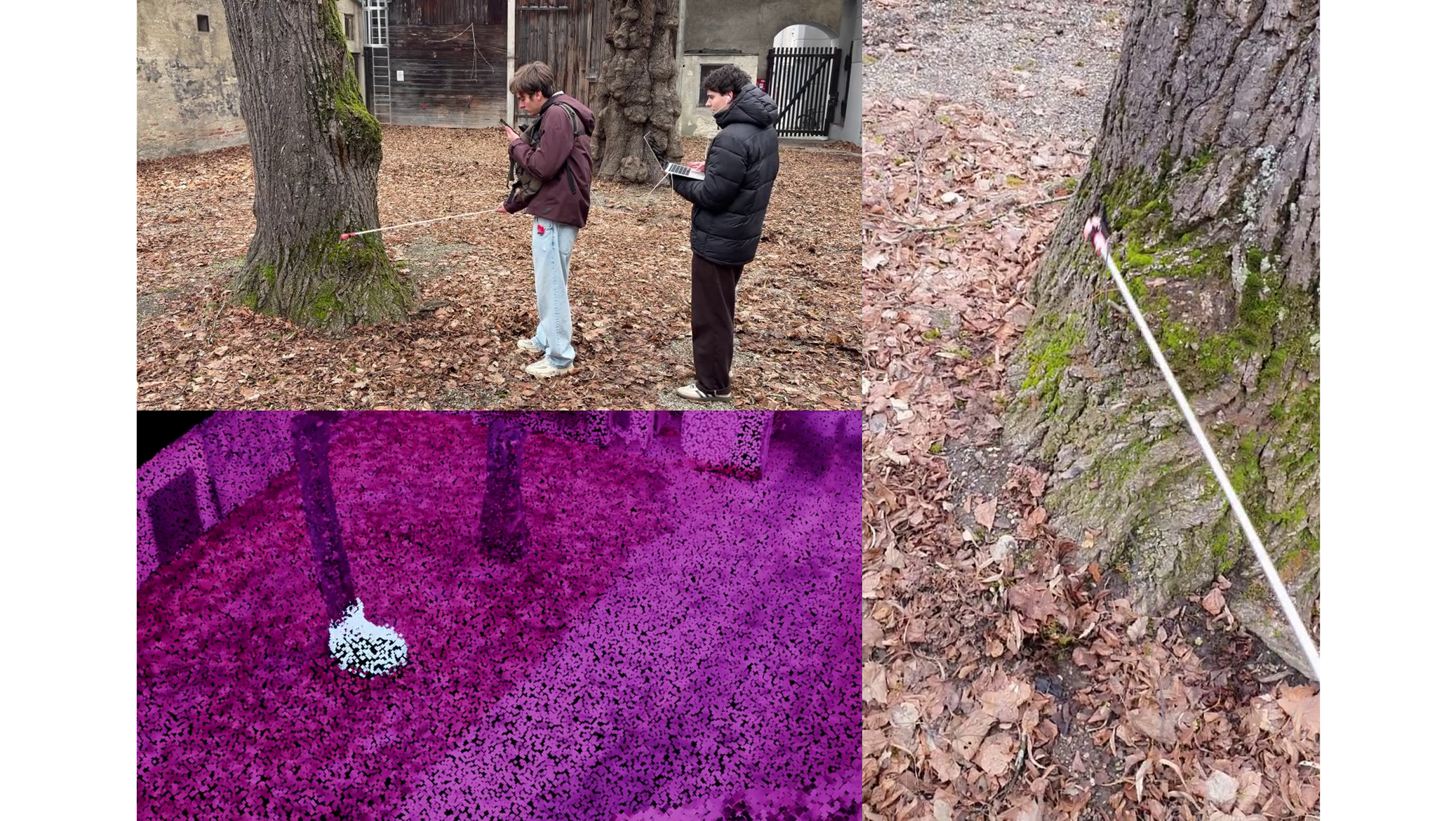
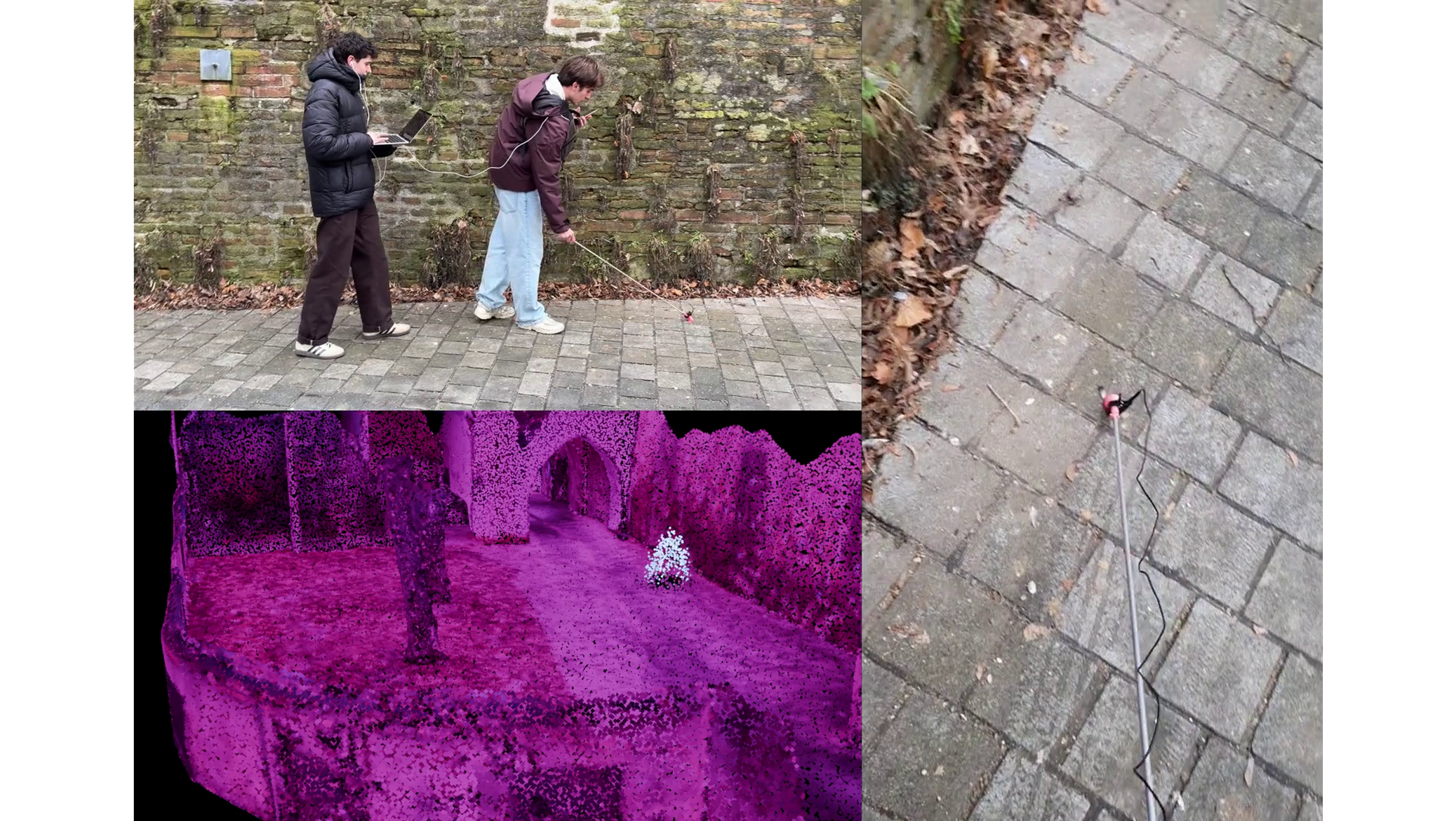
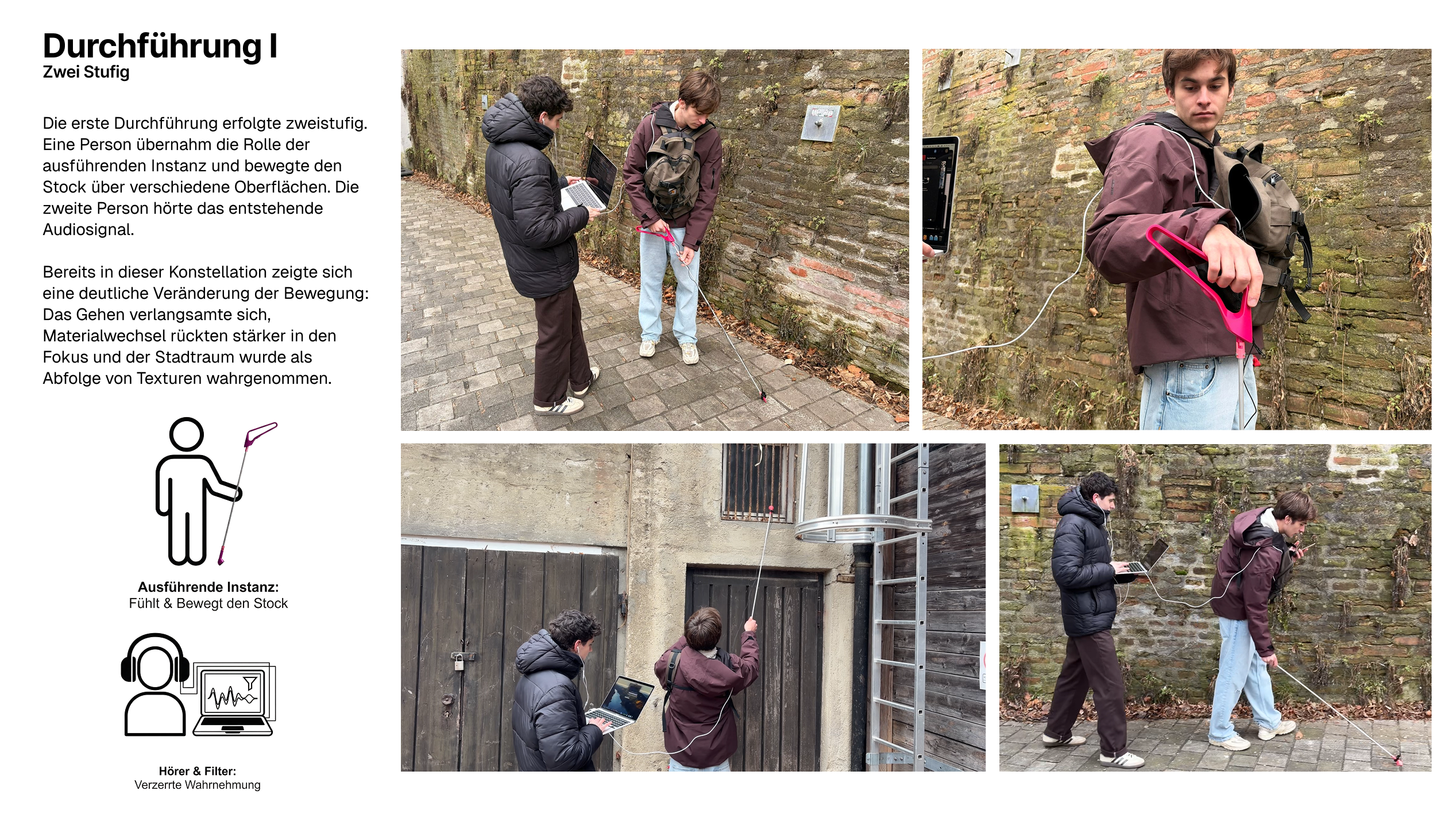
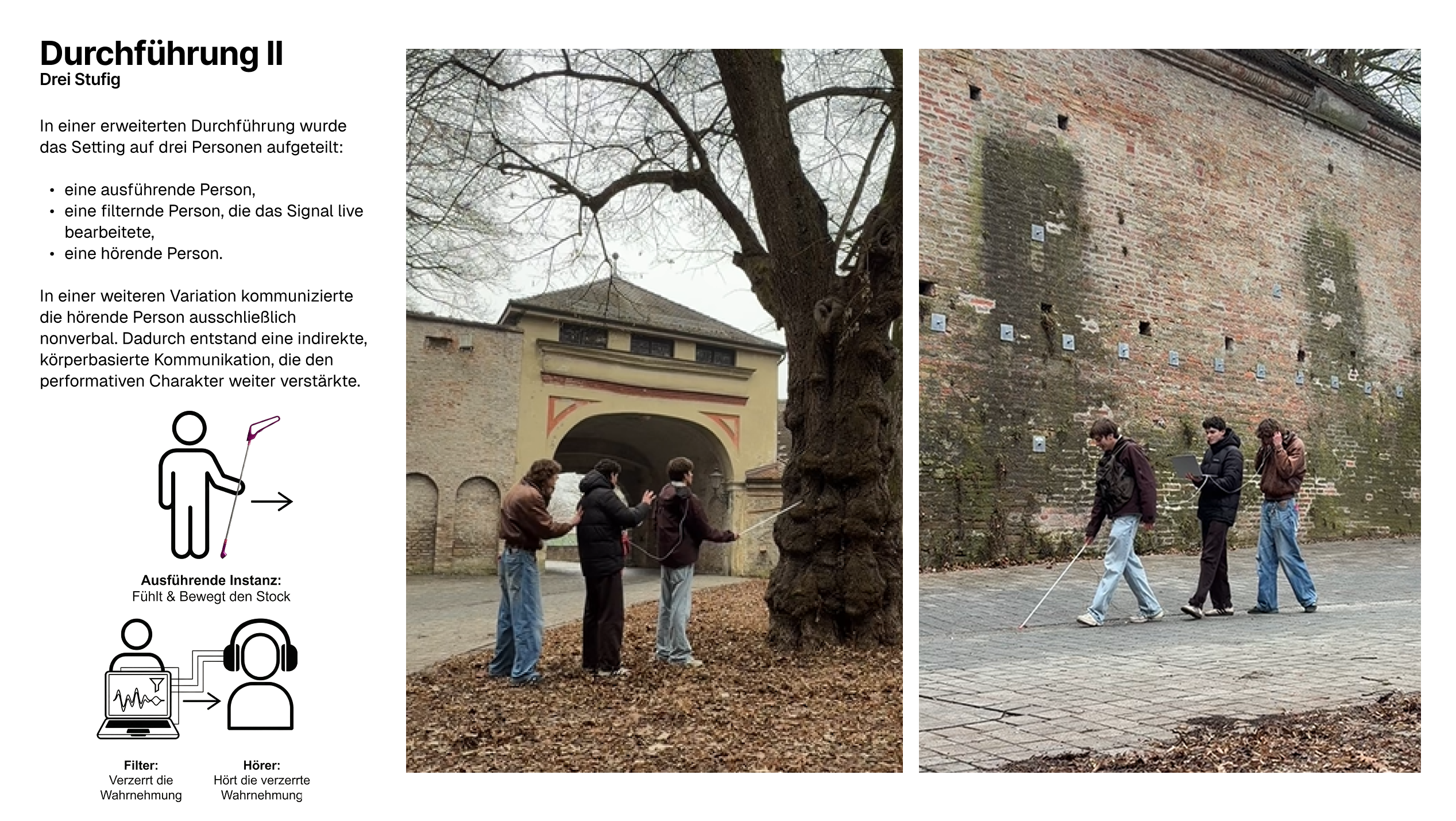
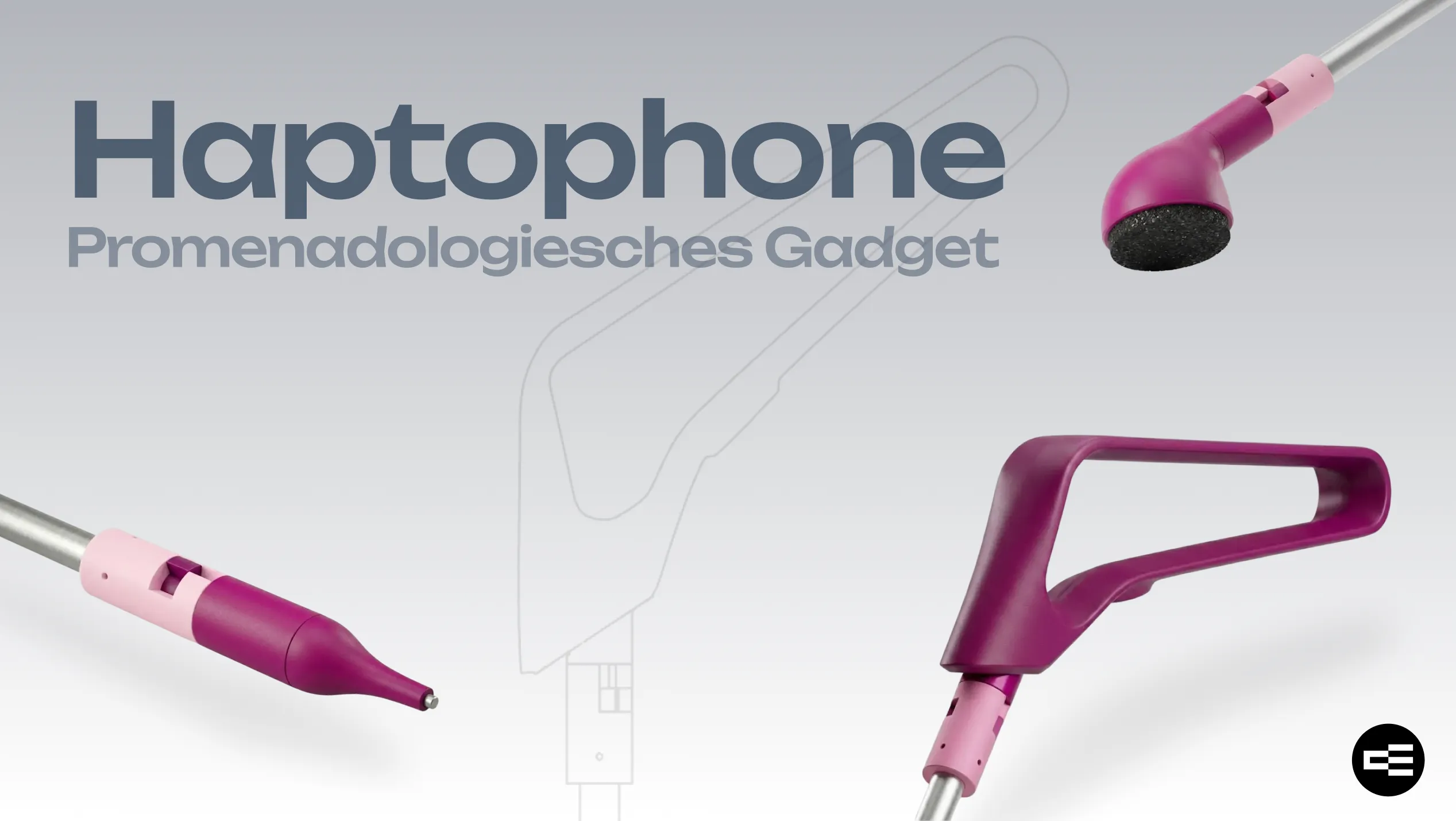
Haptophone is an experimental, modular tool for the artistic exploration of surfaces and spaces. Through movement, sound, and real-time visualization, a multisensory experience emerges between the physical and digital space.
Challenge
The challenge was to combine technical systems and intuitive interaction. Particularly important was a playful approach that remains open and directly accessible despite complex audio and visualization processes.
Concept & Implementation
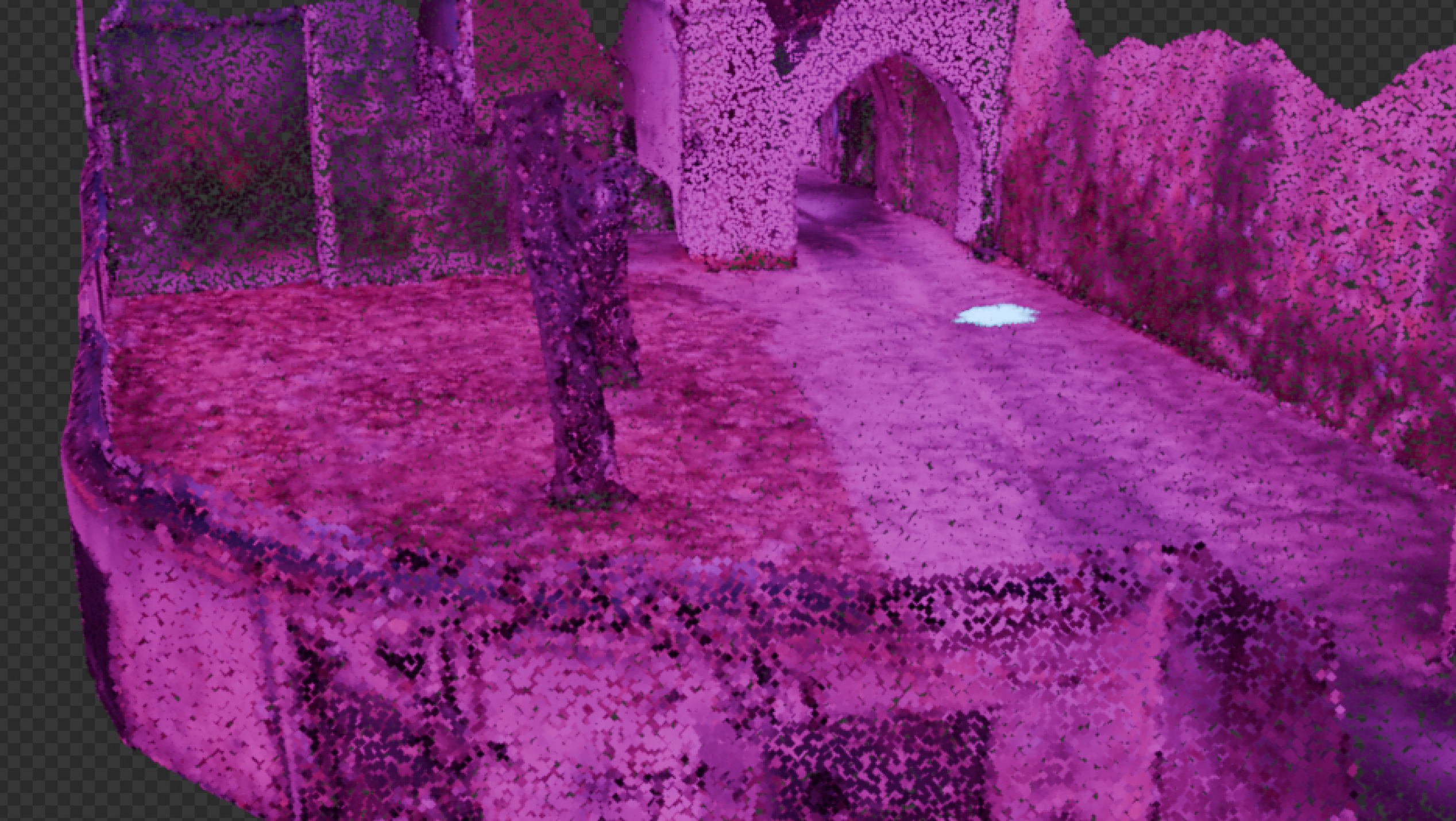
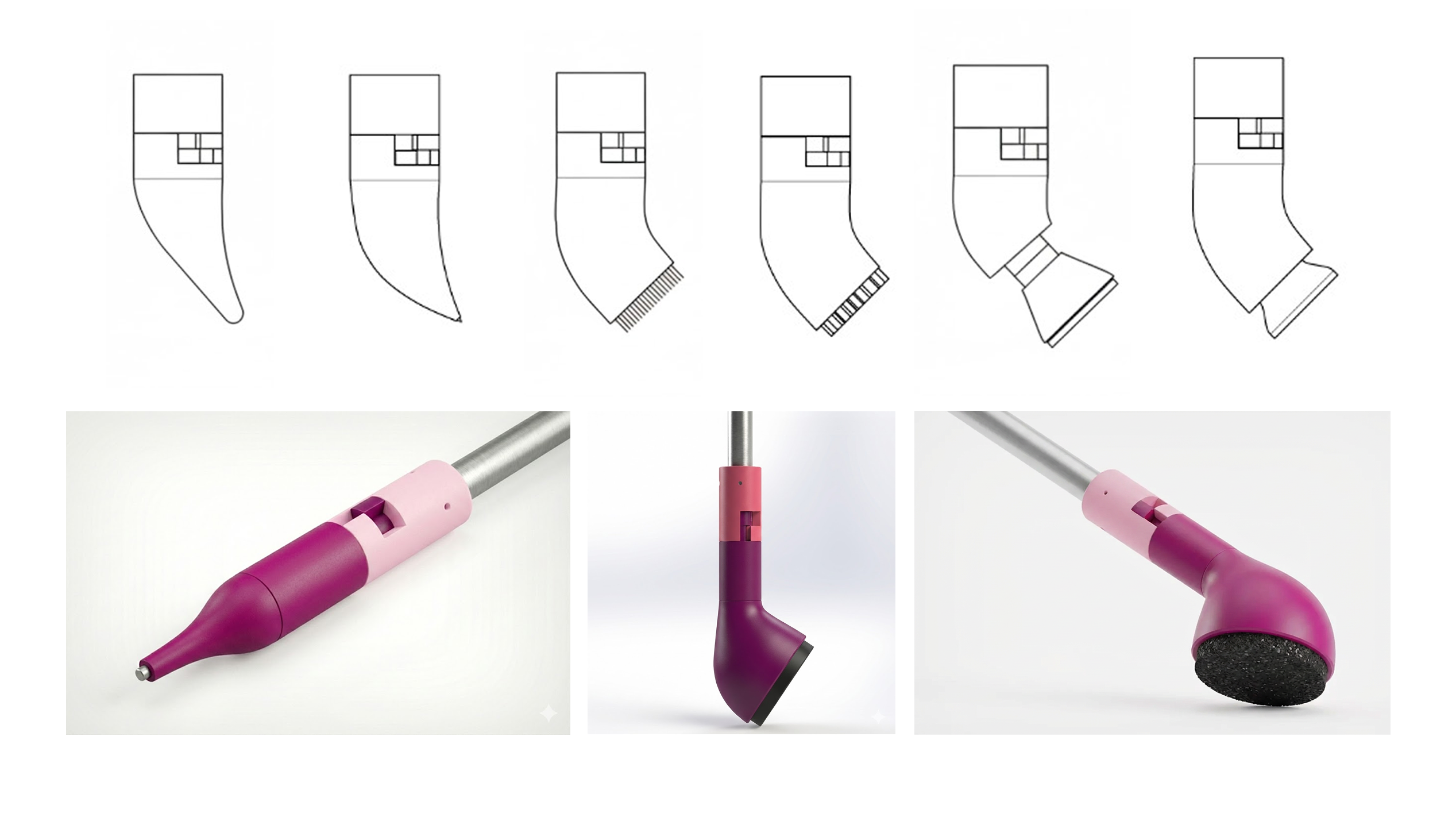
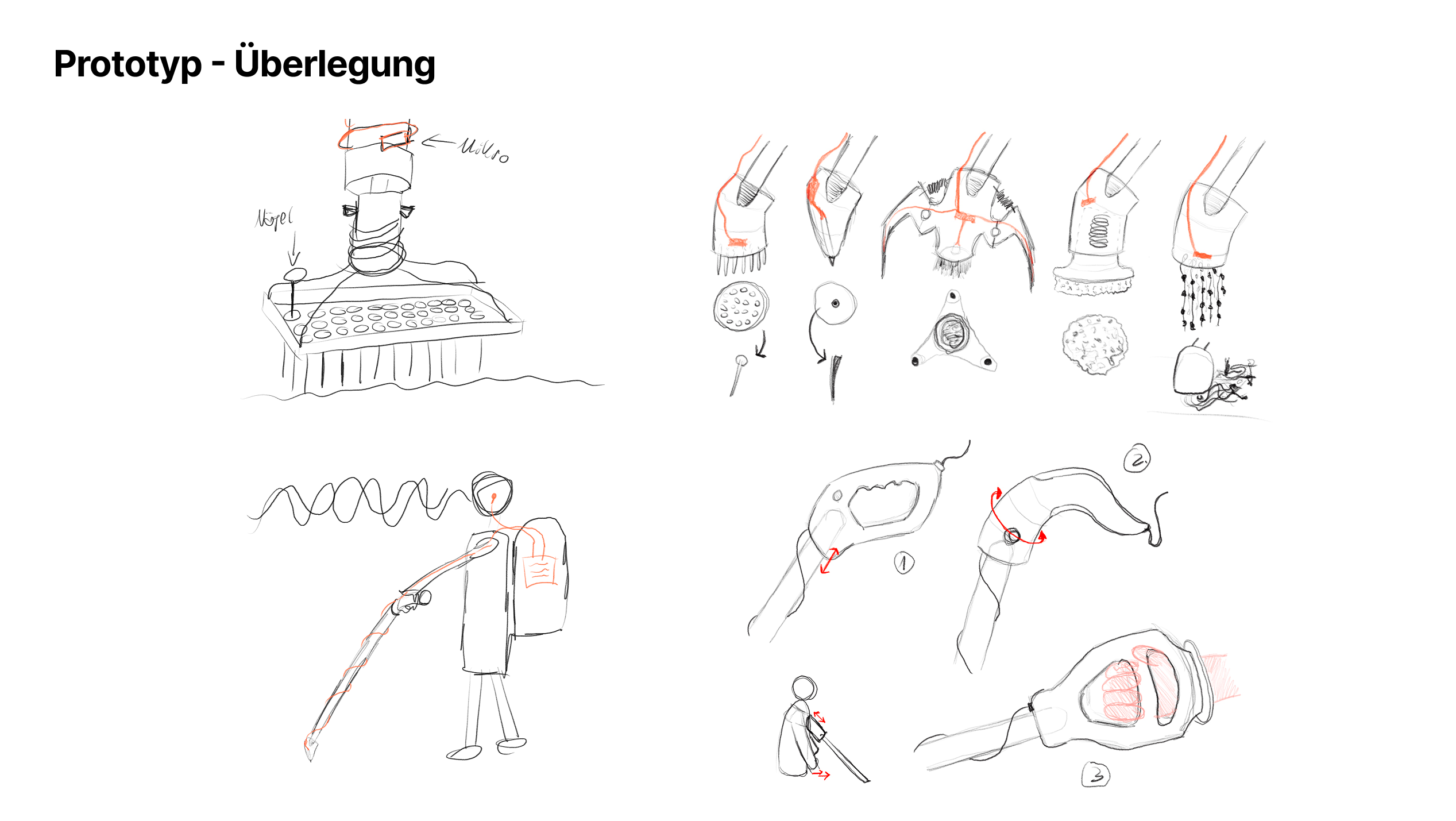
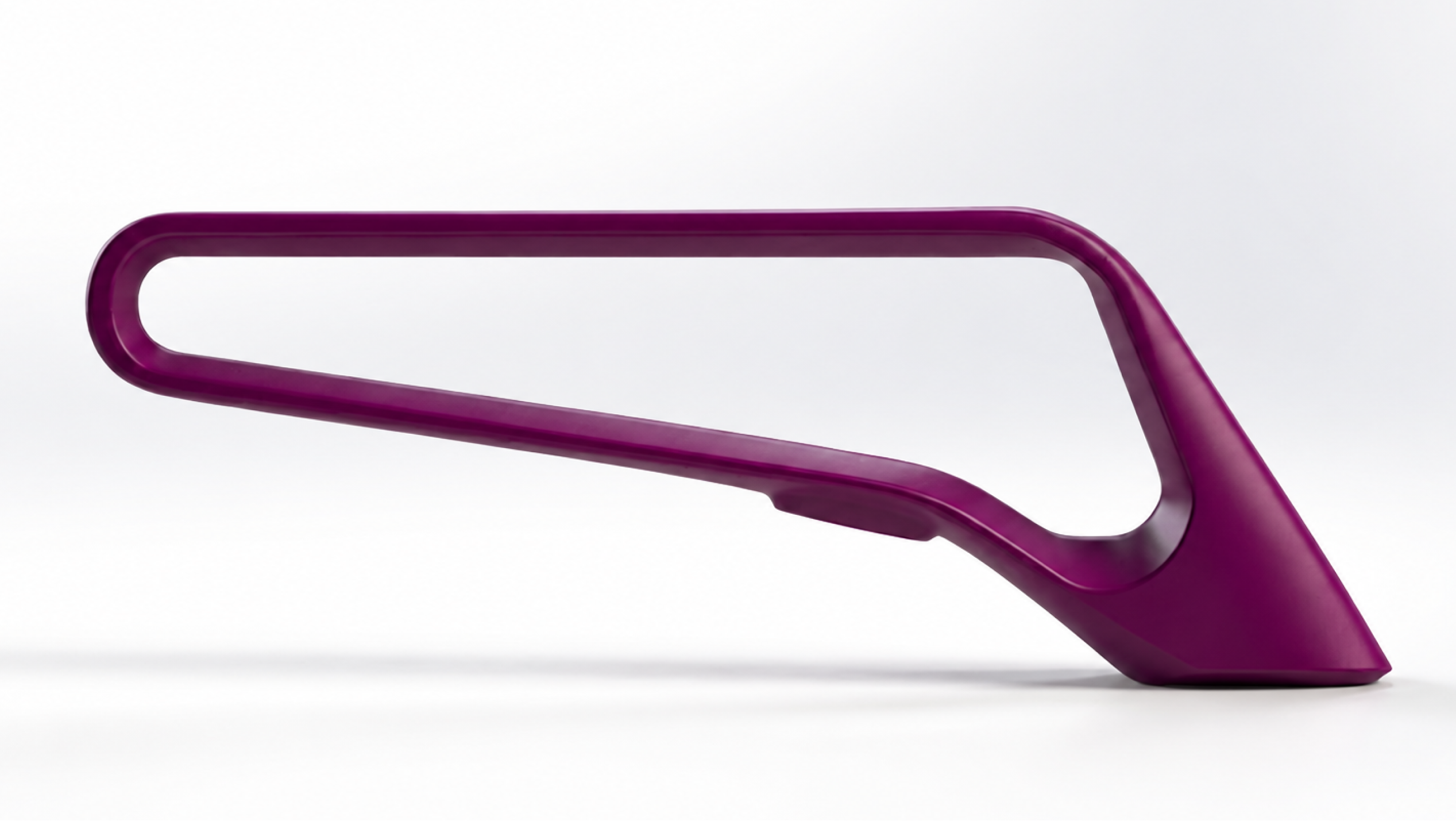
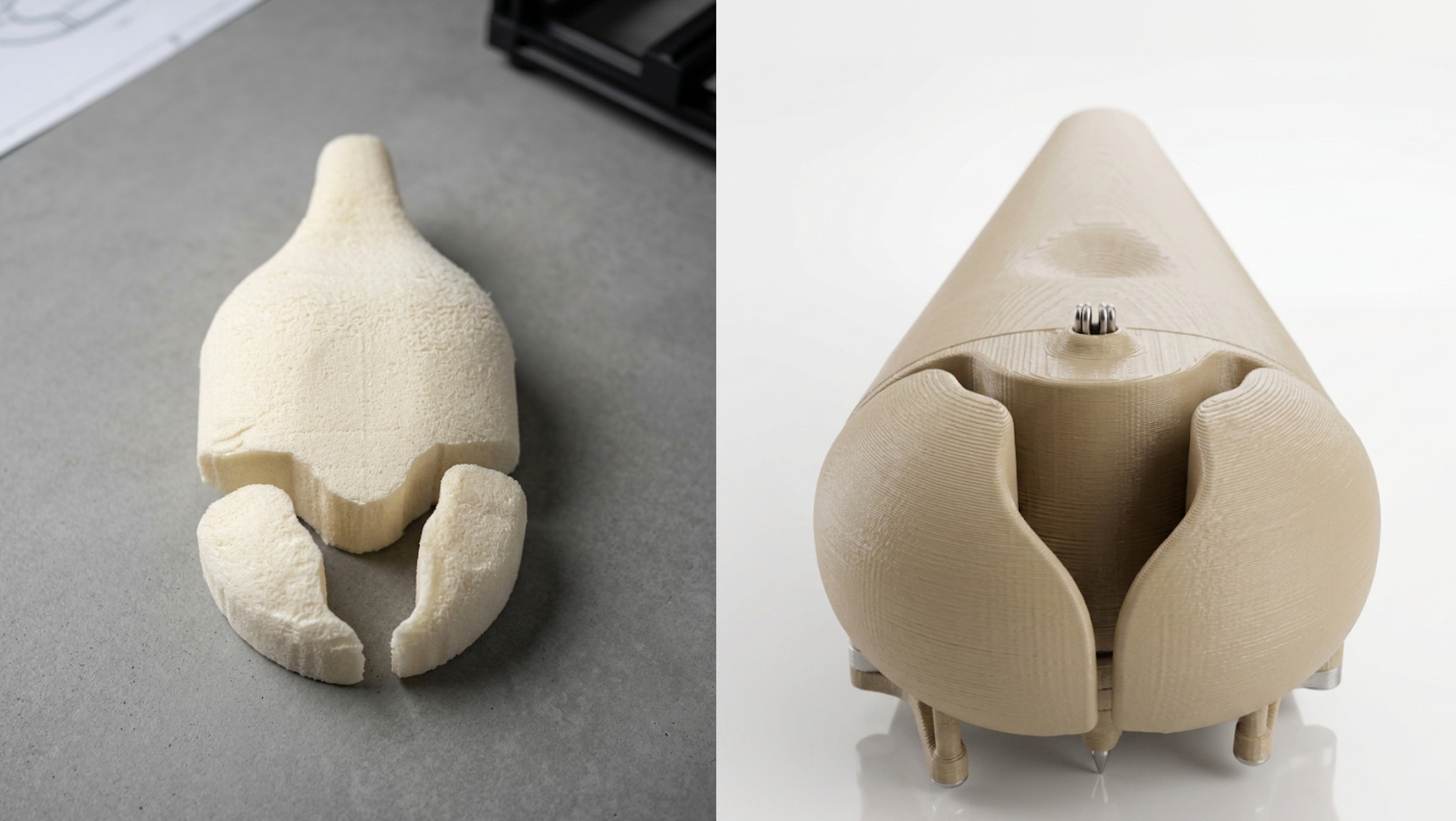
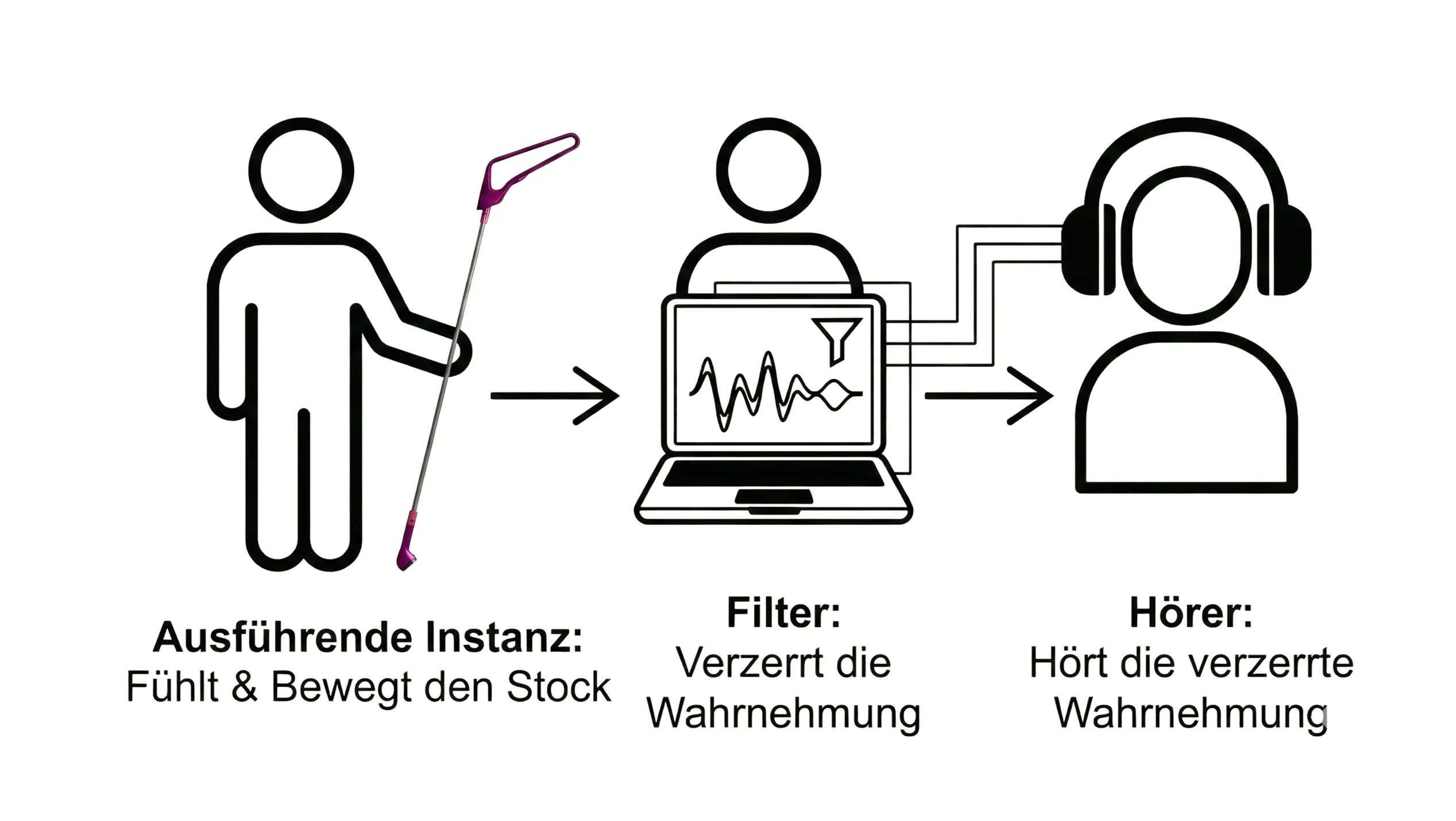
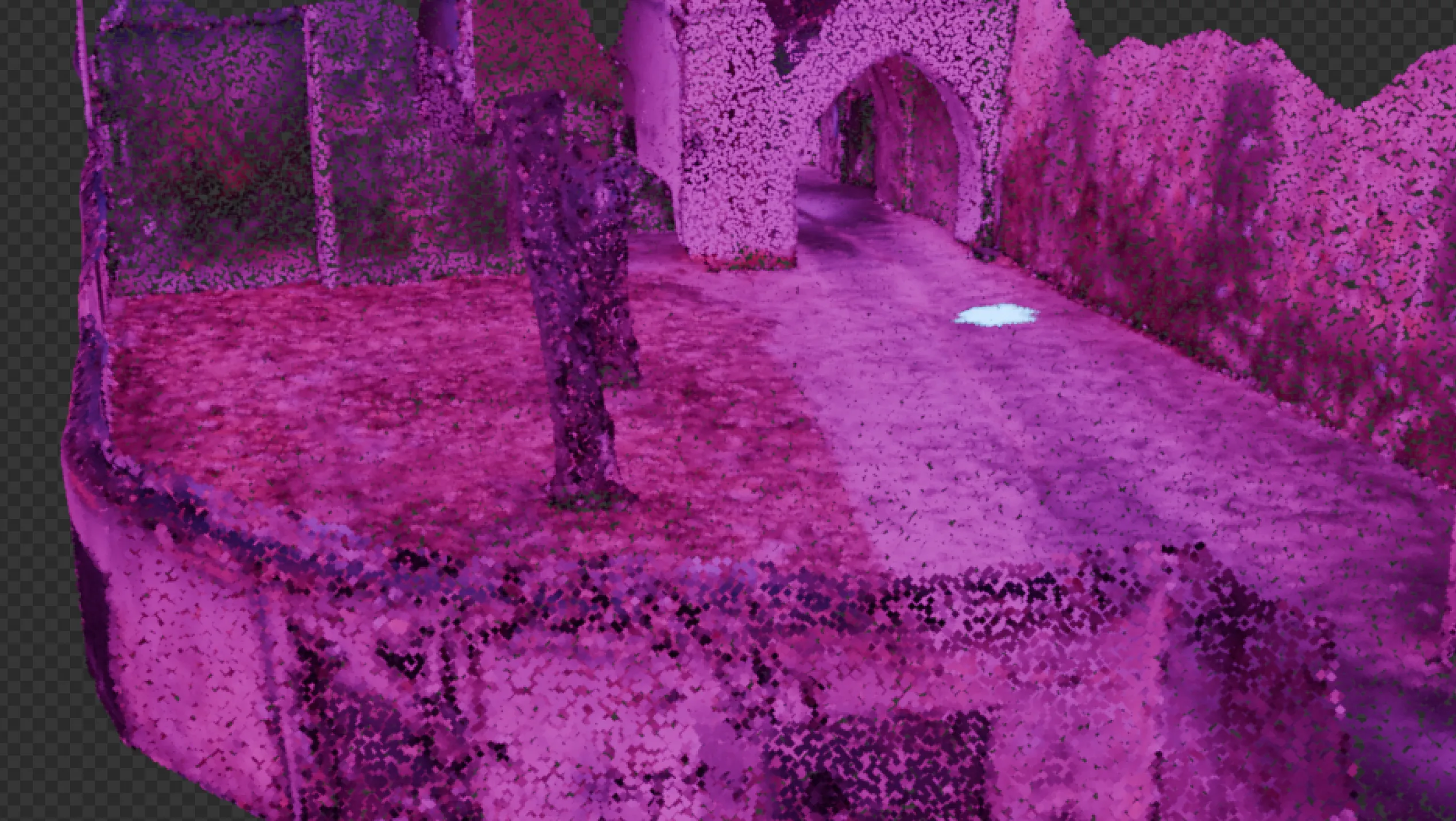
A modular rod system with interchangeable attachments captures vibrations and material structures from the environment via a contact microphone. The signal is processed audiovisually in real time: on one hand through distorted sound output via headphones, and on the other through the dynamic manipulation of a point cloud visualization within a Blender workflow.
Showroom